
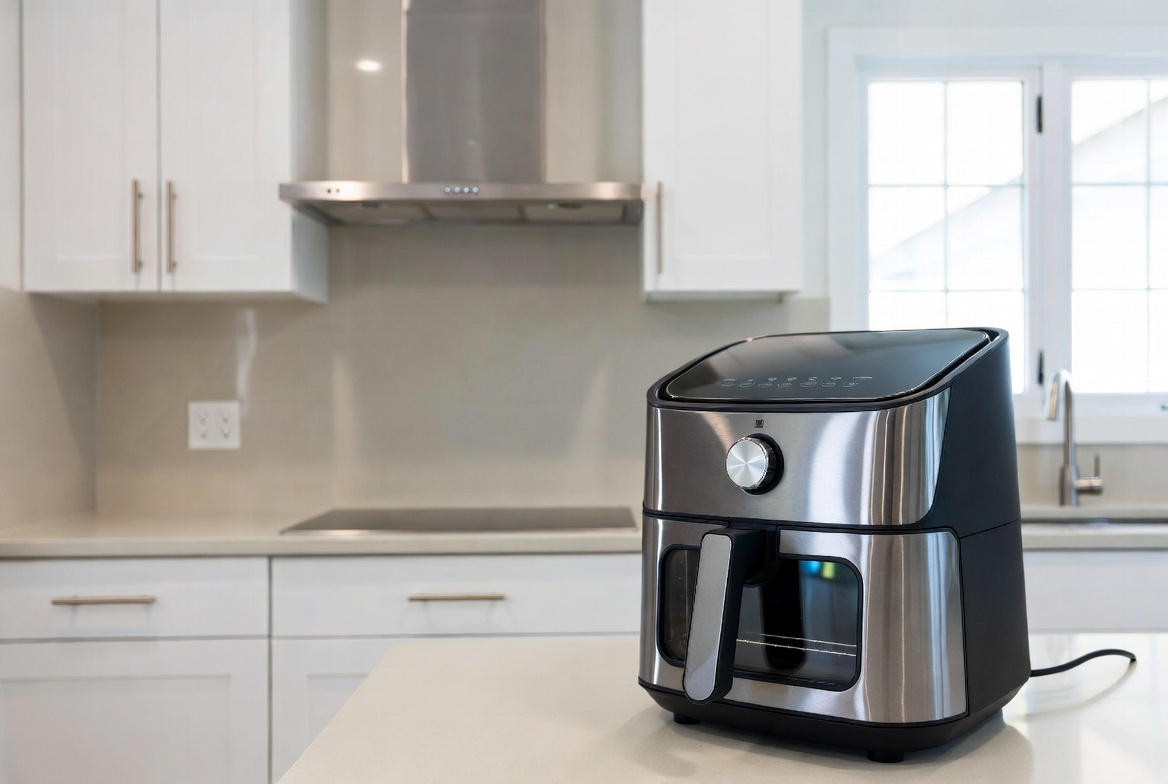
How Long to Cook in Air Fryer vs Oven: Easy Time Guide
Have you ever stood in your kitchen wondering whether you should pull out your trusty oven or reach for that shiny air fryer sitting on your countertop? You’re definitely not alone. The rise of air fryers has left many home cooks confused about cooking times, temperatures, and which appliance to use for different dishes. I’ve been there too, staring at a recipe written for a traditional oven and scratching my head about how to adapt it for my air fryer.
The truth is, understanding the differences between air fryer and oven cooking times can transform your kitchen experience and help you prepare meals faster without sacrificing quality. Let me walk you through everything you need to know about this modern cooking dilemma.
Understanding How Air Fryers and Ovens Work Differently
Before we dive into specific cooking times, let’s talk about why these two appliances cook food so differently. Think of an air fryer as a compact, high-speed convection machine that circulates extremely hot air around your food at rapid speeds. An oven, on the other hand, heats food more gradually from multiple directions, typically using heating elements at the top and bottom.
The Air Fryer Advantage
Air fryers are incredibly efficient at their job. They heat up faster than traditional ovens, reaching temperature in just two to three minutes. The rapid air circulation means your food cooks more evenly and often faster than it would in a conventional oven. This is why you’ll frequently hear about air fryers being a game-changer for busy households.
How Traditional Ovens Operate
Traditional ovens take longer to preheat, sometimes ten to fifteen minutes or more depending on the model. They rely on thermal radiation and convection to cook your food. While they’re slower, they offer more space and can handle larger quantities of food simultaneously.
The Golden Rule: Temperature and Time Conversion
Here’s the most important thing you need to know: air fryers typically require lower temperatures and shorter cooking times compared to traditional ovens. Generally speaking, you should reduce the oven temperature by about 25 degrees Fahrenheit when switching to an air fryer, and decrease the cooking time by roughly 20 to 30 percent.
Why Temperature Matters
The reason we lower temperatures isn’t because air fryers are weaker. Actually, it’s the opposite. Air fryers are more efficient at transferring heat to your food. If you use the exact same temperature as an oven recipe, your air fryer will cook your food faster and potentially burn the outside before the inside is cooked through.
Practical Temperature Conversion Examples
- Oven temperature of 400°F becomes 375°F in an air fryer
- Oven temperature of 375°F becomes 350°F in an air fryer
- Oven temperature of 425°F becomes 400°F in an air fryer
- Oven temperature of 350°F becomes 325°F in an air fryer
Cooking Times for Popular Foods: Air Fryer vs Oven
Chicken Dishes
Chicken is one of the most popular foods people cook in air fryers. A chicken breast that takes about 20 to 25 minutes in a 375°F oven will take only about 12 to 15 minutes in a 350°F air fryer. For chicken thighs, expect about 15 to 20 minutes in an air fryer versus 25 to 30 minutes in an oven. Whole chickens are different though—they actually work better in a traditional oven because they need more space and more even heat distribution from all angles.
French Fries and Frozen Potato Products
This is where air fryers absolutely shine. Frozen french fries that take 20 to 25 minutes at 400°F in an oven will be done in just 8 to 12 minutes at 375°F in an air fryer. Sweet potato fries follow a similar pattern, becoming crispy and delicious in about half the time. The high-speed air circulation creates that perfect golden texture without deep frying.
Vegetables and Roasted Sides
Roasted vegetables are fantastic in air fryers. Broccoli that normally takes 15 to 20 minutes at 400°F in an oven cooks in just 8 to 10 minutes at 375°F in an air fryer. Brussels sprouts need about 10 to 15 minutes in an air fryer compared to 20 to 25 minutes in an oven. The key is to shake or stir them halfway through cooking in the air fryer to ensure even browning.
Baked Goods and Pastries
This is where things get tricky. Baked goods often don’t transition as smoothly from oven to air fryer. Cookies, cakes, and other baked items usually work better in a traditional oven where the heat is more distributed and gentle. However, pastries and items that benefit from crispy exteriors, like croissants or puff pastry applications, can work well in air fryers at reduced temperatures and times, usually about 20 to 30 percent less than the original recipe calls for.
Fish and Seafood
Delicate items like salmon fillets take about 10 to 12 minutes at 350°F in an air fryer, compared to 12 to 15 minutes at 375°F in an oven. Shrimp is even faster, needing only 5 to 7 minutes in an air fryer. Cod, halibut, and other white fish typically need 8 to 10 minutes in an air fryer.
Pork and Beef Cuts
Pork chops that would take 12 to 16 minutes at 375°F in an oven need only 8 to 10 minutes at 350°F in an air fryer. Beef steaks follow a similar pattern. Thicker cuts like a tenderloin need more consideration—a two-inch thick steak might take 12 to 14 minutes in an air fryer at 350°F versus 15 to 18 minutes in an oven at 375°F, depending on how you like your meat cooked.
Creating a Helpful Conversion Chart for Your Kitchen
Let me break down some common foods with their specific cooking times so you have a quick reference guide in your kitchen.
Frozen Foods Comparison
- Chicken nuggets: 8-10 minutes (air fryer) vs 15-18 minutes (oven)
- Fish fillets: 10-12 minutes (air fryer) vs 12-15 minutes (oven)
- Frozen fries: 8-12 minutes (air fryer) vs 20-25 minutes (oven)
- Onion rings: 8-10 minutes (air fryer) vs 15-18 minutes (oven)
- Frozen pizza rolls: 6-8 minutes (air fryer) vs 10-12 minutes (oven)
Fresh Protein Comparison
- Chicken breast: 12-15 minutes at 350°F (air fryer) vs 20-25 minutes at 375°F (oven)
- Pork chops: 8-10 minutes at 350°F (air fryer) vs 12-16 minutes at 375°F (oven)
- Salmon fillet: 10-12 minutes at 350°F (air fryer) vs 12-15 minutes at 375°F (oven)
- Ground beef patties: 7-9 minutes at 350°F (air fryer) vs 10-13 minutes at 375°F (oven)
Vegetable Comparison
- Broccoli florets: 8-10 minutes at 375°F (air fryer) vs 15-20 minutes at 400°F (oven)
- Brussels sprouts: 10-15 minutes at 375°F (air fryer) vs 20-25 minutes at 400°F (oven)
- Asparagus: 5-7 minutes at 375°F (air fryer) vs 10-12 minutes at 400°F (oven)
- Zucchini slices: 6-8 minutes at 375°F (air fryer) vs 12-15 minutes at 400°F (oven)
Pro Tips for Successful Air Fryer Cooking
Don’t Skip the Preheat
Even though air fryers heat up quickly, preheating for just two to three minutes makes a significant difference in your results. It helps achieve that perfect golden exterior and ensures even cooking throughout.
Arrange Food Properly
Make sure food isn’t overcrowded in your air fryer basket. Items should be in a single layer when possible, or at least not stacked too heavily. The hot air needs to circulate around each piece of food, and overcrowding prevents this from happening effectively.
Shake and Stir Halfway Through
Many home cooks forget this step, but shaking the basket or stirring your food halfway through cooking ensures everything cooks evenly. This is especially important for items like fries, vegetables, and smaller pieces of meat.
Start Checking Early
Air fryers vary by model and brand. What takes 12 minutes in one air fryer might take 14 minutes in another. I recommend checking your food a minute or two before the suggested cooking time ends, especially when you’re trying a recipe for the first time.
Use Minimal Oil
Air fryers require very little oil compared to traditional cooking methods. Just a light spray or brush of oil can help achieve crispy results without the excess calories and fat.
When Should You Choose the Traditional Oven Instead?
Large Batch Cooking
If you’re cooking for a crowd or need to prepare multiple items simultaneously, a traditional oven is your friend. Air fryers have limited space, so if you’re cooking dinner for eight people, your oven will get the job done faster overall despite the longer cooking time per batch.
Delicate Baked Goods
Cakes, brownies, and other items that require gentle, even heating throughout perform better in a traditional oven. The intense heat of an air fryer can cause uneven browning or overbaking on the edges while the center remains underdone.
Items Requiring Specific Heat Distribution
Dishes like lasagna, casseroles, or gratins often benefit from bottom heat to get crispy bottoms while keeping the top from burning. Traditional ovens with their bottom heating elements handle this better than air fryers.
When You’re Cooking Whole Birds or Large Roasts
A whole chicken or a large beef roast simply won’t fit in most air fryers. Even if it does, the heat circulation might not be as effective for such large items. Stick with your conventional oven for these showstopping dishes.
The Accuracy Question: Are These Time Adjustments Exact?
I want to be honest with you here—these conversions are guidelines, not gospel. Various factors affect actual cooking times. Your specific air fryer model, the size and thickness of your food, whether items are frozen or fresh, and even your kitchen’s altitude can all play a role. The key is understanding the general principle: air fryers are faster and more intense, so go lower and shorter initially, then adjust based on your results.
Variables That Affect Cooking Time
- Air fryer brand and model variations
- Size and thickness of food items
- Whether food is frozen or at room temperature
- How much food is in the basket at once
- Your altitude and local atmospheric pressure
- Age and condition of your air fryer heating element
Building Your Confidence in the Kitchen
The best way to master cooking times between these two appliances is through experience. Start with one or two recipes you know well, convert them using the guidelines I’ve shared, and pay attention to the results. Keep notes about what works and what needs adjustment. Before long, you’ll develop an intuition about how to adapt any recipe to your air fryer.
Creating Your Personal Recipe Notes
I encourage you to write down successful conversions. When you make a recipe from a cookbook that’s designed for traditional ovens, jot down what temperature and time you used in your air fryer, and whether it turned out well. This personalized guide becomes invaluable over time.
Conclusion
Understanding how long to cook in an air fryer versus an oven doesn’t have to be complicated. Remember the basic principle: reduce the temperature by 25 degrees Fahrenheit and cut the cooking time by 20 to 30 percent when converting from oven to air fryer recipes. While this rule works for most foods, some items like delicate baked goods and large roasts still belong in a traditional oven.
The key to success is starting with these guidelines, checking your food earlier than you think you need to, and adjusting based on your results. Each air fryer is slightly different, and once you understand how yours performs, you’ll be able to confidently cook anything in it. You’ll likely find yourself reaching for your air fryer more and more as you discover how much time it saves and how deliciously crispy it makes your favorite foods.
Don’t be afraid to experiment. Cooking is both a science and an art, and the only way to truly master it is by getting into the kitchen and trying things out. Your family will appreciate the faster meals, and you’ll appreciate the convenience and efficiency of having two reliable cooking tools at your disposal.
Frequently Asked Questions
Can I use the exact same temperature in an air fryer as I would in a traditional oven?
While you technically can, it’s not recommended. Using the exact same temperature will likely result in food that’s cooked too quickly on the outside and potentially unevenly inside. The intense heat circulation in air fryers makes them much more efficient at transferring heat to your food. Reducing the temperature by 25 degrees Fahrenheit prevents over-browning and helps ensure your food cooks evenly throughout. You can experiment once you’re comfortable with your air fryer, but starting with the reduced temperature is always the safest approach.
Why does my air fryer cook some foods faster than others compared to the oven?
The difference in cooking speed depends on several factors, including the food’s density, moisture content, and thickness. Frozen items and foods with high

![5 Best Air Fryer for Crispy Food [In 2026]](https://homeunderstandable.com/wp-content/uploads/2026/03/5-Best-Air-Fryer-for-Crispy-Food-768x516.jpg)

![5 Best Air Fryer for a Small Kitchen [In 2026]](https://homeunderstandable.com/wp-content/uploads/2026/03/5-Best-Air-Fryer-for-a-Small-Kitchen.jpg)
![5 Best Air Fryer for Brussel Sprouts [In 2026]](https://homeunderstandable.com/wp-content/uploads/2026/03/5-Best-Air-Fryer-for-Brussel-Sprouts.jpg)