How Long in Air Fryer vs Oven: A Complete Cooking Time Comparison Guide
Have you ever stood in your kitchen wondering whether to pull out your air fryer or preheat your traditional oven? You’re not alone. This decision affects not just how long your dinner takes to hit the table, but also your energy bill and the texture of your food. Let me walk you through everything you need to know about cooking times between these two kitchen powerhouses.
Understanding How Air Fryers and Ovens Work Differently
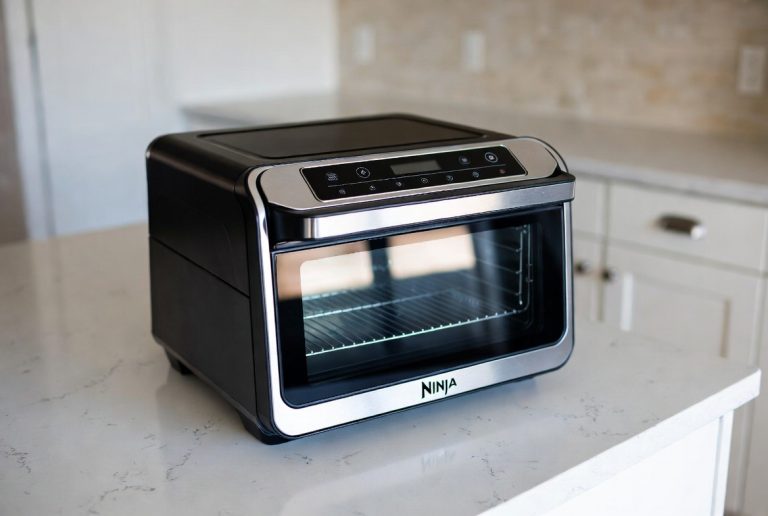
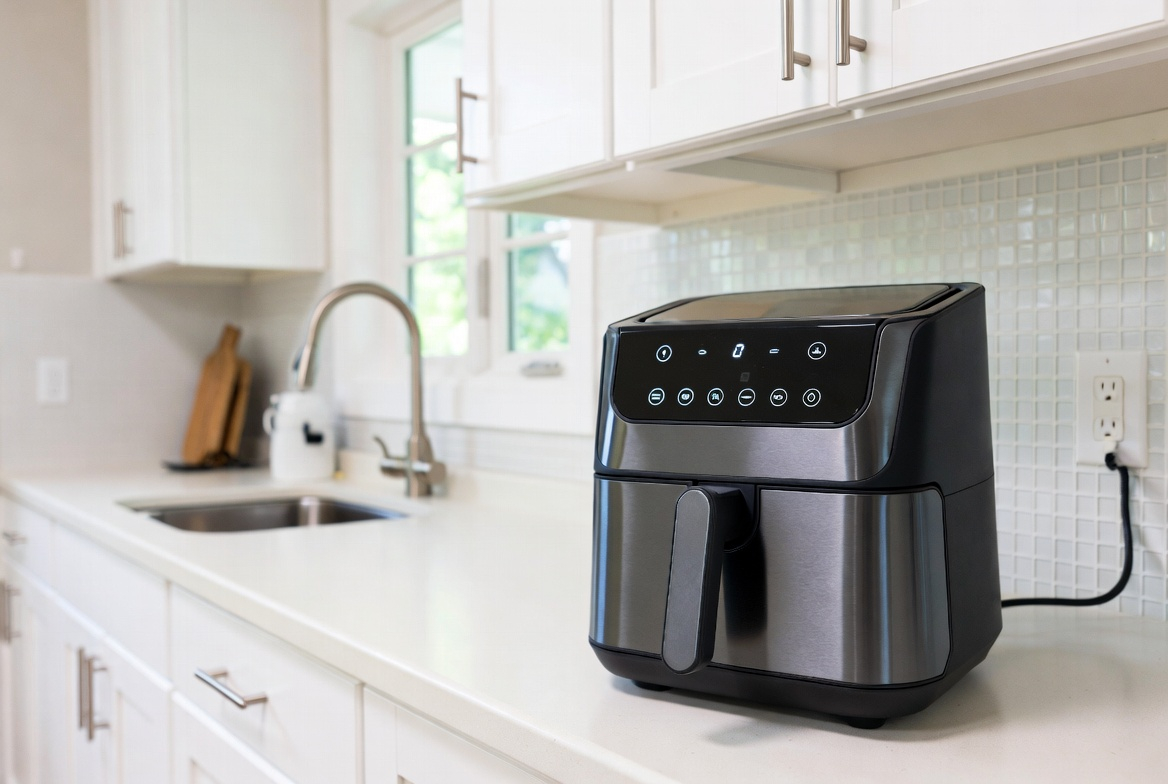
Before we dive into specific cooking times, let’s understand why these two appliances cook so differently. Think of an air fryer as a compact tornado of hot air, while a traditional oven is more like a steady, even heat chamber. An air fryer circulates superheated air at incredibly high speeds around your food, creating that crispy exterior we all crave. A conventional oven, on the other hand, heats food from multiple directions but doesn’t have that intense air circulation.
The Air Fryer Advantage
Air fryers typically reach cooking temperatures faster than ovens. Your air fryer can preheat in just 2 to 3 minutes, while most conventional ovens need 10 to 15 minutes to reach the desired temperature. This alone can shave significant time off your meal preparation. The intense circulating heat also means food cooks more evenly and often faster than in a traditional oven.
The Oven’s Strengths
Traditional ovens have larger cooking capacity, which matters when you’re feeding a crowd. They also distribute heat more gently and evenly, making them ideal for baked goods that require precise temperature control. Ovens are more forgiving when it comes to slight temperature fluctuations, whereas air fryers can be a bit pickier about food placement and arrangement.
Cooking Times for Common Foods: Air Fryer vs Oven
Let’s get into the nitty-gritty of actual cooking times. I’ll break down popular foods and show you exactly how long they take in each appliance.
Chicken Breast
This is a staple in most kitchens. In an air fryer at 375°F, boneless, skinless chicken breasts take about 12 to 15 minutes. In a conventional oven at 375°F, the same chicken breasts need 20 to 25 minutes. That’s a significant time difference—your air fryer cuts the cooking time roughly in half. The air fryer chicken also tends to have a slightly crispier exterior, though both methods produce juicy, fully cooked meat when done correctly.
French Fries
If you’re craving crispy fries, this is where air fryers truly shine. Frozen french fries cook in an air fryer in about 15 to 18 minutes at 400°F. In a traditional oven, those same frozen fries need 25 to 30 minutes at 425°F to achieve similar crispiness. Plus, air fryer fries often come out crispier with less oil, which is a win-win situation.
Salmon Fillets
Delicate fish like salmon cooks beautifully in both appliances. In an air fryer at 380°F, a salmon fillet takes 10 to 12 minutes. In a conventional oven at 400°F, salmon needs about 12 to 15 minutes. The time difference is smaller here because fish doesn’t benefit as much from intense air circulation as other proteins do. Both methods produce moist, flaky salmon when cooked properly.
Vegetables and Roasted Sides
Roasted vegetables cook faster in an air fryer due to that intense heat circulation. Broccoli, carrots, and bell peppers take about 12 to 15 minutes in an air fryer at 400°F, compared to 18 to 22 minutes in a conventional oven at the same temperature. However, some people prefer oven-roasted vegetables because the larger cooking area allows for better spacing and more even browning on all sides.
Frozen Pizza
A frozen pizza cooks in an air fryer in approximately 10 to 12 minutes at 400°F. The same pizza in a conventional oven takes 18 to 20 minutes at the manufacturer’s recommended temperature. Air fryer pizza tends to have a crispier crust, though some people argue it doesn’t brown quite as evenly as oven-cooked pizza.
Baked Potatoes
Medium-sized baked potatoes take about 30 to 35 minutes in an air fryer at 400°F. In a conventional oven at 400°F, they need 45 to 60 minutes depending on size. Here again, the air fryer cuts nearly half the cooking time. The air fryer potato skin gets slightly crispier, though both methods produce tender insides when cooked through.
Temperature Conversion: From Oven to Air Fryer
One of the most confusing aspects of switching between appliances is adjusting temperatures. Air fryers cook hotter and faster because of that intense air circulation, so you often need to lower the temperature compared to your oven setting.
The General Conversion Rule
As a general rule, reduce your oven temperature by 25°F when converting to an air fryer. So if your oven recipe calls for 425°F, you’d set your air fryer to 400°F. This isn’t a hard and fast rule—some recipes work better with a 20°F reduction, while others need a 30°F reduction. You’ll learn your specific air fryer’s quirks with time and experience.
Adjusting Cooking Times
Along with lowering the temperature, you’ll typically reduce cooking time by 15 to 25 percent when using an air fryer instead of an oven. So if a recipe calls for 30 minutes in the oven, start checking your air fryer version at about 22 to 25 minutes. It’s always better to check early than to burn your food.
Factors That Affect Cooking Duration in Both Appliances
Understanding why cooking times vary is crucial for becoming a better cook. Several factors influence how long your food actually takes to cook.
Food Size and Thickness
Thicker cuts of meat take longer to cook than thinner ones—this is true in both air fryers and ovens. A half-inch thick chicken breast cooks much faster than a full-inch thick piece. For accurate cooking times, always try to choose similar-sized pieces when cooking multiple items together.
Starting Temperature
Food that starts at room temperature cooks faster than food straight from the refrigerator. If you have time, removing meat from the fridge 15 to 20 minutes before cooking can reduce cooking time and promote more even cooking throughout the food.
Moisture Content
Foods with higher moisture content take longer to cook because the liquid must evaporate before the food can reach its final temperature. This is why patting food dry before cooking can slightly reduce cooking time in both appliances.
Appliance Age and Condition
Older appliances may not maintain consistent temperatures as well as newer models. A heating element that’s partially clogged with debris can also affect performance. Regular cleaning and maintenance ensure your appliances cook as efficiently as they did when new.
Quantity of Food
Cooking more food at once increases the cooking time in both appliances. An air fryer basket that’s overcrowded won’t circulate air properly, which slows cooking and reduces that desirable crispiness. Similarly, an oven packed with baking sheets takes longer to cook everything evenly.
Why Air Fryers Cook Faster: The Science Behind It
You might be wondering exactly what makes air fryers so much quicker. The answer lies in thermodynamics and heat transfer efficiency. An air fryer uses convection heating at very high speeds—the heating element generates intense heat, and a powerful fan circulates that heat rapidly around the food. This creates multiple points of contact between the hot air and every surface of your food.
In a conventional oven, heat rises naturally, which means the top of your oven is hotter than the bottom. This is why oven cooks rotate baking sheets halfway through baking. The heat transfer is slower and less intense than in an air fryer, resulting in longer cooking times.
The Maillard Reaction Accelerated
That beautiful browning you see on air-fried food is the Maillard reaction happening at warp speed. The intense heat creates this desirable browning much faster than a traditional oven can achieve. This is why air fryer foods look so perfectly cooked in less time.
When Should You Choose an Oven Over an Air Fryer?
Despite the speed advantages, there are definitely situations where a traditional oven is your better choice.
Large Batch Cooking
If you’re cooking for 10 people instead of 4, your conventional oven’s larger capacity makes it the practical choice. You can cook multiple trays of food simultaneously, whereas an air fryer basket can only handle so much before airflow becomes compromised.
Delicate Baked Goods
Cakes, pastries, and soufflés often require the gentle, even heat of a traditional oven. The intense air circulation in an air fryer can sometimes cause uneven browning on delicate baked items.
Dishes Requiring Extended Slow Cooking
Braised meats, slow-cooked stews, and dishes that benefit from several hours of gentle heat are better suited to an oven or slow cooker. Air fryers aren’t designed for extended cooking periods at lower temperatures.
Foods That Need Space to Spread
Items like cookies, which expand during baking, work better on an oven’s larger surface area. Air fryer baskets are more cramped, which can cause cookies to stick together or bake unevenly.
Energy Consumption: Air Fryer vs Oven Efficiency
Beyond just cooking time, let’s talk about energy efficiency. Air fryers use significantly less electricity than conventional ovens. An air fryer uses about 1000 to 1700 watts of power, while a conventional oven uses 2000 to 5000 watts. Plus, since air fryers preheat faster and cook faster, you’re using energy for shorter overall periods.
If you’re cooking multiple items throughout the week, switching to an air fryer for suitable recipes can noticeably reduce your electricity costs. Over a year, this adds up to meaningful savings, especially in households where cooking happens daily.
Environmental Impact
Lower energy consumption means a smaller carbon footprint. If environmental impact matters to you, air fryers present a more sustainable cooking option for many everyday foods.
Practical Tips for Accurate Air Fryer and Oven Cooking Times
Getting consistent results requires some knowledge and attention to detail. Here are my best practices for both appliances.
Invest in a Good Thermometer
An instant-read thermometer removes guesswork from determining doneness. Chicken is done at 165°F, ground meat at 160°F, and beef steaks can be cooked to your preferred temperature. Using a thermometer ensures you cook food perfectly every time, regardless of the appliance.
Don’t Skip Preheating
Even though air fryers preheat quickly, always preheat them. This ensures consistent cooking results and more reliable timing. The few minutes you invest in preheating save you from unevenly cooked food.
Arrange Food Properly
In an air fryer, arrange food in a single layer with space between pieces for proper air circulation. In an oven, arrange items to allow heat circulation around all sides. Poor arrangement is one of the biggest reasons for inconsistent cooking times.
Check Food Early
It’s always better to check food a few minutes early than to discover it’s overcooked. Since cooking times vary based on so many factors, checking early prevents disasters. If it’s not done, you can always cook it a bit longer.
Know Your Appliance’s Quirks
Every air fryer and oven has its own personality. One air fryer might run hotter than another model. One oven might have a hot spot in the back. Learning your specific appliance’s tendencies through repeated use helps you make adjustments and achieve better results over time.
Conversion Chart: Common Foods and Cooking Times
Here’s a quick reference guide for common foods:
- Chicken Breast: Air Fryer 12-15 min @ 375°F | Oven 20-25 min @ 375°F
- Chicken Thighs: Air Fryer 15-18 min @ 375°F | Oven 25-30 min @ 375°F
- Salmon Fillets: Air Fryer 10-12 min @ 380°F | Oven 12-15 min @ 400°F
- Ground Beef Patties: Air Fryer 10-12 min @ 370°F | Oven 15-18 min @ 375°F
- Broccoli: Air Fryer 12-15 min @ 400°F | Oven 18-22 min @ 400°F
- Frozen Fries: Air Fryer 15-18 min @ 400°F | Oven 25-30 min @ 425°F
- Pork Chops: Air Fryer 12-14 min @ 375°F | Oven 18-22 min @ 375°F
- Bacon: Air Fryer 8-10 min @ 350°F | Oven 15-20 min @ 400°F
Making the Right Choice for Your Kitchen
So which appliance should you rely on? The honest answer is both. They’re not competitors—they’re complementary tools in your kitchen arsenal. Air fryers excel at weeknight dinners when you need food on the table quickly. Ovens are your go-to for ambitious baking projects and cooking in larger quantities. Understanding their strengths and limitations lets you make smart choices that result in better food and less stress.
Conclusion
The question of air fryer versus oven cooking times doesn’t have a one-size-fits-all answer, but one thing is clear: air fryers generally cook faster than traditional ovens. We’ve explored why this happens—the intense, circulating heat of an air fryer creates rapid, even cooking that typically cuts cooking time by 25 to 40 percent compared to a conventional oven. However, speed isn’t everything. Your choice should depend on what you’re cooking, how much you’re cooking, and what
![5 Best Air Fryer for 3 People [In 2026]](https://homeunderstandable.com/wp-content/uploads/2026/03/5-Best-Air-Fryer-for-3-People.jpg)
![What Is The Best Air Fryer for Health [In 2026]](https://homeunderstandable.com/wp-content/uploads/2026/03/Best-Air-Fryer-for-Health-768x516.jpg)