
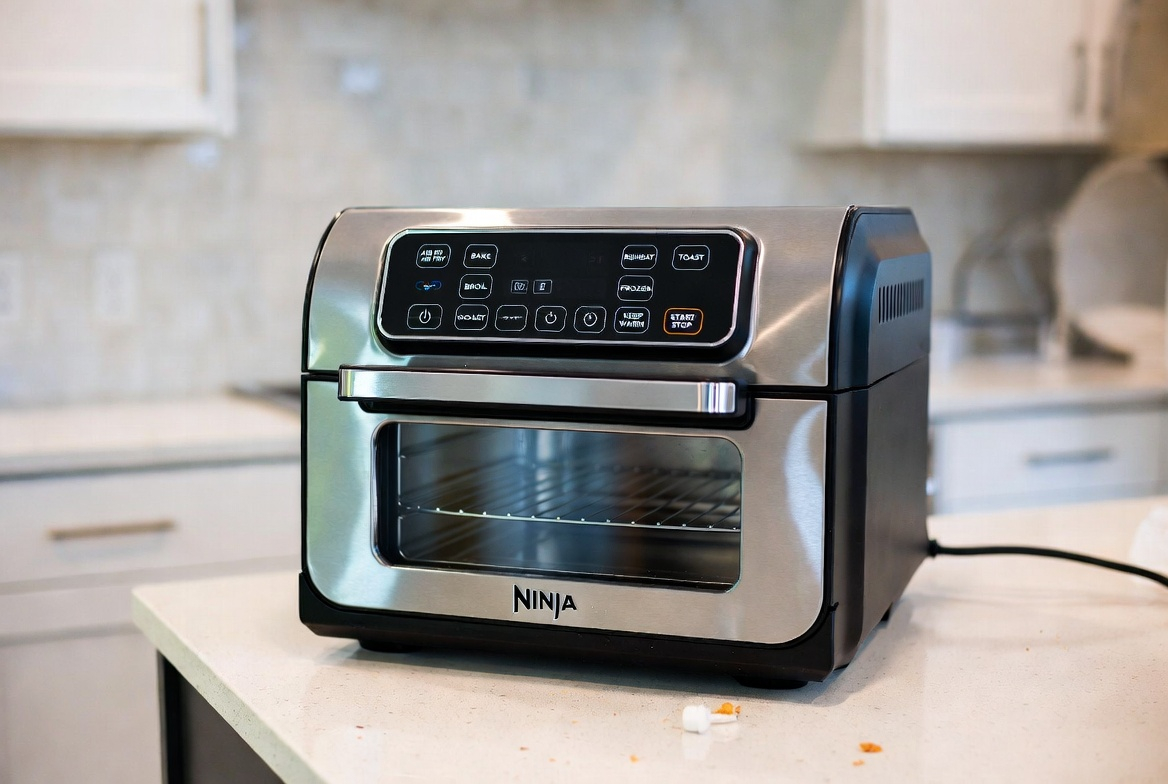
Ninja Air Fryer 8 in 1 vs 10 in 1: Which Should You Choose?
When you’re standing in front of your kitchen appliance options, trying to decide between the Ninja Air Fryer 8 in 1 and the 10 in 1 model, it can feel overwhelming. I mean, what’s the real difference between eight cooking functions and ten? Is paying extra for those two additional features actually worth it, or are you just throwing money at capabilities you’ll never use? Let me walk you through this decision-making process so you can confidently choose the right air fryer for your kitchen.
Understanding the Basics: What Are These Models?
Before we dive deep into the comparison, let’s establish what we’re actually talking about. The Ninja brand has created some seriously impressive air fryer models that have taken over home kitchens across the country. These aren’t just simple air fryers that fry food with hot air—they’re multi-functional powerhouses designed to replace several kitchen appliances at once.
Think of an air fryer as a mini convection oven on steroids. It uses rapidly circulating hot air to cook your food quickly and efficiently, giving you that crispy exterior we all crave without needing a gallon of oil. But the Ninja models go beyond basic frying. They’ve packed in additional cooking methods to make your kitchen more versatile than ever before.
The 8 in 1 Model: A Solid Starting Point
The Ninja Air Fryer 8 in 1 is essentially the foundation model in this comparison. When Ninja engineers designed this unit, they focused on delivering the most essential cooking functions that the average home cook actually needs on a daily basis.
What Functions Does the 8 in 1 Offer?
The eight functions typically included are:
- Air frying for that perfect crispy texture
- Roasting vegetables and proteins
- Reheating leftovers without drying them out
- Dehydrating fruits, vegetables, and meats
- Baking everything from cookies to cakes
- Grilling to create those beautiful grill marks
- Broiling for quick cooking and melting
- Toasting bread and bagels to perfection
When you really think about it, these eight functions cover about ninety-five percent of what most people do in their kitchens on a regular basis. Do you really need more than this? That’s the question worth asking.
Performance and Heating Speed
The 8 in 1 model heats up incredibly fast, usually reaching your desired temperature in just a couple of minutes. This is one of the biggest advantages of air fryers in general—no more waiting around for your oven to preheat while you’re hungry and getting frustrated.
The cooking capacity is generous enough for most families, and the heating element distributes heat evenly throughout the chamber, ensuring that your food cooks uniformly without those annoying cold spots.
The Price Point
Here’s something that really matters when you’re making a purchasing decision: the 8 in 1 model is significantly more affordable than its 10 in 1 counterpart. You’re looking at a price difference that could range from fifty to one hundred dollars or more, depending on sales and promotions. For many households, that’s real money that could go toward something else entirely.
The 10 in 1 Model: The Premium Option
Now let’s talk about the 10 in 1 model. This is Ninja’s answer to the question: “What if we could do even more?” It’s like the 8 in 1’s bigger, more ambitious cousin who decided to take on additional responsibilities.
What Additional Functions Are Included?
Beyond the eight core functions, the 10 in 1 typically adds:
- Proof mode for proofing bread dough
- Rotisserie capability for those Instagram-worthy meals
Now, I know what you’re thinking—just two extra functions? Is that really worth the upgrade? Let’s explore this a bit more because the answer isn’t as straightforward as it might seem.
The Proof Function: Game Changer for Bread Enthusiasts
The proof function is actually pretty clever if you’re someone who loves working with yeast-based doughs. Instead of finding a warm spot in your kitchen or dealing with an inconsistent temperature in your oven’s proof mode, the 10 in 1 gives you a dedicated function that maintains the perfect temperature for dough rising.
If you’re passionate about homemade bread, croissants, pizza dough, or any yeasted creation, this function can genuinely improve your results. But if you’ve never made yeast dough from scratch and have no plans to start, this feature is essentially useless to you.
The Rotisserie Function: Entertainment Value Meets Practical Cooking
Here’s where things get interesting. The rotisserie function allows you to make beautiful, evenly-cooked rotisserie-style chickens, kebabs, and other skewered foods right in your own kitchen. There’s something undeniably satisfying about watching food rotate and brown under heat.
Functionally speaking, you can achieve similar results with the roasting function in the 8 in 1 model, though the presentation and texture might be slightly different. The rotisserie specifically gives you that spinning action that creates even browning and keeps juices circulating throughout the meat.
Capacity and Build Quality
The 10 in 1 models often come with slightly larger cooking chambers and sometimes feature improved build quality. The materials might be more durable, and the overall construction might feel more premium. However, this varies by specific model and generation.
Comparing Cooking Performance Head-to-Head
Speed and Efficiency
Both models heat up quickly and cook efficiently. There’s not really a meaningful difference in terms of how fast they reach temperature or how quickly they cook your food. If speed is your primary concern, you’ll be satisfied with either option.
Consistency in Results
When it comes to actually cooking your food, both models use similar technology and deliver consistent, quality results. Your air fryer fries will be crispy, your roasted vegetables will be caramelized, and your baked goods will come out evenly cooked. The learning curve is comparable, and once you get the hang of temperature and timing, you’ll produce excellent meals with either model.
Cleaning and Maintenance
Both units require similar cleaning protocols. The basket and trays are typically dishwasher safe, and the heating element isn’t something you need to fuss with constantly. The main difference might be that the 10 in 1’s rotisserie skewers add a few extra items to wash, but we’re talking about a minor inconvenience.
Size, Space, and Kitchen Real Estate
Here’s a practical consideration that doesn’t get enough attention: where are you actually going to put this thing? Kitchen counter space is precious real estate, and both models take up room.
The 10 in 1 models are often slightly larger to accommodate the rotisserie function. If you’re working with limited counter space, this matters. The 8 in 1 might actually be the better choice simply because it requires less footprint, making it easier to find a permanent home on your counter or in your cabinet.
For Whom Is the 8 in 1 the Right Choice?
You’re Budget-Conscious
If you want to save money without sacrificing quality cooking, the 8 in 1 is your answer. You get incredible functionality at a more accessible price point.
You Have Limited Counter Space
A smaller footprint means easier storage and a less cluttered kitchen. Sometimes practicality wins out over having every possible feature.
You Don’t Bake Bread or Make Rotisserie
If proofing dough and making rotisserie meals simply aren’t things you do or want to do, those two extra functions are wasted features taking up space and adding to your cost.
You Want Simplicity
Fewer functions can actually be easier to navigate and understand. Some people prefer a streamlined interface over maximum options.
For Whom Is the 10 in 1 the Right Choice?
You’re an Adventurous Cook
If you love experimenting with different cooking techniques and expanding your culinary repertoire, the extra functions give you more creative freedom and possibilities.
You’re a Bread Baker
If you’re serious about baking yeast breads and want consistent, professional-quality proofing, the dedicated proof function is genuinely valuable to you.
You Want Rotisserie Meals
If the idea of making beautiful, restaurant-quality rotisserie chicken at home appeals to you, the rotisserie function justifies the upgrade.
You Have the Counter Space
If your kitchen has room and you’re going to use all the functions available, the 10 in 1 becomes a worthwhile investment rather than a luxury.
You Want Maximum Value Long-Term
Think of it this way: if you’re going to own this appliance for ten years, the extra functions you’ll use regularly make the higher upfront cost more economical over time.
Real-World Usage Scenarios
Weeknight Dinner: Both Models Excel
Cooking a quick chicken breast with vegetables? Both air fryers handle this with flying colors. You’ll have dinner on the table in under thirty minutes with minimal effort. There’s literally no advantage to the 10 in 1 here.
Weekend Cooking Project: The 10 in 1 Shines
If you’re planning to make homemade pizza dough on Saturday morning and rotisserie chicken for dinner, the 10 in 1’s dedicated functions give you a smoother, more intentional experience. However, you can still accomplish these tasks with the 8 in 1—they just might require a bit more attention and tweaking.
Batch Cooking and Meal Prep: Both Are Capable
When you’re dedicating a Sunday afternoon to preparing meals for the week, either model gets the job done. The capacity and cooking speed are comparable, so your workflow won’t change significantly between the two.
Warranty and Longevity Considerations
Both Ninja models typically come with solid warranties and are built to last. The brand has an excellent reputation for durability, so you shouldn’t feel like you’re taking on more risk with either option. Longevity shouldn’t be a deciding factor here—both will serve you well for many years.
The Accessory Factor
One thing worth considering is the availability of accessories and replacement parts. Both models have good support ecosystems, but the rotisserie skewers for the 10 in 1 might be slightly harder to find if you need replacements. The 8 in 1 uses more standard accessories that you can source almost anywhere.
Energy Consumption and Operating Costs
Air fryers are actually quite energy-efficient compared to traditional ovens. The difference in energy consumption between the 8 in 1 and 10 in 1 is negligible. You’re not going to see a meaningful difference in your electric bill regardless of which model you choose. This shouldn’t influence your decision.
Making Your Final Decision: A Practical Framework
Here’s how I’d approach this decision if I were in your shoes:
First, ask yourself honestly: do you bake bread with yeast, and do you want to? If the answer is a resounding no, you’ve already eliminated one of the two extra functions.
Next, consider rotisserie cooking. Do you find yourself craving that experience, or does it seem like a novelty that will lose its appeal after the first few times?
Then, think about your budget. Can you comfortably afford the 10 in 1 without stretching yourself? If you have to choose between this upgrade and other kitchen improvements you want, the extra cost might not be worth it.
Finally, consider your kitchen space. Is counter real estate at a premium in your home?
Once you’ve answered these questions, the right choice usually becomes obvious.
Conclusion
Both the Ninja Air Fryer 8 in 1 and 10 in 1 are exceptional kitchen appliances that will transform how you cook. The 8 in 1 provides everything most home cooks need at a better price point and with a smaller footprint. It’s practical, efficient, and delivers fantastic results day after day.
The 10 in 1 offers additional versatility through proofing and rotisserie functions that appeal to specific cooking styles and preferences. If you actively use these features, the upgrade is justified. If you won’t, you’re just paying extra for capabilities that will gather dust.
My honest recommendation? Start with the 8 in 1 unless you have a specific, genuine need for the two additional functions. You’ll save money, take up less space, and still enjoy an incredible cooking experience. If after six months or a year you find yourself wishing you had those extra features, you can always upgrade next time. But most people find that the eight core functions handle virtually everything they need in their kitchen.
Frequently Asked Questions
Can I use the 8 in 1 model to make rotisserie-style chicken?
Yes, absolutely. You can roast chicken in the 8 in 1 model and achieve delicious results. While it won’t have the theatrical spinning action of the rotisserie function, the chicken will cook evenly and develop beautiful browning. The flavor and texture will be nearly identical, just with a slightly different presentation.
Is the proof function in the 10 in 1 significantly better than using a traditional oven for proofing?
The dedicated proof function maintains a consistent, optimal temperature specifically for yeast activation, which is slightly more precise than most home ovens. For casual bread bakers, the difference is minimal, but serious bakers will appreciate the consistency and control. If you’re only making bread occasionally, you won’t notice a dramatic improvement.
How much larger is the 10 in 1 model compared to the 8 in 1?
The size difference varies by specific model year, but generally, the 10 in 1 is only marginally larger. We’re talking about a few inches in height and depth to accommodate the rotisserie mechanism. If counter space is limited, measure both models before purchasing to understand the exact footprint difference.
Will the price difference between these models eventually be offset by cooking advantages?
Not really, unless you actively use the rotisserie and proofing functions regularly. The price difference is between fifty to one hundred dollars upfront, and there aren’t meaningful operational cost differences that would offset this over time. If you use those two functions weekly, yes. If you use them monthly or less, probably not.
Can I prepare the same meals in both models?
Yes, with minor exceptions. The eight core functions in both models overlap significantly. The only meals that might be genuinely easier or better in the 10

![5 Best Air Fryer for a Big Family [In 2026]](https://homeunderstandable.com/wp-content/uploads/2026/03/5-Best-Air-Fryer-for-a-Big-Family.jpg)
![What Is The Best Cleaner for Ninja Air Fryer [In 2026]](https://homeunderstandable.com/wp-content/uploads/2026/03/Best-Cleaner-for-Ninja-Air-Fryer-768x516.jpg)
