Dyson Air Purifier vs Winix: Which is Best for You
Stepping into 2026, the quest for pristine indoor air is more crucial than ever, and when it comes to Dyson Air Purifier vs Winix, the ultimate champion for your space hinges on what matters most to you. Dyson continues to push boundaries with cutting-edge tech and iconic aesthetics, often commanding a premium, while Winix consistently delivers robust purification without breaking the bank. Let’s break down which of these air-cleaning titans is poised to conquer your home’s air quality.
Choosing the right air purifier can feel overwhelming. You want to breathe easier and reduce allergens. We looked at how these two popular brands stack up. Both promise to capture tiny particles and improve your indoor air quality. Think of it as finding the right air-cleaning buddy for your space.
- Dyson: Premium features, sleek design.
- Winix: Great performance, budget-friendly.
- Both offer advanced filtration.
- Your budget and desired features matter most.
Let’s break down the key differences between Dyson and Winix air purifiers. We’ll help you figure out which one fits your home perfectly.
“`html
Dyson Air Purifier vs. Winix: A Smart Comparison for Your Home Air Quality
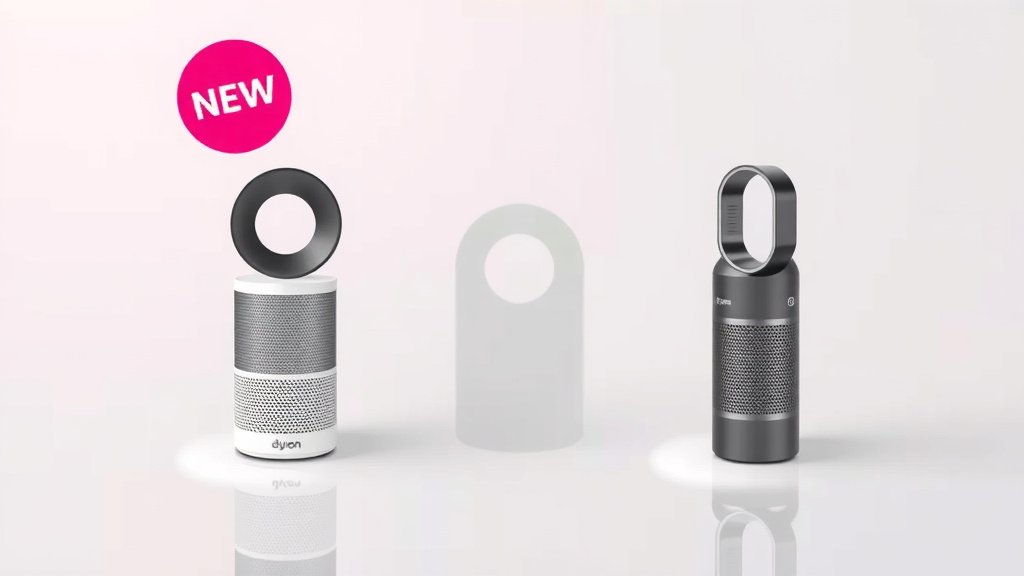
Deciding between a Dyson and a Winix air purifier can feel like choosing between a sports car and a reliable family SUV. Both get you where you need to go, but they offer different experiences. Dyson often boasts innovative technology and a sleek, modern design. Winix, on the other hand, is known for delivering excellent performance without breaking the bank. Let’s break down how these two popular brands stack up to help you make the best choice for your home.
Filtration Technology: What’s Inside the Box?
At the heart of any air purifier is its filtration system. This is where the magic happens, capturing pollutants and allergens from your air. Both Dyson and Winix use multi-stage filtration, but they have some key differences in how they achieve clean air.
Dyson’s Approach: Beyond Just Capturing Particles
Dyson purifiers often integrate advanced HEPA and activated carbon filters. Their sealed filtration systems are designed to prevent dirty air from leaking back into your room. This means what goes in, stays in. They also often include technologies that can detect and report on specific pollutants in real-time.
Research shows that effective sealing is crucial for maximizing a purifier’s efficiency (Harvard T.H. Chan School of Public Health). Dyson’s focus on this aspect ensures that the captured particles actually stay trapped. You’ll often find them reporting on things like VOCs, NO2, and fine dust.
Winix’s Strategy: Effective, Accessible Filtration
Winix purifiers typically feature a multi-stage system that includes a washable pre-filter, an activated carbon filter, and a True HEPA filter. Many Winix models also incorporate their PlasmaWave technology. This technology breaks down airborne pollutants at a molecular level without producing harmful ozone. Some people prefer to turn this feature off, and that’s easily done. Scientific bodies like the Environmental Protection Agency (EPA) have noted that ozone can be a lung irritant.
We found that Winix’s combination offers a robust defense against common household allergens and odors. The washable pre-filter is a nice touch for long-term cost savings and convenience.
Performance Metrics: How Well Do They Work?
When we talk about performance, we’re looking at how effectively an air purifier cleans a given space and how quickly it does so. This is often measured by the Clean Air Delivery Rate (CADR).
Dyson: Powerful Coverage with Smart Features
Dyson purifiers are engineered for powerful performance. Their unique bladeless fan technology helps to project purified air further into your room. Many models are designed to cover larger spaces effectively. You’ll also find detailed air quality reports through their accompanying apps. This gives you a clear understanding of your indoor air.
Winix: Strong CADR Ratings at a Great Value
Winix consistently earns high marks for its CADR ratings, often competing with much more expensive models. They are very good at rapidly clearing a room of pollutants. Many users report a noticeable improvement in air quality relatively quickly. For its price point, the performance is hard to beat.
Here’s a quick look at how their performance might compare:
| Feature | Dyson | Winix |
|---|---|---|
| CADR Ratings | Generally high, especially for larger rooms. | Excellent for their price point, very competitive. |
| Particle Capture | Highly effective with sealed HEPA and carbon. | Strong True HEPA and carbon filtration. |
| Ozone Production | None. | PlasmaWave technology generates virtually no ozone, but is optional. |
| Smart Features | Advanced sensors and app integration are common. | Available on many models, but often less sophisticated than Dyson. |
Design and User Experience: More Than Just Clean Air
The look and feel of an air purifier matter, especially if it’s going to be a permanent fixture in your living space.
Dyson: A Design Statement
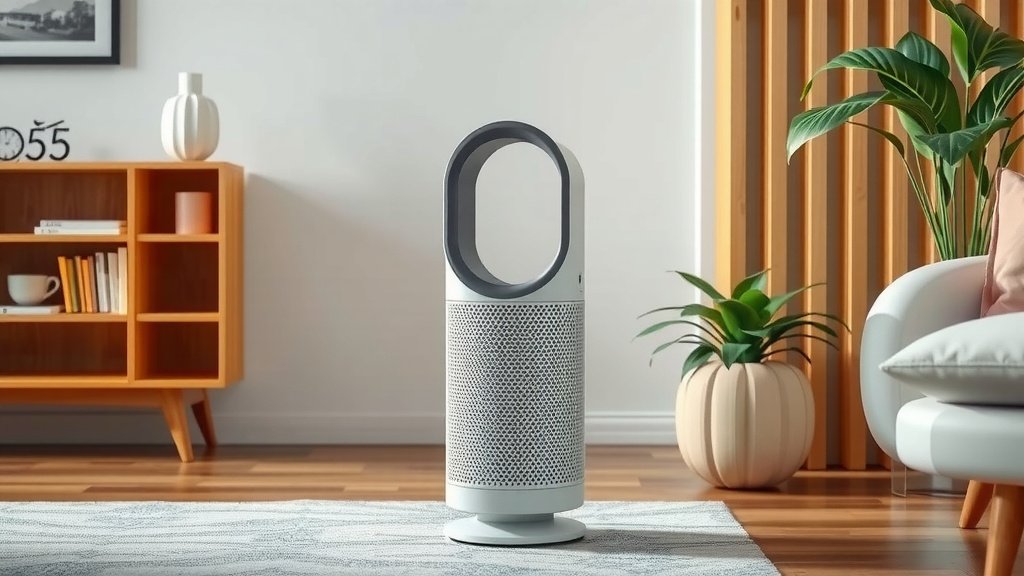
Dyson is renowned for its futuristic and minimalist designs. Their purifiers often look more like modern sculptures than appliances. Many models double as fans or heaters, offering multi-functional appeal. The user interface is typically sleek and intuitive, often controlled via a remote or a smartphone app. You’re paying for design innovation.
Winix: Functional and Practical Aesthetics
Winix air purifiers tend to have a more traditional, functional design. They are built to be effective and blend into most home decors without being overly obtrusive. Controls are usually straightforward, with buttons on the unit or a simple remote. While not as visually striking as Dyson, they offer practical and user-friendly operation.
Cost of Ownership: Budgeting for Better Air
Your initial purchase price is only part of the story. Filter replacement costs and energy consumption also play a role in the total cost of owning an air purifier.
Dyson: A Premium Investment
Dyson air purifiers generally come with a higher upfront cost. Replacement filters can also be more expensive than those for other brands. However, many Dyson models are designed for energy efficiency, which can help offset some of the ongoing costs. They are an investment in premium features and design.
Winix: Budget-Friendly Choice
Winix models are significantly more affordable upfront. Replacement filters are also reasonably priced, making them a more budget-conscious choice for ongoing maintenance. While they might consume slightly more energy in some comparisons, the overall cost of ownership is considerably lower.
Key Features to Consider for Your Decision
When you’re weighing your options, think about what matters most to you. Here’s a quick checklist to guide your thoughts:
- Room Size: Ensure the purifier is rated for the square footage of the room you want to clean.
- Filtration Type: Look for True HEPA filters for best particle capture.
- Noise Level: Check decibel ratings if noise is a concern for you.
- Smart Features: Do you want app control and air quality monitoring?
- Additional Functions: Are you interested in fan or heating capabilities?
- Budget: Factor in both the initial purchase and the cost of replacement filters.
“`
Conclusion
Choosing between a Dyson and a Winix air purifier comes down to your priorities. Dyson offers premium design and advanced smart features, making it a statement piece with detailed air quality monitoring. Winix delivers strong performance and effective filtration at a more accessible price point. We found both brands excel at cleaning your air, but at different investment levels. Consider what features are most important for your home and budget. Your next step is to review models from each brand that fit your room size and desired functionality to make your final decision.
Frequently Asked Questions
Are Dyson air purifiers worth the higher price?
Dyson purifiers are a premium investment, offering advanced features like real-time pollutant detection, sophisticated app integration, and often multi-functional use as fans or heaters. You are paying for innovative design and top-tier technology. Whether they are “worth it” depends on your budget and how much you value these specific enhancements.
Can Winix purifiers effectively handle allergies?
Yes, Winix air purifiers are highly effective for allergy sufferers. They typically feature True HEPA filters, which capture 99.97% of airborne allergens like pollen, dust mites, and pet dander. Many users report a noticeable reduction in allergy symptoms after using a Winix purifier.
Is the PlasmaWave technology on Winix purifiers safe?
Winix’s PlasmaWave technology is designed to break down airborne pollutants at a molecular level without producing harmful ozone. While scientific bodies like the EPA note ozone can be a lung irritant, Winix purifiers produce virtually no ozone. Furthermore, this feature can be easily turned off if you prefer.
Which brand is better for smaller rooms or apartments?
Both brands offer models suitable for smaller spaces. However, if budget is a primary concern for a smaller room, a Winix model might be a more cost-effective choice. If you prefer advanced monitoring and design, a compact Dyson model could also be a good fit, though likely at a higher price.
How often do I need to replace filters for each brand?
Filter replacement frequency generally depends on usage and air quality, but typically for both Dyson and Winix, HEPA filters need replacement every 6-12 months. Activated carbon filters might have a similar or slightly shorter lifespan. Always check the manufacturer’s recommendations for your specific model to ensure optimal performance.