Are Air Purifiers Truly Effective for Your Home
Yes, an air purifier can be a great addition to your home, especially if you struggle with allergies or live in an area with poor air quality. When used correctly, they can help reduce airborne pollutants like dust, pollen, pet dander, and smoke. Think of it as a helpful tool for cleaner air.
Many people wonder if these machines actually make a difference. Research and studies have shown that air purifiers can indeed improve indoor air quality. They work by filtering out particles that can irritate your lungs and trigger allergy symptoms. This means your home could feel a lot more comfortable.
- Air purifiers can help reduce allergens like dust and pollen.
- They can also capture smoke and pet dander.
- Choosing the right type is important for effectiveness.
- Placement and maintenance also play a big role.
- They are a good tool for improving indoor air.
So, how good is an air purifier for your specific situation? We’ve gathered the key information to help you decide. Let’s walk through exactly how they work and what you should consider.
How Effective Are Air Purifiers for Your Home?
So, you’re wondering if an air purifier is really worth it. The short answer is: yes, for many people, they can make a noticeable difference. Think of it like this: if you have a filter in your HVAC system, an air purifier is like a super-powered, portable version for a specific room.
Research and expert reviews consistently show that air purifiers can help improve your indoor air quality. They are particularly good at removing tiny particles from the air that can bother your lungs. This means less sneezing and coughing for you and your family.
Understanding How Air Purifiers Work
At their core, air purifiers are designed to clean the air in a room. They pull air in, pass it through a series of filters, and then release cleaner air back out. It’s a simple, yet effective process.
The Role of Filters
The real magic happens within the filters. Different types of filters target different pollutants. Most purifiers use a combination to catch a wide range of airborne nasties.
HEPA Filters: The Gold Standard
You’ll hear a lot about HEPA filters, and for good reason. HEPA stands for High-Efficiency Particulate Air. To earn this label, a filter must capture at least 99.97% of particles that are 0.3 microns in size. That’s incredibly small! Think of things like pollen, pet dander, dust mites, and even some bacteria and viruses.
Many health organizations, like the EPA, recognize HEPA filters as a reliable way to reduce airborne allergens and irritants. This makes them a top choice for allergy sufferers.
Activated Carbon Filters: Tackling Odors and Gases
Beyond particles, some air purifiers have activated carbon filters. These are fantastic for absorbing odors and gases. If you deal with smoke, cooking smells, or even pet odors, this type of filter is your best friend. It works like a sponge for unpleasant smells.
Pre-filters: The First Line of Defense
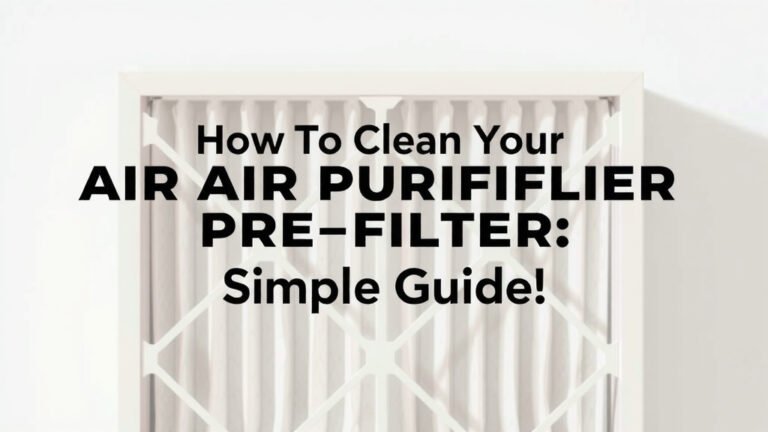
Many purifiers also include a pre-filter. This is usually a washable mesh that catches larger particles like hair and visible dust. It protects the more sensitive HEPA and carbon filters, helping them last longer.
Airflow and Coverage Area
An air purifier’s effectiveness also depends on how well it can clean the air in your room. This is often measured by its Clean Air Delivery Rate (CADR). A higher CADR means the unit can clean the air more quickly.
You’ll also see room size ratings for air purifiers. It’s important to match the purifier to the size of the space you want to clean. A small unit in a large room won’t do much. Conversely, a giant unit in a tiny room might be overkill and noisy.
Many experts recommend choosing a unit rated for a slightly larger room than you have. This allows the purifier to run on a lower, quieter setting while still effectively cleaning the air.
Who Benefits Most from an Air Purifier?
While anyone can enjoy cleaner air, certain groups see the most significant improvements.
People with Allergies and Asthma
If you suffer from allergies or asthma, an air purifier can be a game-changer. Pollen, dust mites, pet dander, and mold spores are common triggers. By trapping these particles, an air purifier can reduce the frequency and severity of your symptoms.
We found that many users report fewer allergy flare-ups and better sleep when using an air purifier in their bedroom. It’s like creating a personal haven of clean air.
Those Living in Areas with Poor Air Quality
Are you in a city with traffic pollution? Do you experience wildfire smoke? Air purifiers can help bring some relief indoors. They can filter out fine particulate matter that often comes with outdoor pollution.
The American Lung Association often discusses the impact of outdoor air pollution on indoor air. They suggest that air purifiers can be a helpful tool to reduce your exposure to these harmful outdoor elements when you’re inside.
Pet Owners
Pets are wonderful, but they can also be a source of allergens and odors. Dander (tiny flakes of skin) and pet hair float around your home. An air purifier with a good HEPA filter can capture much of this.
Plus, if your furry friend isn’t the best-smelling companion, an activated carbon filter can help neutralize those lingering odors.
Anyone Sensitive to Odors or Smoke
Cooking smells, cigarette smoke, or even strong cleaning products can leave your home smelling less than fresh. An air purifier with an activated carbon filter can make a big difference in removing these airborne irritants.
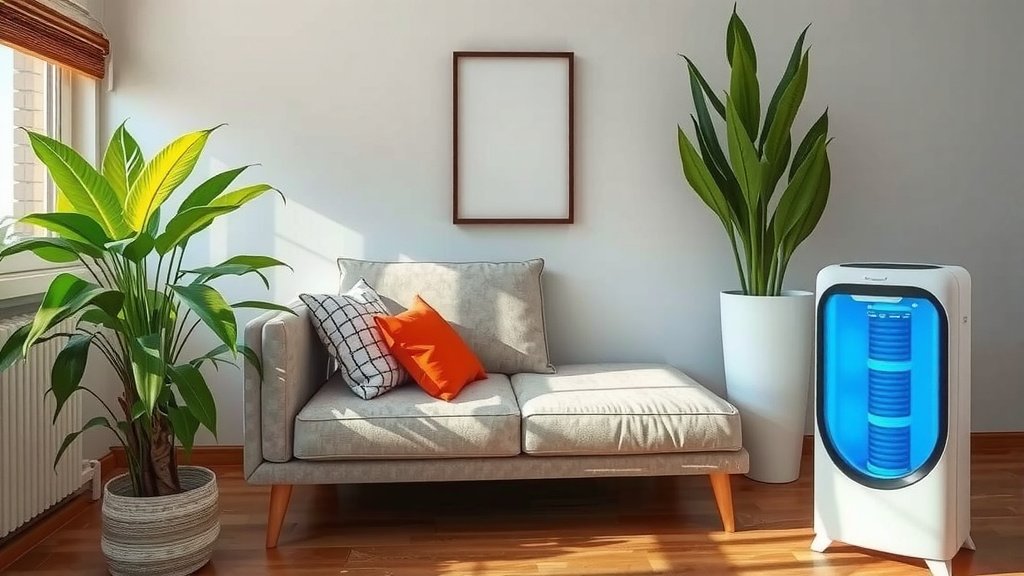
Key Factors for an Effective Air Purifier
Simply buying an air purifier isn’t enough. To get the most bang for your buck, consider these points.
Proper Sizing for Your Space
As mentioned, matching the purifier’s room size rating to your room is vital. A unit that’s too small will struggle. It will run constantly and still won’t clean the air effectively.
Filter Type and Quality
Always look for a true HEPA filter for particle removal. For odors and gases, ensure it has a substantial activated carbon filter. The more carbon, the better it can absorb.
Maintenance is Non-Negotiable
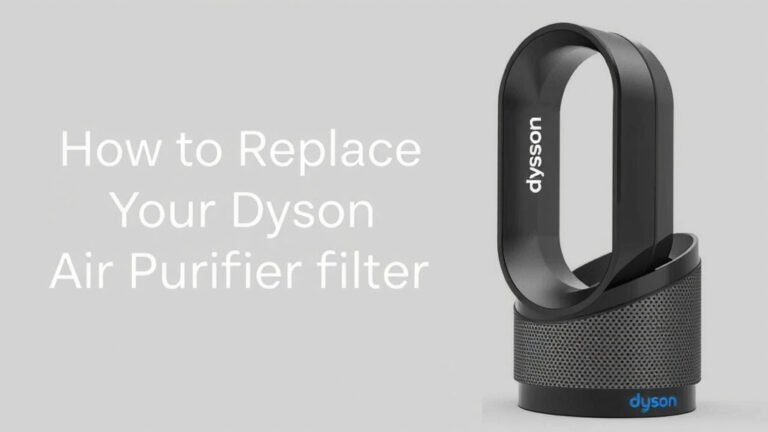
Air purifiers require upkeep. You need to replace filters regularly. Pre-filters should be cleaned often. If you don’t maintain it, your purifier becomes a dust collector, not a cleaner.
Most manufacturers provide guidelines for filter replacement, typically every 6-12 months depending on use and air quality. Skipping this step means the filters get clogged and stop working efficiently.
Placement Matters!
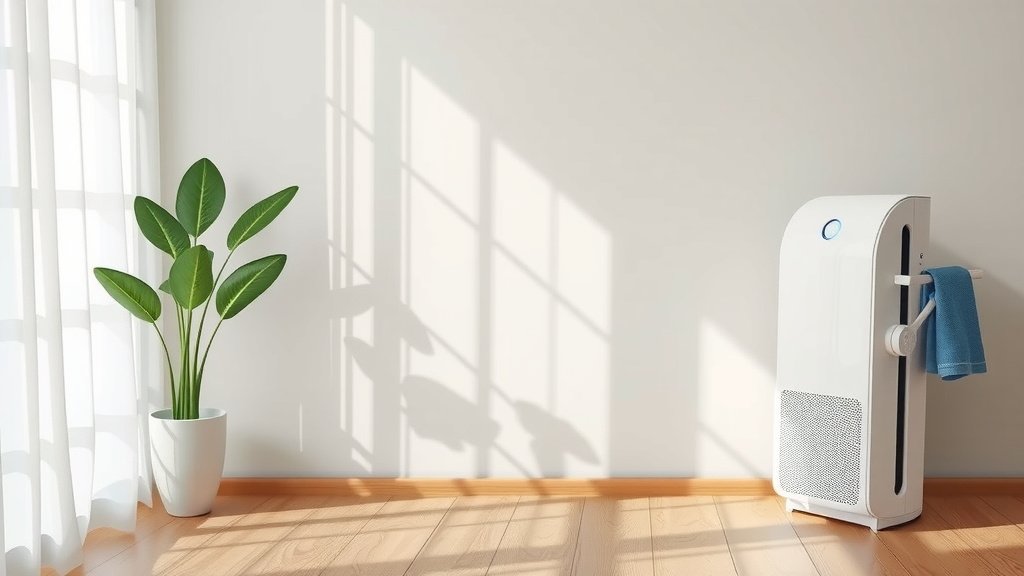
Don’t hide your air purifier in a corner behind furniture. For best results, place it in the room where you spend the most time, or the room with the poorest air quality.
Keep it away from walls or obstructions that could block airflow. You want it to have open space around it to pull air in and circulate it effectively.
When an Air Purifier Might Not Be Enough
While great for airborne particles, air purifiers have limitations. They can’t solve every air quality problem.
Source Control is Key
An air purifier can filter out smoke particles, but it can’t stop someone from smoking indoors. It can reduce mold spores, but it can’t fix a leaky pipe causing mold growth. Addressing the source of pollution is always the first step.
Experts often suggest that air purifiers are most effective when used alongside good ventilation and by reducing pollution sources. They are a tool, not a magic wand.
Not for Gases from Chemical Sources
While activated carbon filters help with some VOCs (Volatile Organic Compounds) and odors, they aren’t a solution for high concentrations of harmful gases from, say, a major chemical spill or off-gassing from new furniture if it’s extreme. For those situations, ventilation is more critical.
Here’s a quick checklist to consider:
- Does your room need better particle filtration?
- Are odors or smoke a problem in your home?
- Do you or family members have allergies or asthma?
- Are you in an area with frequent outdoor air quality alerts?
- Are you prepared for ongoing filter replacement costs?
- Can you place the purifier in an open area for good circulation?
Conclusion
So, how good is an air purifier for your home? You’ve learned they are a fantastic tool for improving indoor air quality, especially if you face allergies, asthma, or live with pets. By using HEPA and activated carbon filters, these machines can effectively trap allergens, odors, and smoke. Remember that proper sizing, regular maintenance, and strategic placement are key to maximizing their benefits. While they aren’t a fix for every air quality issue, they can significantly enhance your comfort and health. Your next step? Consider your specific needs and research models that fit your space and budget to start enjoying cleaner air.
Frequently Asked Questions
How quickly can an air purifier improve my air quality?
The time it takes for an air purifier to show results can vary. For a small room with a highly effective unit, you might notice a difference in air freshness within a few hours. For larger spaces or less severe air quality issues, it might take a day or two of continuous operation.
Can air purifiers eliminate all airborne viruses and bacteria?
While HEPA filters can capture a very high percentage of airborne particles, including some bacteria and viruses (especially those attached to larger particles), they don’t sterilize the air. For complete elimination, other methods like UV-C light technology are sometimes incorporated, but an air purifier primarily focuses on trapping.
Do air purifiers use a lot of electricity?
Most modern air purifiers are designed to be energy-efficient, especially when running on lower settings. The energy consumption is generally comparable to a standard household fan. Running it continuously on a high setting will use more power, but often a medium or low setting is sufficient.
How often do I really need to replace the filters?
Filter replacement frequency depends on the air purifier’s usage, the air quality in your home, and the specific filter type. Many manufacturers recommend replacing HEPA filters every 6 to 12 months and activated carbon filters more often, perhaps every 3 to 6 months, as they become saturated with odors.
Can I just use one air purifier for my whole house?
Generally, air purifiers are designed for specific room sizes, indicated by their CADR (Clean Air Delivery Rate) and square footage ratings. Using a single unit for your entire home is usually not effective unless you have a very small, open-plan living space. It’s best to use them in rooms where you spend the most time.
![5 Best House Plants for Air Purifying [In 2026]](https://homeunderstandable.com/wp-content/uploads/2025/05/best-house-plants-for-air-purifying-enhance-your-homes-freshness-768x662.jpg)