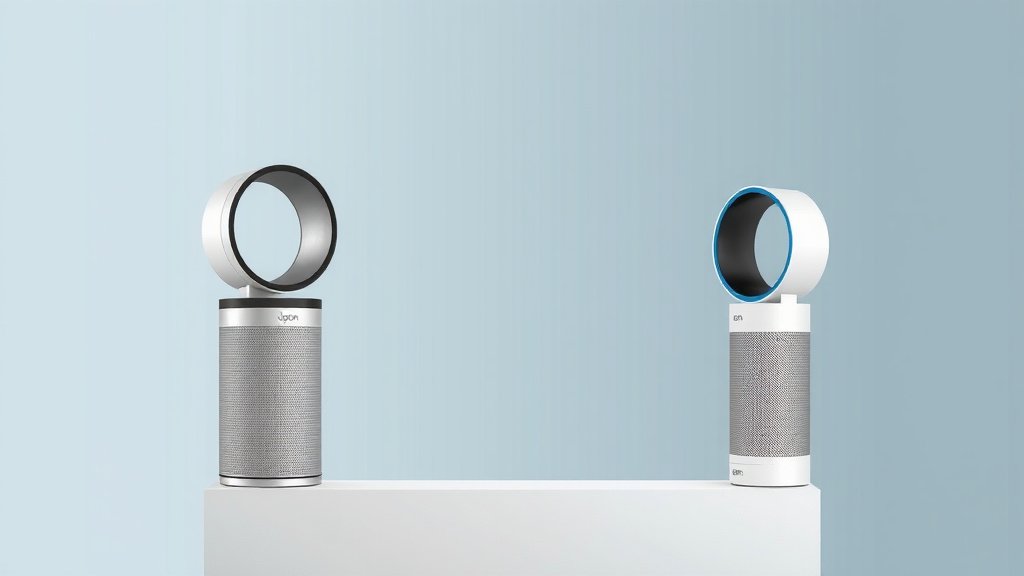
Dyson vs Alen Air Purifier: Which is Best for You
Stepping into 2026, the battle between Dyson and Alen air purifiers isn’t about who’s definitively “better,” but rather who’s the perfect match for your unique air-purifying needs. Dyson consistently pushes boundaries with cutting-edge filtration and intuitive smart tech, ideal for those who crave the latest innovations. Meanwhile, Alen shines with its sleek aesthetics and remarkably quiet performance, often tailored for specific living spaces. Both deliver exceptional air quality, but the real winner in the Dyson vs Alen air purifier showdown is always you, based on what matters most in your home.
You’re likely looking to breathe cleaner air at home. We know choosing the right air purifier can feel overwhelming. That’s why we researched these popular brands to help you find the best fit for your space and budget. Think about factors like room size coverage and noise levels.
- Dyson excels in high-tech filtration and smart connectivity.
- Alen offers beautiful designs and quiet performance.
- Consider your room size and noise tolerance.
- Both brands are good choices for cleaner air.
Let’s break down how the Dyson and Alen air purifiers stack up, so you can make the most informed decision for your home.
You’re looking for a way to clean the air in your home, and you’ve narrowed it down to two strong contenders: Dyson and Alen. Both are popular choices, and for good reason. They both promise to remove pollutants and allergens, leaving your air feeling fresher. But how do they actually stack up against each other? Let’s dive into the details to help you decide which one is the better fit for your needs.
Comparing Dyson and Alen Air Purifiers
Choosing between Dyson and Alen isn’t about picking a “bad” air purifier. It’s about finding the one that aligns best with your home and your priorities. We found that Dyson often pushes the boundaries with its advanced technology and smart features. Alen, on the other hand, tends to focus on a more aesthetically pleasing design and quieter operation.
Filtration Technology: How They Clean Your Air
At the core of any air purifier is its ability to capture tiny particles. Both Dyson and Alen use multi-stage filtration systems. This means they layer different types of filters to tackle various pollutants.
Dyson’s Approach to Filtration
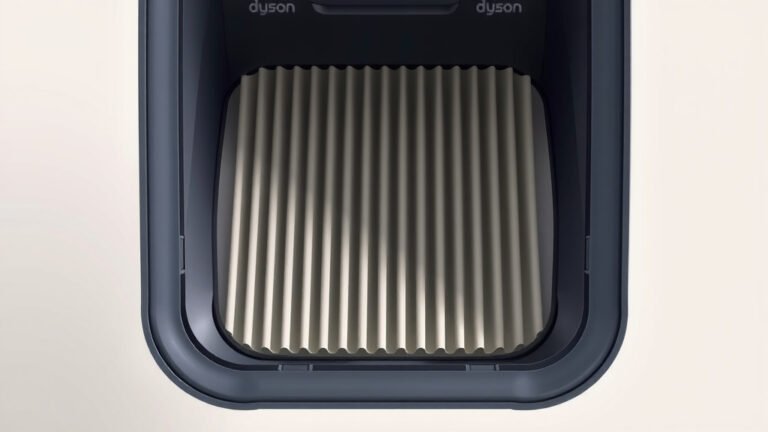
Dyson is known for its HEPA filtration, which is a big deal. A true HEPA filter is designed to capture at least 99.97% of particles as small as 0.3 microns. Think dust, pollen, pet dander, and even some bacteria and viruses. Many health organizations recommend HEPA filters for allergen removal (CDC). Dyson often combines this with activated carbon filters to address gases and odors. Their filters are typically sealed units, ensuring that unfiltered air doesn’t bypass the system.
Alen’s Filtration Strengths
Alen also uses HEPA-style filters, often calling them “Medical-Grade HEPA.” While the term “medical-grade” isn’t a regulated standard in the US, their filters are still effective at capturing a high percentage of airborne particles. Alen units often feature a larger filter surface area compared to some competitors. This can mean longer filter life and less frequent replacements. They also include activated carbon for odor control, with options to upgrade for specific smells like smoke or pet odors. We found that the larger filter size can contribute to quieter operation.
Smart Features and Connectivity
In today’s connected world, many appliances come with smart capabilities. This is an area where Dyson really shines. Alen offers some smart features, but they are generally less extensive.
Dyson’s Smart Ecosystem
Dyson air purifiers are often designed to be part of a smart home. You can usually control them remotely using a smartphone app. This allows you to monitor air quality in real-time, adjust settings, and even schedule operation from anywhere. The app often provides detailed reports on your home’s air quality. Many models integrate with voice assistants like Alexa or Google Assistant. This high level of connectivity is a major draw for tech-savvy users.
Alen’s Connectivity Options
Alen’s approach to smart features is usually more straightforward. Some models offer Wi-Fi connectivity and can be controlled via an app. You can typically turn the unit on or off, change fan speeds, and check filter life. While convenient, it might not offer the same level of detailed air quality data or integration that Dyson provides. We found that Alen’s focus here is on ease of use rather than deep smart home integration.
Design and Aesthetics: Blending with Your Decor
An air purifier isn’t just a functional appliance; it’s also a piece of equipment that sits in your living space. How it looks can be as important as how it works for many people.
Dyson’s Modern and Minimalist Look
Dyson products are typically characterized by their sleek, futuristic designs. They often use clean lines, premium materials, and a minimalist aesthetic. Many Dyson purifiers are also designed to oscillate and project clean air across the room, sometimes doubling as fans in warmer months. Their appearance is generally meant to be seen and appreciated, fitting well into modern homes.
Alen’s Stylish and Customizable Appeal
Alen makes a strong case for air purifiers as home decor. They offer a wide range of designer panels in various colors and fabric options. This allows you to match the air purifier to your existing furniture or decor. Whether you prefer a minimalist look, a pop of color, or a textured finish, Alen likely has an option. This customization is a significant advantage for those who are design-conscious. We found that Alen often prioritizes a softer, more organic aesthetic.
Noise Levels: Peace and Quiet
The hum of an air purifier can be noticeable, especially in quiet rooms or at night. Noise levels are a common concern for consumers.
Dyson’s Noise Performance
Dyson purifiers, especially their more advanced models, can produce some noise, particularly at higher fan speeds. The airflow from their bladeless technology is designed for powerful circulation, which can generate sound. However, they often have auto modes that adjust fan speed based on air quality, helping to manage noise during quiet periods. We found that lower settings are generally quite quiet.
Alen’s Quiet Operation Focus
Alen air purifiers are often praised for their quiet performance. Their designs, including larger filters and sometimes more robust motor housings, can help dampen sound. Many users report that Alen units are barely audible on lower settings, making them ideal for bedrooms or offices where quiet is essential. They often market their units as being whisper-quiet.
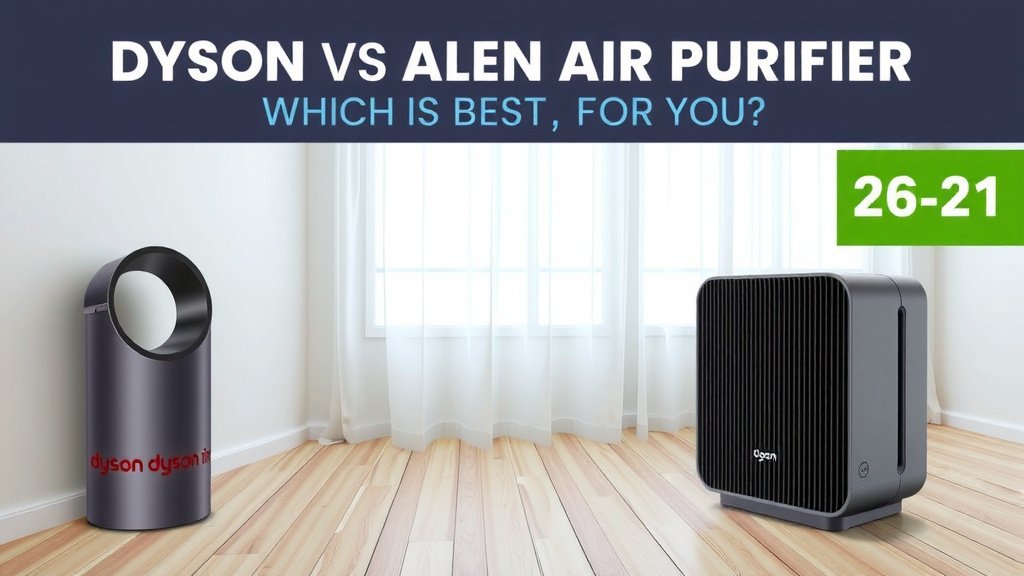
Coverage Area and Room Size
An air purifier is only effective if it’s powerful enough for the space you need to clean. Both brands offer units for various room sizes.
Matching Dyson to Your Room
Dyson offers a range of purifiers designed for different room sizes, from small bedrooms to larger living areas. Their airflow technology is designed to circulate air efficiently throughout a space. You’ll want to check the specific CADR (Clean Air Delivery Rate) for the model you’re considering to ensure it meets your room’s square footage. Many Dyson models are good for medium to large rooms.
Alen’s Room Coverage Options
Alen clearly labels its air purifiers for specific room sizes, often distinguishing between bedrooms, living rooms, and large spaces. They are quite transparent about their coverage estimates, which are based on the unit’s airflow and filter capacity. Their focus on larger filters can sometimes mean efficient cleaning of larger spaces. It’s important to look at the recommended room size for each Alen model.
Price Point and Filter Replacement Costs
Let’s talk about the elephant in the room: cost. Air purifiers are an investment, and ongoing costs like filter replacements add up.
Dyson’s Premium Pricing
Dyson products are generally at the higher end of the price spectrum. This reflects their advanced technology, build quality, and brand reputation. Filter replacements can also be a significant cost. While they are designed for longevity, you’ll need to factor these into your budget.
Alen’s Value Proposition
Alen units typically fall into a mid-range to upper-mid-range price category. They often offer a strong balance between features, performance, and cost. Filter replacement costs for Alen units are generally competitive, and their larger filters might last longer, potentially saving you money over time. We found that many consumers find Alen offers good value for the performance and design.
Making Your Final Choice: A Quick Checklist
To help you decide, consider these points:
- Do you want the most advanced app control and data? (Dyson might be your pick)
- Is a stylish design that blends with your decor a top priority? (Alen offers more customization)
- Are you sensitive to noise and need whisper-quiet operation? (Alen often excels here)
- Is budget a major factor, balancing upfront and ongoing costs? (Compare specific models carefully)
- Do you need very specific allergen or odor removal? (Both have options, but check specs)
- How large is the room you need to purify? (Crucial for effective cleaning)
By considering these aspects, you can move closer to choosing the air purifier that will best serve your home and your health.
Conclusion
So, you’ve seen how Dyson and Alen air purifiers stack up. Dyson leads the pack with advanced tech and smart features for the connected home. Alen stands out with beautiful, customizable designs and impressively quiet operation. Your best choice depends on what matters most to you. If top-tier air quality data and app control are your priority, Dyson might win. If you value aesthetics and near-silent performance, lean towards Alen. We recommend reviewing your room size and budget again before making your final decision.
Frequently Asked Questions
Which brand is better for allergies, Dyson or Alen?
Both brands use HEPA-style filters effective against allergens like pollen and pet dander. Dyson’s sealed filtration systems are excellent at preventing any bypass. Alen’s larger filters can offer strong performance for their designated room sizes.
Are Dyson or Alen air purifiers more expensive to maintain?
Dyson units generally have a higher upfront cost, and their replacement filters can also be pricier. Alen units are often mid-range in price, and their filter costs are typically more competitive. Consider the lifespan of filters for long-term cost comparison.
Which brand offers a quieter air purifier for a bedroom?
Alen is often praised for its quiet operation, making it a great choice for bedrooms where noise can be disruptive. While Dyson models can be quiet on lower settings, Alen tends to be the consistent winner for whisper-quiet performance.
Can I control my Dyson or Alen air purifier with my phone?
Yes, many models from both brands offer smartphone app control. Dyson typically provides more detailed air quality monitoring and integration with smart home systems. Alen’s app control is usually more focused on basic functions like fan speed and scheduling.
Which brand has better design options for fitting into home decor?
Alen truly shines here, offering a wide variety of designer panels and finishes to match your home’s aesthetic. Dyson models have a modern, minimalist look that fits well in contemporary spaces but offers less customization.