Dyson vs Blueair Air Purifier: Which is Best?
Navigating the 2026 air purifier landscape? When it comes to Dyson versus Blueair, the decision often boils down to a smart blend of cutting-edge tech and pure filtration power. Both brands are top-tier for air cleaning, but Dyson purifiers frequently stand out with their do-it-all approach, integrating heating and cooling alongside air purification. Blueair, on the other hand, is a master of delivering potent yet whisper-quiet air cleaning with seriously impressive filtration. Ultimately, finding your “better” choice in the Dyson vs Blueair air purifier debate means zeroing in on what matters most for your home and your health.
Both Dyson and Blueair are well-respected names in the air purifier market. We found that Dyson’s units are often praised for their sleek design and integration with smart home technology. Blueair, on the other hand, is frequently highlighted for its HEPASilent technology, which is designed to remove pollutants efficiently without excessive noise. Think about what’s most important for your home: is it versatility, sheer purification power, or something else?
TL;DR:
- Dyson often includes extra features like heating/cooling.
- Blueair focuses heavily on quiet, effective air filtration.
- Both offer advanced HEPA filters for clean air.
- Consider your primary need: purification, versatility, or budget.
Let’s break down what makes each brand stand out and help you decide which air purifier is the right fit for your home.
Comparing Dyson and Blueair Air Purifier Technologies
When you’re looking for cleaner air at home, both Dyson and Blueair stand out. We found that understanding their core technologies can help you make the best choice for your needs. It’s about how they capture pollutants and how they deliver that clean air to you. Let’s dive into what makes each brand tick.
Dyson’s Approach: Beyond Just Purification
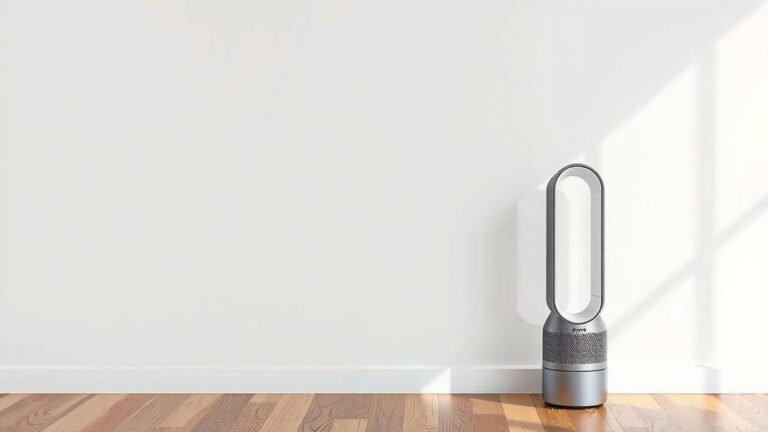
Dyson is famous for its innovation, and its air purifiers are no exception. They often combine multiple functions into one sleek unit. You might see features like heating, cooling, and humidifying alongside air purification. This means one Dyson device can potentially replace several other appliances in your home. We found that their design philosophy prioritizes versatility and smart technology integration.
Dyson’s Filtration System
Dyson purifiers typically use a sealed filtration system. This is key to ensuring that all the air passes through the filter. They often feature a combination of a HEPA filter and an activated carbon filter. The HEPA filter captures tiny particles like allergens and dust. The carbon filter works to remove gases and odors. This dual-action approach helps tackle a wide range of air contaminants. We found their sealed system aims for maximum efficiency and prevents air leakage.
Smart Features and Connectivity
Many Dyson models are equipped with advanced sensors. These sensors monitor your indoor air quality in real-time. You can often see the pollution levels on the device’s display or through a connected app on your smartphone. This connectivity allows you to control the purifier remotely. You can adjust settings, schedule purification times, and receive air quality reports. Many users appreciate this convenient, data-driven approach to managing their home environment.
Blueair’s Focus: Powerful and Quiet Air Cleaning
Blueair has built its reputation on delivering exceptional air purification performance. Their primary goal is to remove pollutants effectively and quietly. We found that Blueair units are often praised for their ability to clean large spaces quickly without creating a disruptive noise level. Their systems are engineered with a strong emphasis on filtration technology.
HEPASilent® Technology Explained
The standout feature for Blueair is often their proprietary HEPASilent technology. This system combines electrostatic charging with mechanical filtration. The idea is to charge particles in the air, making them easier to capture by the filter media. This approach allows the filters to be less dense. Less dense filters mean air can pass through more freely. This results in quieter operation and lower energy consumption. Many experts agree that efficient filtration doesn’t always have to be loud.
Filter Types and Performance
Blueair offers different types of filters depending on the model. Their standard filters usually incorporate the HEPASilent technology for capturing particles. Some models also feature activated carbon filters to tackle gases and odors. For those dealing with significant smells or VOCs (Volatile Organic Compounds), Blueair offers specialized carbon filters. These often use a more substantial amount of activated carbon. We found that users often report a noticeable reduction in odors and airborne irritants.
Key Differences: What Sets Them Apart
While both brands aim to improve your air quality, their priorities and feature sets differ. Understanding these distinctions is vital for finding the purifier that best suits your lifestyle and home environment. It’s not just about filtering; it’s about the entire user experience.
Functionality and Versatility
Dyson often shines when it comes to multi-functionality. Many of their units are not just purifiers; they are also heaters, fans, or humidifiers. This can be a major selling point if you’re looking to consolidate appliances. Blueair, on the other hand, typically focuses solely on air purification. Their strength lies in perfecting that single function. If your primary need is just cleaner air, Blueair’s dedicated approach might be ideal. If you want a device that does more, Dyson offers that breadth.
Noise Levels During Operation
Noise is a significant factor for many air purifier buyers. We found that Blueair units are frequently lauded for their whisper-quiet operation, especially at lower fan speeds, thanks to their HEPASilent technology. Dyson purifiers are generally quiet, but some users find them slightly louder, particularly at higher fan settings when performing multiple functions. If quiet operation is a top priority for your bedroom or office, Blueair often has an edge.
Design and Aesthetics
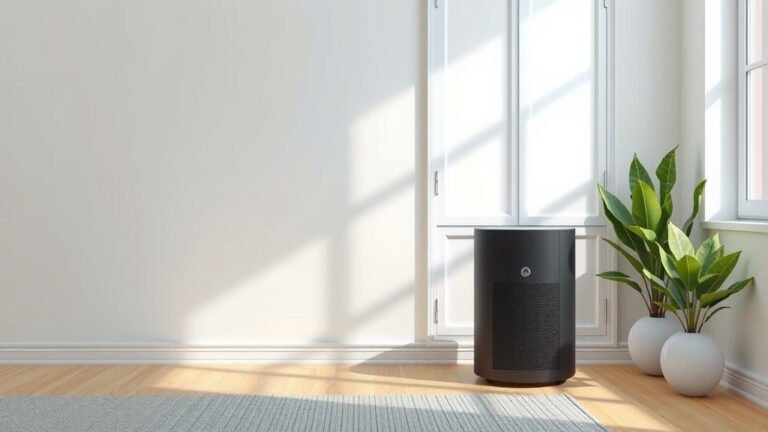
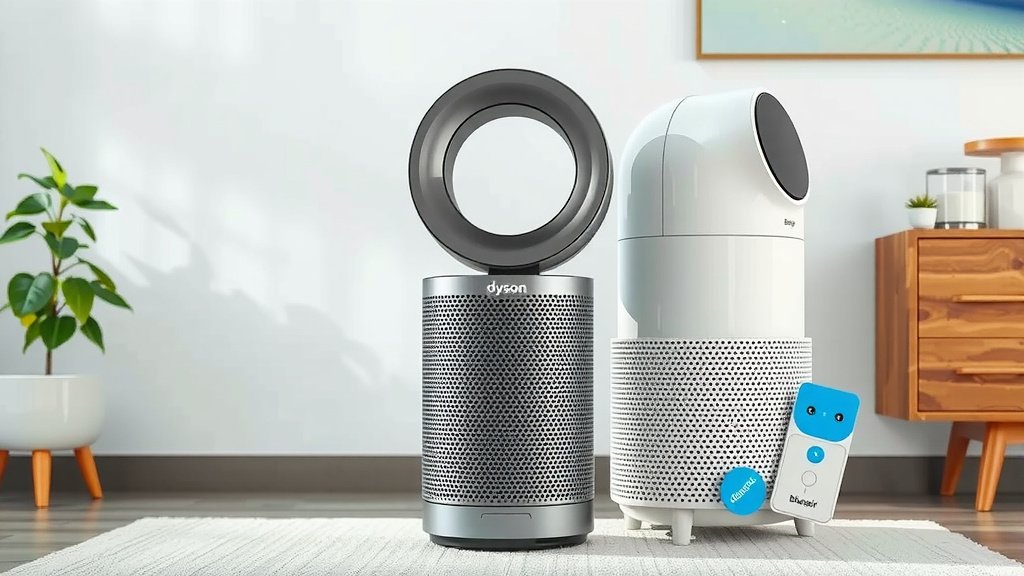
Both brands offer modern, aesthetically pleasing designs. Dyson purifiers often have a distinctive, futuristic look with bladeless fan technology. They are designed to be visually appealing as a centerpiece in a room. Blueair units tend to have a cleaner, more minimalist Scandinavian design. They often blend more subtly into home decor. Your personal preference for style will play a role here.
Smart Home Integration and Control
Dyson typically leads in smart home integration. Their purifiers are designed for app control, voice commands, and detailed air quality monitoring. If you’re heavily invested in a smart home ecosystem, Dyson offers a very connected experience. Blueair also offers app control and air quality monitoring on many of its newer models. However, Dyson’s integration often feels more robust and central to the product experience.
Price Point and Value Proposition
When considering an air purifier, your budget is undoubtedly a factor. We found that both Dyson and Blueair represent premium options in the market. Generally, Dyson purifiers can be more expensive, especially models with heating or cooling functions. This is due to the added technology and multi-functionality. Blueair units are also an investment, but they often offer strong value for pure purification performance. You’re paying for advanced filtration and quiet operation.
Consider the total cost of ownership. This includes not only the initial purchase price but also the cost of replacement filters. Filter replacement frequency and price can vary between models and brands. It’s wise to look into this before making your final decision.
| Feature | Dyson | Blueair |
|---|---|---|
| Primary Function | Purification + Heating/Cooling/Humidifying | Purification |
| Key Technology | Sealed HEPA + Carbon Filtration | HEPASilent® Technology |
| Noise Level | Generally quiet, can be louder on high settings | Very quiet, especially at lower speeds |
| Smart Features | Advanced sensors, robust app control, voice integration | Good app control and monitoring on newer models |
| Design | Futuristic, often a centerpiece | Minimalist, blends into decor |
| Price Range | Typically higher, especially multi-function units | Premium, focused on purification performance |
Making Your Choice: A Checklist for You
To help you decide, ask yourself these questions. Answering them honestly will guide you toward the right air purifier for your home. We want you to feel confident in your purchase.
- Do you need heating or cooling in addition to purification?
- Is quiet operation a top priority for your living space?
- Are you looking for a device that serves multiple purposes?
- How important is advanced smart home integration and app control to you?
- What is your overall budget for the appliance and ongoing filter costs?
- Are strong odors or gases a major concern in your home?
Conclusion
You’ve seen how Dyson and Blueair approach air purification differently. Dyson offers versatility with added heating and cooling, paired with smart tech. Blueair excels in pure, quiet filtration, often winning on noise levels. Your choice hinges on whether you prioritize multi-functionality or dedicated, whisper-quiet purification. Consider what truly matters for your living space and daily routine. To make your final decision, think about your biggest air quality concerns and how much you value extra features versus focused performance. Your home’s air will thank you for making an informed choice.
Frequently Asked Questions
Which brand is better for allergies?
Both brands use HEPA filters, which are excellent for capturing allergens. Dyson’s sealed system aims to ensure all air passes through the filter, maximizing allergen capture. Blueair’s HEPASilent technology is also highly effective at removing airborne particles that trigger allergies. Your specific allergy triggers might influence the best filter choice.
Are Blueair filters more expensive than Dyson filters?
The cost of replacement filters can vary widely depending on the specific model you choose from either brand. It’s wise to research the price and recommended replacement frequency for filters for any model you’re considering. This can impact the long-term cost of ownership.
Can I use an air purifier in a small apartment?
Yes, you can use an air purifier in a small apartment. Both Dyson and Blueair offer various sizes. For smaller spaces, look for models designed for room size or consider using a purifier on a lower fan setting. Over-purifying a small space is generally not an issue, but watch for noise at higher settings.
Which is better for removing odors?
Both brands often include activated carbon filters to help with odors and gases. Blueair offers specialized carbon filters that are quite robust for odor removal. Dyson’s combined HEPA and carbon filters are also effective. If strong odors are a primary concern, ensure the model you select has a substantial carbon filter component.
Are Dyson air purifiers noisy compared to Blueair?
Generally, Blueair is known for being quieter due to its HEPASilent technology, especially at lower speeds. Dyson purifiers are typically quiet, but some users find them louder on higher settings, particularly if they are also performing heating or cooling functions. If whisper-quiet operation is your top priority, Blueair often has an advantage.