Is Your Air Purifier Making Ozone? Find Out Now
Figuring out if your air purifier is creating ozone is a valid concern. You can often tell if your air purifier produces ozone by noticing a metallic smell or experiencing throat irritation. Some purifiers are designed to emit ozone, while others do not intentionally produce it but might do so as a byproduct of their cleaning process. It’s important to know your model’s capabilities.
Many air purification technologies exist, and not all are created equal. While some methods, like ionizers and UV-C light, can sometimes create ozone, others like HEPA filters generally do not. Understanding these differences helps you make informed choices for your home’s air quality. We found that ozone can be a lung irritant, even at low levels.
- Check your air purifier’s manual for ozone emission information.
- Be aware of a distinct metallic or chlorine-like smell.
- Watch for symptoms like sore throat or coughing.
- Some purifiers intentionally produce ozone; others may produce it as a byproduct.
Let’s look closely at how to determine if your air purifier is a secret ozone producer.
Identifying Ozone Production in Your Air Purifier
You want to make sure your air purifier is actually cleaning your air, not adding a new problem. So, how do you know if your air purifier is producing ozone? We’ve found that the most common signs are an unusual smell and some physical reactions. Pay close attention to what you notice in your home.
Smelling Ozone: The Metallic Clue
Ozone has a very distinct odor. Many people describe it as a metallic smell. Others compare it to the scent of bleach or a swimming pool. If you suddenly start noticing this smell whenever your air purifier is running, it’s a strong indicator. We found that this smell is often quite faint at first. It’s easy to miss if you aren’t paying attention. Think of it like a subtle perfume you don’t notice until someone walks by.
Physical Symptoms to Watch For
Ozone is known to irritate the lungs. You might experience a sore throat or a persistent cough. Some people also feel a tightness in their chest. These symptoms can be mistaken for allergies or a cold. However, if they appear or worsen when your air purifier is on, and disappear when it’s off, ozone could be the culprit. Research from the CDC indicates ozone can aggravate asthma and other lung diseases. It can even cause permanent lung damage with prolonged exposure. Keep an eye out for these reactions, especially in sensitive individuals like children or the elderly.
Understanding Air Purifier Technologies and Ozone
Not all air purifiers work the same way. Some technologies are more prone to producing ozone than others. Knowing what type of purifier you have can help you predict potential issues.
Technologies That May Produce Ozone
Ionizers
Ionizing air purifiers work by releasing charged ions into the air. These ions attach to airborne particles, giving them a charge. The charged particles then stick to surfaces or are collected on plates within the purifier. The problem is that this process can create ozone as a byproduct. We found that the amount of ozone produced can vary greatly between models. Some ionizers are designed to minimize ozone, while others may produce more.
UV-C Light Purifiers
Ultraviolet (UV-C) light is used to kill germs and microorganisms. While effective, UV-C lamps can sometimes produce small amounts of ozone. This happens when the UV light’s wavelength interacts with oxygen molecules in the air. Many modern UV-C purifiers are designed to operate at wavelengths that don’t produce significant ozone. However, it’s still something to be aware of. Check your manufacturer’s specifications carefully.
Ozone Generators (Intentional Ozone Production)
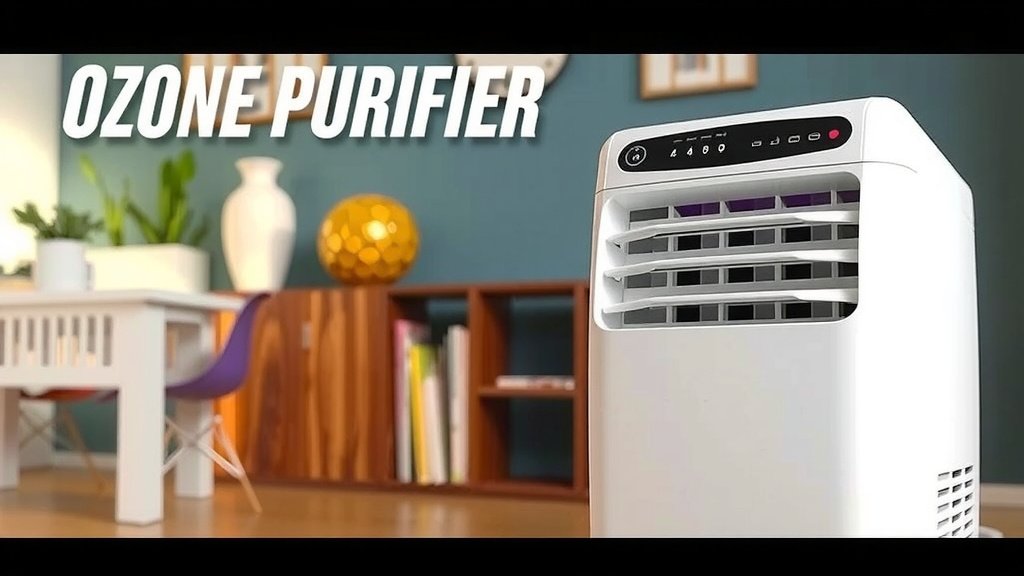
Some devices are specifically marketed as “ozone generators.” These are designed to intentionally produce ozone to neutralize odors or disinfect spaces. You should be very cautious with these. The U.S. Environmental Protection Agency (EPA) warns that ozone generators should not be used in occupied spaces. The ozone they produce can be harmful to your health. If your purifier is labeled as an ozone generator, you already know it produces ozone.
Technologies That Generally Do Not Produce Ozone
Fortunately, many effective air purification methods don’t create ozone. These are often the safest choices for continuous use in your home. We found that focusing on these can give you peace of mind.
HEPA Filters
High-Efficiency Particulate Air (HEPA) filters are made of densely woven fibers. They physically trap particles like dust, pollen, and pet dander. This is a mechanical process. It does not involve any chemical reactions that produce ozone. If your air purifier primarily uses a HEPA filter, it’s highly unlikely to be producing ozone. Many experts recommend HEPA filters for general air cleaning (Mayo Clinic).
Activated Carbon Filters
Activated carbon filters are excellent at absorbing odors and gases. They work by using a porous material that attracts and holds onto airborne chemicals. This is also a passive process. It does not generate ozone. Many air purifiers combine HEPA filters with activated carbon for comprehensive air cleaning. This combination is generally considered ozone-free.
How to Find Out for Sure: Checking Your Purifier
So, how do you get definitive answers about your specific unit? You don’t have to just guess. There are clear steps you can take to investigate.
Consult Your Air Purifier’s Manual
The owner’s manual is your best friend here. Manufacturers are required to disclose if their products intentionally produce ozone. Look for sections on specifications, features, or safety warnings. Many manuals will state clearly whether the unit is an ozone generator or if it produces ozone as a byproduct. If you can’t find your physical manual, search online for “[Your Air Purifier Brand and Model] manual PDF.”
Look for Certifications and Labels
Reputable organizations test air purifiers for ozone emissions. Look for certifications like CARB (California Air Resources Board) compliance. The CARB certification means a purifier meets strict ozone emission limits. If your purifier has a CARB-certified label, you can be much more confident about its safety. We found this to be a very reliable indicator.
Use an Ozone Detector (If Concerned)
For ultimate peace of mind, you can purchase a standalone ozone detector. These devices measure ozone levels in your home’s air. You can place one near your air purifier to see if levels spike when it’s running. This can be helpful if you have lingering doubts or if someone in your household is particularly sensitive. Keep in mind that natural outdoor ozone levels can sometimes influence indoor readings.
A Quick Checklist for Identifying Ozone Production
- Does it have a metallic or chlorine smell?
- Do you experience throat irritation or coughing when it’s on?
- Is your unit specifically labeled as an “ozone generator”?
- Does the manual mention ozone production?
- Does it have a CARB-compliant certification?
- Are there other people in the house experiencing similar symptoms?
By combining your own observations with information from the manufacturer and potential testing, you can become an expert on your air purifier’s output. You deserve to breathe clean, healthy air without added worry.
Conclusion
Knowing if your air purifier is secretly adding ozone to your home is important for your health. You’ve learned to look for tell-tale signs like a metallic smell and physical reactions such as throat irritation. Understanding the different technologies, like ionizers and UV-C, that might produce ozone, while HEPA and carbon filters generally don’t, is key. Always check your manual and look for certifications like CARB.
Your next step is simple: review your air purifier’s documentation. If you have any doubts, consider a CARB-certified model or an ozone detector for peace of mind. You deserve to breathe easier in your home.
Frequently Asked Questions
Can I smell ozone if my air purifier is producing it?
Yes, ozone often has a distinct metallic or chlorine-like smell. Many people describe it as similar to the scent of a swimming pool. If you notice this new odor when your purifier is running, it’s a strong indicator to investigate further.
What if I experience allergy-like symptoms when my air purifier is on?
Symptoms like a sore throat, coughing, or chest tightness could be signs of ozone exposure. If these symptoms appear or worsen when your air purifier is active and then fade when it’s off, ozone might be the cause. Sensitive individuals, like children and the elderly, may react more strongly.
Are all air purifiers with ionizers bad for producing ozone?
Ionizers can produce ozone as a byproduct. However, the amount can vary greatly between models. Some manufacturers design their ionizers to minimize ozone output. Always check your manual to understand your specific unit’s ozone production capabilities.
Does a HEPA filter produce ozone?
No, HEPA filters do not produce ozone. They work by physically trapping particles from the air. If your air purifier relies solely on HEPA filtration, it’s highly unlikely to be generating ozone. This makes HEPA filters a safe choice for continuous use.
How can I be absolutely sure about my air purifier’s ozone output?
The most reliable way is to check your owner’s manual for any mention of ozone production. Looking for a CARB-compliant certification on the unit or packaging also indicates it meets strict ozone emission standards. For maximum certainty, you can use a standalone ozone detector.
![What Is The Best Air Purifier for New Construction Home [In 2026]](https://homeunderstandable.com/wp-content/uploads/2025/05/best-air-purifier-for-new-construction-home.jpg)