How to Purify Your House Air for a Healthier Home
You can purify the air in your house through a combination of strategies, including using air purifiers, increasing ventilation, and incorporating houseplants. Often, a mix of methods works best to ensure cleaner air. Making these changes can help reduce common allergens and pollutants that affect your home’s atmosphere.
Breathing cleaner air at home is about more than just fresh scents. It involves tackling microscopic particles like dust, pet dander, and even volatile organic compounds (VOCs) from everyday products. Many experts suggest that improving indoor air quality can have a real impact on your overall well-being and comfort.
- Use good air purifiers with HEPA filters.
- Open windows regularly for fresh air.
- Add plants known for air cleaning.
- Keep your home clean to reduce dust.
- Consider a whole-house ventilation system.
Let’s walk through the most effective ways you can start purifying your home’s air today.
Breathing Easier: Your Guide to Fresher Indoor Air
Improving the air quality in your home can make a noticeable difference in how you feel. You might be surprised by how many simple steps you can take. Let’s explore some effective strategies to get your indoor air as clean as possible.
Harnessing the Power of Air Purifiers
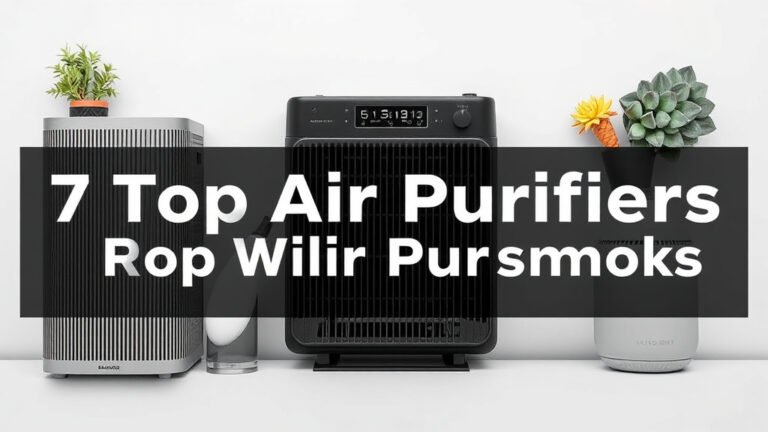
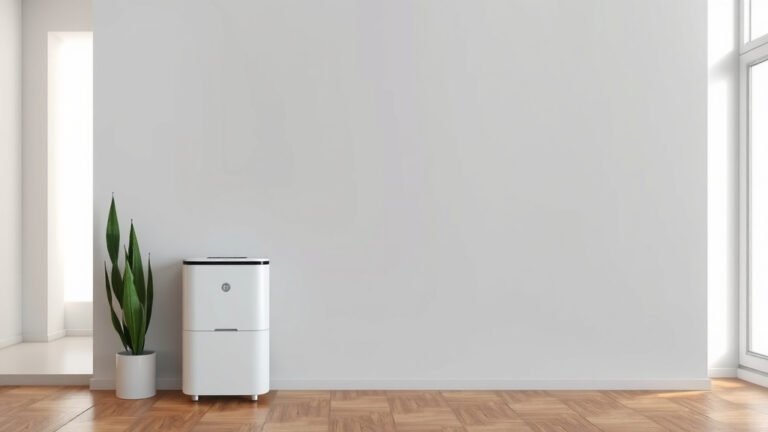
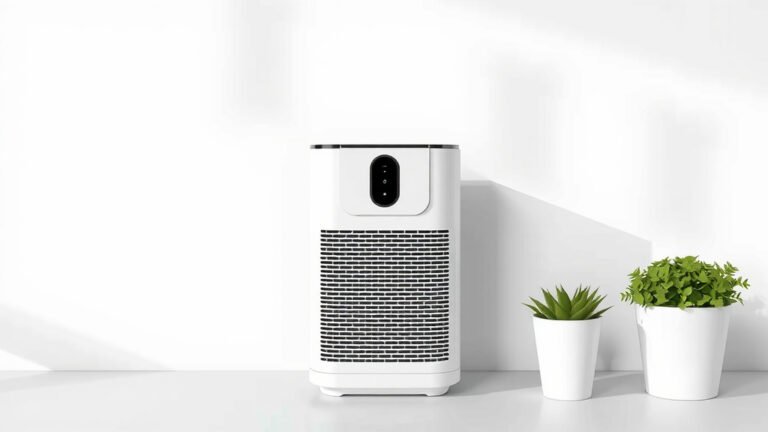
Air purifiers are like tiny, diligent helpers for your home’s atmosphere. They actively remove particles from the air. When choosing one, pay attention to the type of filter they use.
Understanding HEPA Filters
HEPA stands for High-Efficiency Particulate Air. These filters are designed to capture very small particles. Experts say they can trap at least 99.97% of airborne particles. This includes common irritants like dust mites, pollen, and pet dander (CDC). A good HEPA filter is key for many air purifiers.
What Else Can Purifiers Tackle?
Beyond dust and dander, some purifiers can handle other issues. Activated carbon filters, for example, can help reduce odors and gases. These might come from cooking, pets, or even cleaning supplies. Some units combine HEPA and carbon filters for broader protection.
Choosing the Right Size and Placement
It’s important to match the purifier’s size to your room. Check the CADR (Clean Air Delivery Rate) for guidance. A unit that’s too small won’t be effective. For best results, place purifiers where air can circulate freely. Avoid tucking them away in corners or behind furniture.
The Importance of Fresh Air Ventilation
While purifiers clean the air already inside, bringing in fresh air is also vital. Ventilation helps dilute indoor pollutants. It’s like giving your home a good airing out.
Simple Steps: Opening Windows
The easiest way to ventilate is to simply open your windows. Even a few minutes can help. Try to do this daily, especially after cooking or cleaning. This simple act can significantly reduce the buildup of indoor **pollutants**.
When Outdoor Air Isn’t Ideal
Sometimes, opening windows isn’t the best option. On days with high outdoor pollution or during allergy seasons, it might bring more irritants in. In such cases, a mechanical ventilation system might be more helpful. These systems can filter incoming air before it enters your home.
Nature’s Air Cleaners: Houseplants
Did you know plants can help clean your air? They naturally absorb certain pollutants through their leaves and roots. While they aren’t a replacement for an air purifier, they add a nice touch and offer a small boost.
Top Performers for Indoor Air
NASA conducted research that highlighted several plants good at filtering indoor air. The snake plant is known for releasing oxygen at night. The spider plant is also a popular choice. Other good options include the peace lily and the Boston fern. They can help remove **formaldehyde** and benzene from the air (NCBI).
Caring for Your Green Helpers
Keep in mind that plants need proper care. Overwatering can lead to mold, which is counterproductive. Ensure they get the right amount of light and water. Healthy plants are the best air cleaners!
Everyday Habits for Cleaner Air
Beyond devices and plants, your daily routines play a role. Simple cleaning habits can dramatically reduce the dust and allergens floating around.
Dusting and Vacuuming Wisely
Regular dusting with a damp cloth is more effective than dry dusting. A damp cloth traps dust instead of just scattering it. When vacuuming, use a vacuum with a HEPA filter. This ensures you’re not just pushing fine dust particles back into the air.
Controlling Moisture and Mold
Excess moisture can lead to mold growth. Mold releases spores that can affect air quality. Use exhaust fans in bathrooms and kitchens. Fix any leaks promptly. Dehumidifiers can also help in damp areas.
Mindful Product Choices
Many household products release **VOCs** (Volatile Organic Compounds). These can include paints, air fresheners, and cleaning supplies. Opt for low-VOC or natural alternatives whenever possible. Ventilate well when using stronger products.
Considering Advanced Ventilation Systems
For more consistent air quality management, you might consider a whole-house ventilation system. These systems are designed to bring fresh air into your home while exhausting stale air.
Types of Ventilation Systems
Common types include Heat Recovery Ventilators (HRVs) and Energy Recovery Ventilators (ERVs). They can pre-condition incoming air, saving energy. These systems are often installed during new construction or major renovations. They offer a **comprehensive** approach to indoor air management.
A Quick Checklist for Fresher Air
Here’s a handy list to help you get started or to review your current efforts:
- Purifier Power: Ensure your air purifier has a HEPA filter and is sized for the room.
- Window Wisdom: Open windows daily for at least 10-15 minutes when outdoor air quality is good.
- Plant Power: Add a few air-purifying houseplants.
- Clean Routine: Dust with a damp cloth and vacuum regularly with a HEPA filter vacuum.
- Moisture Watch: Control humidity and fix leaks to prevent mold.
- Product Patrol: Choose low-VOC products when possible.
Conclusion
You’ve learned that creating cleaner indoor air involves a blend of methods. Using a HEPA air purifier is a strong start. Regularly opening windows brings in fresh air. Even simple habits like dusting and choosing low-VOC products make a difference. Incorporating houseplants adds a natural touch. By combining these strategies, you can significantly improve your home’s air quality. Take one step today to breathe easier and feel better in your own space.
Frequently Asked Questions
How often should I run my air purifier?
For best results, run your air purifier continuously, especially in rooms where you spend the most time. Many modern purifiers are energy-efficient, so you can leave them on without worrying too much about your electricity bill. This ensures a consistent level of air cleaning throughout the day.
Can houseplants really purify the air enough?
Houseplants can offer a small boost to your indoor air quality by filtering certain pollutants. However, research shows you’d need a very large number of plants to match the effectiveness of a good air purifier. Think of them as a lovely addition rather than a primary air cleaning solution.
What’s the difference between an air purifier and an air filter?
An air filter is usually a component within a larger system, like your HVAC unit, that traps particles. An air purifier is a standalone device designed specifically to clean the air in a room. Many effective air purifiers use advanced HEPA filters to capture microscopic particles.
How do I know if my home has poor air quality?
Signs of poor indoor air quality can include frequent headaches, allergy symptoms that worsen indoors, persistent odors, or visible dust buildup. If you notice these issues, it’s a good sign that improving your home’s air filtration and ventilation would be beneficial.
Should I worry about VOCs from everyday products?
Yes, VOCs (Volatile Organic Compounds) can be a concern. They are released from many common items like paints, cleaning supplies, and even furniture. Choosing products labeled “low-VOC” or “natural” and ensuring good ventilation when using stronger products can help minimize your exposure.