Purify Air at Home: Your Complete Guide
You can purify your air using a combination of methods, like using air purifiers with HEPA filters and improving ventilation. Opening windows regularly helps immensely. Even simple actions, like cleaning regularly, can make a big difference in your home’s air quality.
Dirty air can affect your health. Dust, pollen, and even pet dander can cause allergy symptoms. Many experts say that keeping your air clean is important for your overall well-being. We found that consistent cleaning and proper air filtration are key.
- Use air purifiers with HEPA filters.
- Open windows for natural ventilation.
- Keep your home clean and dust-free.
- Consider houseplants for a natural boost.
Let’s walk through exactly how you can achieve fresher, cleaner air in your home, step by step.
So, you’re wondering how to make your indoor air cleaner and fresher? That’s a smart question to ask! Indoor air can sometimes be more polluted than outdoor air, believe it or not. We’ve looked into the best ways to tackle this, and the good news is that a combination of simple actions and a few key tools can make a big difference.
Making Your Air Fresher: A Practical Guide
You can purify your home’s air by using the right equipment and making conscious choices. Let’s break down the most effective strategies you can start using today.
Understanding What Pollutes Your Air
Before we jump into purification, it helps to know what we’re dealing with. Indoor air can be filled with microscopic particles. These include dust mites, pollen that sneaks in, pet dander, mold spores, and even volatile organic compounds (VOCs) from cleaning products and furniture. These can all impact your health, especially if you have allergies or asthma. We found that identifying common sources is the first step to reducing them.
Common Indoor Air Pollutants
- Dust and dust mites
- Pollen and outdoor allergens
- Pet dander and fur
- Mold and mildew spores
- Smoke particles (from cooking or smoking)
- VOCs from paints, cleaners, and furnishings
- Bacteria and viruses
The Power of Air Purifiers
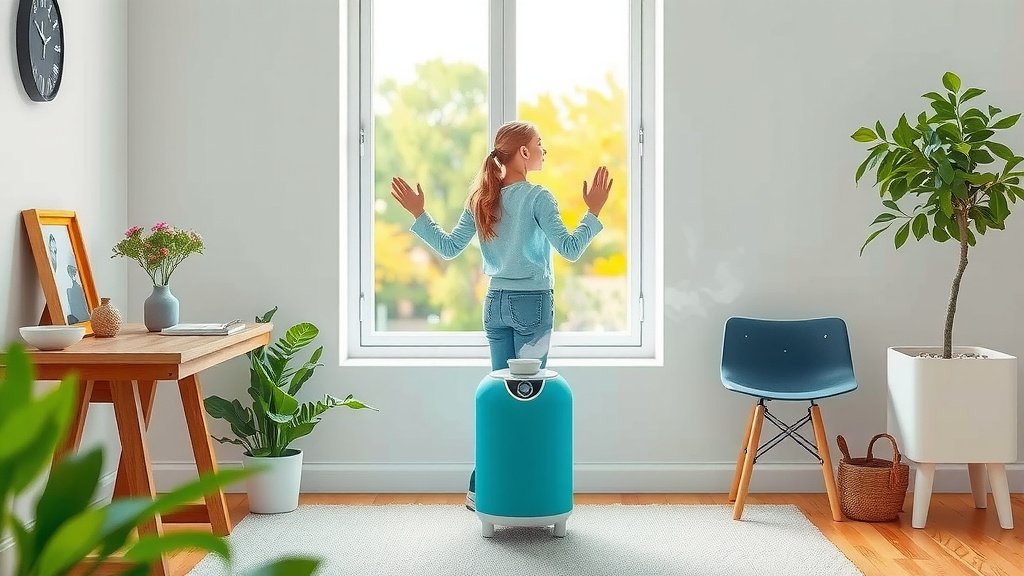
Air purifiers are specially designed machines that pull air from a room and pass it through a series of filters. This is a really direct way to capture those tiny particles we just talked about. Many experts recommend using them, especially in bedrooms or high-traffic areas of your home (Cleveland Clinic).
HEPA Filters: Your Best Friend
When looking for an air purifier, the term “HEPA filter” is what you want to see. HEPA stands for High-Efficiency Particulate Air. These filters are designed to capture at least 99.97% of airborne particles that are 0.3 microns in size. Think of it like a super-fine sieve for your air. This includes allergens, dust, pet dander, and even some bacteria and viruses.
Choosing the Right Size Purifier
It’s not a one-size-fits-all situation. Air purifiers have a Clean Air Delivery Rate (CADR) rating. This tells you how effectively it cleans the air in a specific room size. Always check the manufacturer’s recommendations for room size and CADR. We found that using a purifier that’s too small for your space won’t give you the results you’re looking for.
Maintenance Matters
Remember, air purifiers need upkeep. You’ll need to regularly replace the filters. If you don’t, they can become clogged and less effective. Some purifiers also have pre-filters that you can wash. Check your model’s manual for the recommended schedule. Skipping this step is like trying to breathe through a dirty sock – not ideal!
Ventilation: Letting Fresh Air In
While purifiers work hard inside, sometimes the best solution is to simply open a window. Natural ventilation is a fantastic way to exchange stale indoor air for fresh outdoor air. Many guidelines suggest opening windows for at least a few minutes each day, especially after activities that can create indoor pollutants, like cooking or cleaning (CDC).
When to Ventilate
- After cooking
- After showering
- When using cleaning products
- If you notice lingering odors
- On days with good outdoor air quality
Strategic Window Opening
Cross-ventilation is super effective. If you can open windows on opposite sides of your home, you create a nice airflow that helps push stale air out and pull fresh air in. Even just opening windows in rooms you use the most can make a noticeable difference. We found that this simple act can significantly reduce the concentration of indoor pollutants.
Simple Household Habits for Cleaner Air
You don’t always need fancy gadgets. Consistent cleaning habits play a huge role in keeping your air free of dust and allergens. Dusting surfaces regularly with a damp cloth traps dust instead of just scattering it around. Vacuuming carpets and upholstery frequently is also key.
Regular Cleaning Routine
- Dust surfaces with a microfiber or damp cloth weekly.
- Vacuum carpets and rugs at least once a week.
- Wash bedding in hot water weekly to kill dust mites.
- Clean up pet messes immediately.
- Mop hard floors regularly to capture dust and dirt.
Beware of Air Fresheners
Those plug-in air fresheners and sprays can smell nice, but they often release VOCs into the air. Some research suggests these chemicals can be harmful to your respiratory system. You might be masking odors rather than eliminating them. We found that opting for natural methods like opening windows or using baking soda to absorb odors is a healthier choice.
Houseplants: A Natural Touch
While they aren’t a replacement for an air purifier, certain houseplants can contribute to better indoor air quality. They naturally filter out some common indoor toxins. NASA’s famous clean air study identified several plants that are good at this. While you’d need a lot of plants to match a good air purifier, they add a nice touch and a bit of extra help.
Top Air-Purifying Plants (NASA study)
Some popular choices include:
- Spider Plant
- Snake Plant
- Peace Lily
- Areca Palm
- Boston Fern
Remember to keep them healthy! Overwatering can lead to mold growth, which would defeat the purpose.
Controlling Humidity Levels
High humidity can encourage the growth of mold and dust mites, both of which negatively impact air quality. Using a dehumidifier in damp areas like basements can help. Conversely, if your air is too dry, it can irritate your respiratory passages, making you more susceptible to airborne irritants. Aim for a humidity level between 30-50% (Mayo Clinic).
Checklist for Fresher Air
Ready to take action? Here’s a quick checklist to get you started:
- Purchase an air purifier with a HEPA filter.
- Open windows daily for fresh air exchange.
- Establish a regular dusting and vacuuming schedule.
- Wash bedding weekly in hot water.
- Consider adding a few air-purifying houseplants.
- Monitor and manage home humidity levels.
Conclusion
You’ve learned that cleaner indoor air is achievable. It’s a blend of smart tool usage and consistent habits. Using an air purifier with a HEPA filter is a direct way to trap pollutants. Don’t forget the power of simple ventilation – opening windows makes a real difference. Regular cleaning tackles dust and allergens effectively. Taking these steps can lead to a fresher, healthier home environment for you and your family. Start by implementing one new habit this week to improve your air quality.
Frequently Asked Questions
How often should I run my air purifier?
For best results, run your air purifier continuously in the room you use most often. Research and found that consistent operation ensures that the air is always being filtered. You can turn it off when you leave the room for extended periods to save energy, but daily use is recommended.
Can houseplants really purify my air?
Yes, certain houseplants can help filter some common indoor air pollutants. While they won’t replace an air purifier, they offer a natural supplement. Keep them healthy; unhealthy plants can sometimes lead to mold, which works against your efforts.
What’s the difference between an air purifier and an air filter?
An air filter is a component, often found within an air purifier or HVAC system, that traps particles. An air purifier is a standalone appliance designed to circulate air through these filters to clean it. Think of the filter as the engine and the purifier as the whole car.
Are ozone-generating air purifiers safe?
Generally, no. While they can be effective at removing odors, ozone can be a lung irritant. Experts and research indicate that ozone exposure can worsen respiratory conditions. It’s usually best to stick with HEPA filters for your primary air purification needs.
How do I know if my home’s air quality is bad?
You might notice persistent odors, increased allergy symptoms like sneezing or itchy eyes, or frequent headaches. If you see visible dust accumulating quickly or notice stuffiness, these can also be signs. Using an air quality monitor can provide more objective data about your home’s air.
![What Is The Best Air Purifier for My Home [In 2026]](https://homeunderstandable.com/wp-content/uploads/2025/05/best-air-purifier-for-my-home.jpg)