How a Portable Air Purifier Works: A Simple Guide
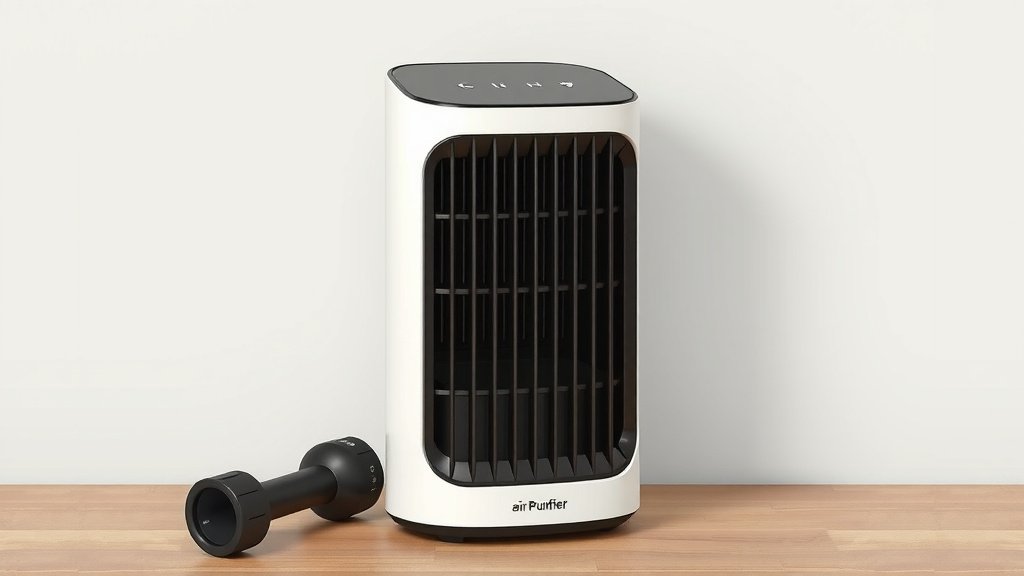
A portable air purifier works by drawing in dirty air from your room, cleaning it through a series of filters, and then releasing fresh, purified air back into your space. It’s like a tiny bodyguard for your lungs, constantly fighting off unwanted particles. Many models use a fan to pull air in, and then specialized filters trap everything from dust to allergens.
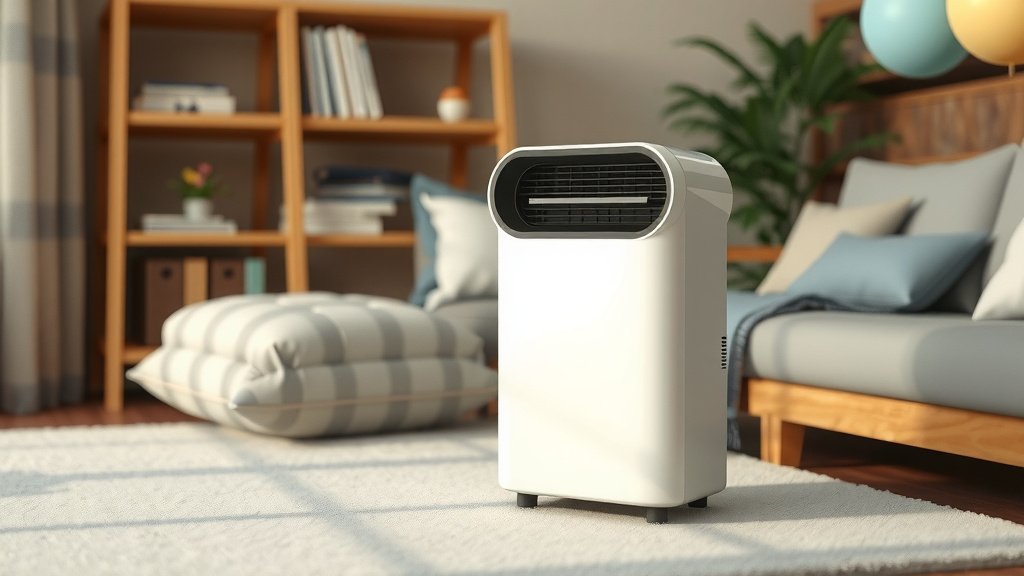
These handy devices are designed to tackle common indoor air pollutants. We found that they are particularly helpful for managing things like pet dander, pollen, and even smoke particles. By circulating and filtering your air, portable purifiers aim to create a healthier breathing environment right in your home or office. Their compact size makes them a great solution for smaller areas.
- Portable air purifiers clean your air using filters.
- They draw in dirty air and release fresh air.
- Common filters include HEPA and activated carbon.
- These filters trap dust, allergens, smoke, and odors.
- They help create a healthier breathing environment.
Ready to learn more about how these amazing gadgets keep your air clean? Let’s walk through the process step by step.
How Portable Air Purifiers Actually Clean Your Air
So, how does this magic happen? A portable air purifier is essentially a system designed to cycle and clean the air in your immediate environment. It uses a fan to pull in surrounding air, pushes it through a series of filters, and then releases cleaner air back into your room. We found that the core of this process lies in its multi-stage filtration.
The Journey of Air Through Your Purifier
Step 1: Air Intake – The Big Suck
Every portable air purifier starts with a fan. You’ll typically notice vents or openings on the unit. These are where the ambient air gets drawn into the device. Think of it like the purifier taking a deep breath. The strength of this fan, often measured in Cubic Feet per Minute (CFM), determines how quickly it can process the air in a given space. We found that a higher CFM generally means faster air cleaning.
Step 2: The Filtration Stages – The Cleaning Crew
Once the air is inside, it encounters the real heroes: the filters. Most portable purifiers use a combination of filters, each designed to capture different types of pollutants. We found that the most common setup includes a pre-filter, a HEPA filter, and an activated carbon filter, though some might have additional stages.
The Pre-Filter: The First Line of Defense
This is the outermost filter. Its main job is to catch the bigger particles. We’re talking about things like visible dust bunnies, pet hair, and larger debris. By trapping these upfront, it prevents them from clogging the more sensitive filters deeper inside. This pre-filter is often washable or can be vacuumed, which is a nice money-saver. Research indicates that a good pre-filter can extend the life of the other filters.
The HEPA Filter: The Particle Specialist
HEPA stands for High-Efficiency Particulate Air. This is where the serious particle removal happens. A true HEPA filter is designed to capture at least 99.97% of airborne particles that are 0.3 microns in size. What does that mean for you? It means it can trap incredibly small things like pollen, mold spores, bacteria, and dust mites. We found that for allergy sufferers, this filter is often the most important component. According to guidelines from organizations like the EPA, HEPA filters are highly effective at removing common allergens.
The Activated Carbon Filter: The Odor and Gas Catcher
This filter is your go-to for dealing with smells and volatile organic compounds (VOCs). Activated carbon is treated to be extremely porous, giving it a huge surface area. When air passes through it, VOCs and odor molecules stick to this surface. Think of it like a magnet for smells. This filter is great for tackling smoke odors, cooking smells, pet odors, and fumes from cleaning products or paint. We found that units with a thicker carbon filter tend to perform better at odor removal.
Step 3: Air Exhaust – Fresh Air Out!
After the air has made its way through all the filtration stages, it’s ready to be released. The fan pushes the newly purified air back out into your room. You’ll feel this as a gentle stream of clean air coming from the purifier. This continuous cycle of intake, filtration, and exhaust is what gradually improves the air quality in your space.
Understanding Filter Lifespans and Replacement
It’s important to remember that these filters don’t last forever. They get clogged with all the pollutants they’ve captured. How often you need to replace them depends on a few factors. These include the air quality in your home, how often you run the purifier, and the specific model you have. We found that most manufacturers recommend replacing HEPA and carbon filters every 6 to 12 months.
Ignoring filter replacement can actually make your purifier less effective. A clogged filter restricts airflow, forcing the fan to work harder and reducing the amount of clean air output. Some purifiers even have indicator lights to let you know when it’s time for a change. It’s a good idea to check your owner’s manual for specific recommendations.
The Role of Ionizers and UV-C Light (Optional Features)
Some portable air purifiers come with additional features beyond just filters. You might see ionizers or UV-C light components. We found that these can offer supplementary benefits, but it’s good to understand what they do.
Ionizers: Charging the Air
Ionizers work by releasing negative ions into the air. These ions attach themselves to airborne particles, giving them a small electrical charge. These charged particles then tend to clump together or stick to surfaces, like walls or furniture, making them easier to capture. Some research suggests ionizers can help remove fine particles. However, we found that it’s important to choose models that don’t produce ozone, as ozone can be a lung irritant (American Lung Association).
UV-C Light: A Germ Buster
UV-C light is a specific wavelength of ultraviolet light that can kill or inactivate microorganisms like bacteria and viruses. In an air purifier, the air passes over a UV-C bulb, which can help sanitize the air as it’s being filtered. We found that this feature is particularly appealing if you’re concerned about germs and sickness in your home. However, the effectiveness depends on how long the air is exposed to the UV-C light.
Key Components at a Glance
| Component | Primary Function | What It Catches |
|---|---|---|
| Fan | Air circulation | N/A (moves air) |
| Pre-Filter | Initial particle capture | Dust, pet hair, large debris |
| HEPA Filter | Fine particle capture | Pollen, mold spores, bacteria, dust mites |
| Activated Carbon Filter | Odor and gas absorption | Smoke, cooking odors, VOCs, pet smells |
| Ionizer (Optional) | Charges particles | Helps particles clump or stick |
| UV-C Light (Optional) | Microorganism inactivation | Bacteria, viruses |
Making Sure Your Purifier Works Best for You
To get the most out of your portable air purifier, consider these points:
- Place it in the room where you spend the most time.
- Ensure it’s the right size for the room’s square footage.
- Keep doors and windows closed while it’s running for best results.
- Follow the manufacturer’s instructions for filter replacements.
- Clean the pre-filter regularly if it’s washable.
- Avoid blocking the air intake or exhaust vents.
Conclusion
You’ve learned how portable air purifiers actively work to clean your personal space. They draw in air, pass it through essential filters like HEPA and activated carbon to trap pollutants, and then release fresh air back into your room. Remember, regular filter maintenance is key to keeping your purifier running at its best. Now that you understand the process, you’re well-equipped to choose and use a purifier that truly benefits your home’s air quality. Consider where you’ll use it most and check its sizing to make your purchase count!
Frequently Asked Questions
How often should I replace the filters in my portable air purifier?
Most manufacturers suggest replacing HEPA and activated carbon filters every 6 to 12 months. This timeframe can vary based on your home’s air quality and how often you run the unit. Always check your purifier’s manual for specific recommendations.
Can a portable air purifier completely eliminate all allergens from my home?
While a good portable air purifier, especially one with a HEPA filter, can significantly reduce allergens like pollen, dust mites, and pet dander, it may not eliminate them 100%. Consistent use and proper maintenance are important for managing allergen levels effectively.
What’s the difference between a HEPA filter and an activated carbon filter?
A HEPA filter is designed to capture tiny solid particles like pollen and dust. An activated carbon filter, on the other hand, uses a porous material to absorb gases, odors, and volatile organic compounds (VOCs) from the air.
Are air purifiers with ionizers safe to use?
Ionizers can be safe, but it’s important to choose models that produce little to no ozone. Ozone can be a lung irritant, so look for purifiers that have been certified by reputable organizations for ozone emissions.
Do portable air purifiers use a lot of electricity?
Generally, portable air purifiers are designed to be energy-efficient. Their electricity consumption is comparable to that of a small appliance, and the cost is usually minimal, especially when you consider the benefit of cleaner air.