Filter vs Filterless Air Purifier: Which is Best For You
Navigating the world of air purifiers in 2026 means weighing convenience against upkeep. The core decision boils down to whether you prioritize minimizing filter fuss or are prepared for a different kind of maintenance. Filterless models promise a hands-off approach, sidestepping those dreaded filter swaps, but it’s worth understanding the unique cleaning mechanisms they employ and their own set of considerations.
Think of it like this: do you prefer swapping out a dirty sock or cleaning a washable one? Both get the job done, but the method matters for convenience and ongoing expenses. We’ve researched how these systems work to help you decide which is the best fit for your home.
- Filterless models avoid buying replacement filters.
- Traditional filter models trap particles on a physical filter.
- Filterless tech might use UV light or electrostatic methods.
- Consider the cleaning effort and energy use for each.
Let’s break down the key differences between filter and filterless air purifiers to help you make the smartest choice for your clean air needs.
Understanding Air Purifier Technologies: Filtered vs. Filterless
When you’re looking to improve your home’s air quality, you’ll quickly notice two main types of air purifiers: those that use filters and those that don’t. Both aim to remove pollutants, but they go about it in very different ways. We’ve researched how these systems work to help you decide which is the best fit for your home.
How Traditional Filter Air Purifiers Work
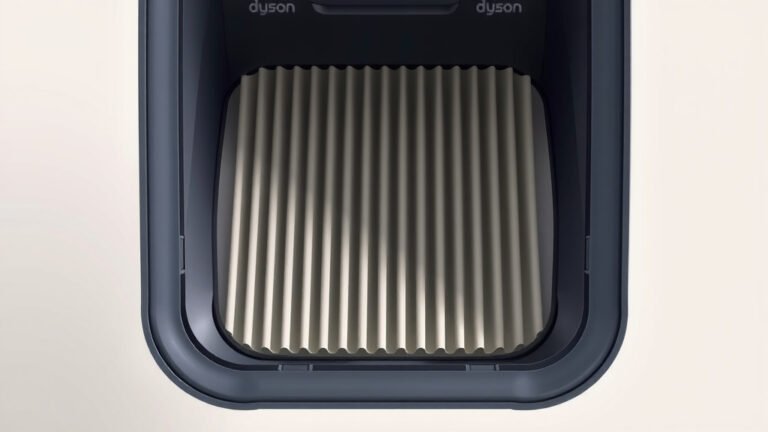
These are the purifiers you’re probably most familiar with. They rely on physical filters to trap airborne particles. Think of it like a really fine sieve for your air. As air is drawn into the unit, it passes through one or more layers of filter material.
The Role of HEPA Filters
The gold standard for these purifiers is often a HEPA filter. HEPA stands for High-Efficiency Particulate Air. According to the U.S. Department of Energy, a true HEPA filter must capture at least 99.97% of particles that are 0.3 microns in diameter. This includes common allergens like dust mites, pollen, pet dander, and mold spores.
Pre-filters and Activated Carbon
Many filter purifiers also include a pre-filter. This layer catches larger particles like hair and lint first, which helps to extend the life of the main HEPA filter. You’ll also often find an activated carbon filter. This material is excellent at absorbing odors and gases, such as those from cooking, smoke, or volatile organic compounds (VOCs) from cleaning products and furniture.
How Filterless Air Purifiers Work
Filterless air purifiers take a different approach. Instead of trapping particles on a disposable filter, they use technologies that either neutralize or collect pollutants. This means you won’t have to worry about buying replacement filters, which is a big selling point for many.
Ionizers and Their Mechanism
One common filterless technology is an ionizer. Ionizers release negatively charged ions into the air. These ions then attach themselves to airborne particles like dust and pollen. When these charged particles become heavier, they tend to fall to the ground or stick to surfaces. You may still need to wipe down surfaces more often.
It’s worth noting that some older ionizer technologies were found to produce ozone as a byproduct. Ozone can be a lung irritant. Many modern ionizers are designed to produce very little, if any, ozone, and reputable sources like the EPA advise caution with ozone-generating air cleaners.
UV-C Light for Sterilization
Another filterless method uses UV-C light. This is a type of ultraviolet light that can kill or inactivate microorganisms like bacteria and viruses. The air passes by a UV lamp inside the purifier, and the light damages the DNA of these tiny organisms, preventing them from multiplying. This technology is most effective when the air exposure time to the light is sufficient.
Electrostatic Precipitators Explained
Electrostatic precipitators work a bit like ionizers but are designed to collect the particles. They use an electrical charge to remove particles from the air. As air passes through, particles are given an electric charge. Then, these charged particles are attracted to oppositely charged collection plates. These plates need to be cleaned periodically.
Comparing the Two Types: What You Need to Know
Now that you understand the basic technologies, let’s look at how they stack up in terms of day-to-day use, cost, and effectiveness.
Maintenance and Convenience
This is often the biggest differentiator. With a filter air purifier, you have a recurring task: changing the filters. Depending on the model and your air quality, you might need to replace HEPA filters every 6-12 months and carbon filters more often. This can be a bit messy and adds to the ongoing cost.
Filterless purifiers generally boast easier maintenance. For ionizers and UV-C models, maintenance might involve occasional cleaning of the unit or replacing the UV bulb after a few years. For electrostatic precipitators, you’ll need to regularly wash the collection plates. It’s a different kind of chore but avoids buying new filters.
Long-Term Costs and Efficiency
The initial purchase price of filterless air purifiers can sometimes be higher. However, they can save you money over time by eliminating the need to buy replacement filters. The cost of filters can add up significantly, especially for larger units or those with multiple filter stages.
You should also consider the energy consumption. Both types use electricity, but the specific technology can influence usage. For example, UV-C lamps are always on when the purifier is running. Ionizers and electrostatic precipitators use electricity to generate their charges.
Effectiveness and Potential Downsides
Traditional HEPA filters are highly effective at capturing a wide range of airborne particles. They are a well-established technology trusted for removing allergens and fine dust. Their main downside is the ongoing cost and effort of filter replacement.
Filterless technologies have their own considerations. As mentioned, some ionizers can produce ozone, which is a concern for respiratory health (American Lung Association). While many modern units are designed to minimize this, it’s something to research for specific models. UV-C light is effective against microorganisms but may not capture particulate matter as efficiently as a HEPA filter. Electrostatic precipitators can be effective, but if not cleaned regularly, their performance can drop, and they may also produce ozone.
Environmental Impact
Consider the environmental footprint of each type. Filter purifiers generate waste from used filters that need to be disposed of. While some filters might be recyclable, many end up in landfills. Filterless purifiers avoid this waste stream. However, they may have components that need eventual replacement (like UV bulbs) or use electricity which has its own environmental considerations.
Making Your Choice: A Quick Checklist
To help you decide, ask yourself these questions:
- How much are you willing to spend on ongoing filter costs?
- How much effort are you willing to put into maintenance?
- Are you primarily concerned with allergens and dust, or also odors and germs?
- Are you concerned about potential ozone production?
- Do you prefer a set-it-and-forget-it approach (with periodic filter changes) or a hands-on cleaning approach?
Ultimately, the best air purifier for you depends on your personal priorities regarding maintenance, cost, and the specific air quality issues you want to address in your home.
Conclusion
Deciding between a filter and filterless air purifier boils down to your personal preferences for maintenance and cost. If you prioritize capturing the smallest particles and don’t mind regular filter replacements, a traditional HEPA filter model is your best bet. On the other hand, if you want to skip buying filters and prefer washing components, a filterless option might suit you better. Just remember to research specific filterless technologies for potential ozone production and effectiveness against different pollutants. Take a moment to weigh your budget, your tolerance for chores, and what you most want to clean from your air, and then confidently choose the system that will help you breathe easier at home.
Frequently Asked Questions
Are filterless air purifiers truly maintenance-free?
No, filterless air purifiers are not entirely maintenance-free. While they eliminate the need to buy and replace physical filters, they still require cleaning. Technologies like electrostatic precipitators need their collection plates washed regularly, and ionizers or UV-C models may need occasional wiping down or bulb replacement.
Which type of air purifier is better for allergies?
For allergy sufferers, traditional air purifiers with true HEPA filters are generally considered more effective. HEPA filters are proven to capture at least 99.97% of microscopic particles like pollen, dust mites, and pet dander that often trigger allergy symptoms.
Can filterless air purifiers produce ozone?
Some filterless technologies, particularly older ionizer models, can produce ozone as a byproduct. Ozone is a lung irritant. While many modern filterless purifiers are designed to minimize or eliminate ozone production, it’s essential to check product specifications and reputable reviews regarding this safety concern.
How often do I need to clean a filterless air purifier?
The cleaning frequency for filterless air purifiers varies by technology. Electrostatic precipitators typically need their collection plates cleaned every few weeks to maintain efficiency. Ionizers and UV-C units might need light cleaning or dusting of components more periodically, perhaps every 1-3 months, depending on usage and air quality.
Which option is more cost-effective in the long run?
Filterless air purifiers can be more cost-effective over the long term because they eliminate the recurring expense of replacement filters. While their initial purchase price might be higher, the savings on filters can add up significantly, especially for larger homes or units with multi-stage filtration systems.