How Charcoal Purifies Air: The Science Explained
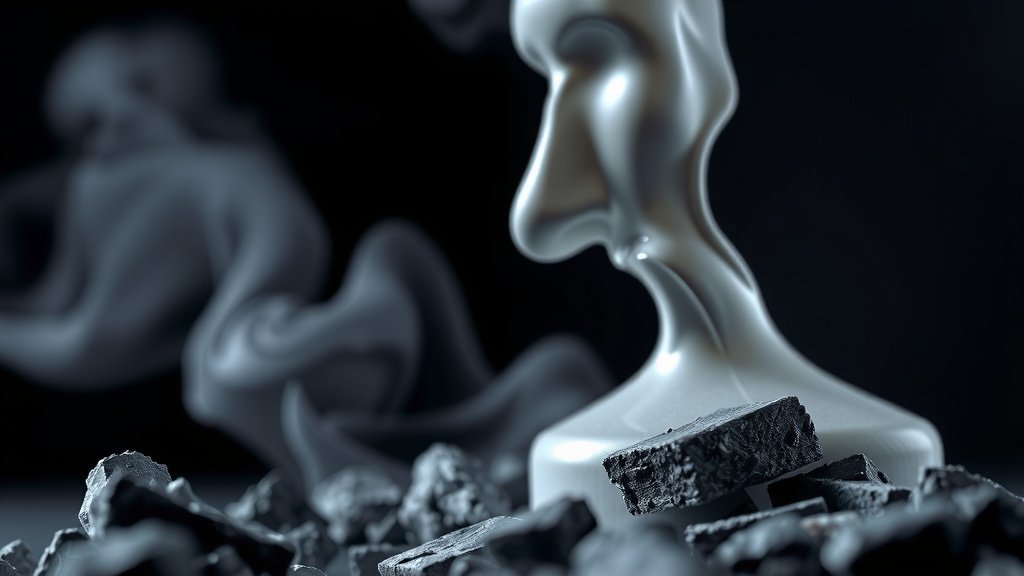
Charcoal purifies air primarily through a process called adsorption. Tiny pores in the charcoal create a massive surface area that attracts and traps airborne pollutants and odors. This natural material acts like a microscopic sponge for the air around you.
When you hear about charcoal air purifiers, it’s usually referring to activated charcoal. This form has been treated to increase its porosity, making it incredibly effective at capturing molecules. It’s a simple yet powerful way to improve your indoor air quality.
- Charcoal purifies air by trapping pollutants and odors.
- This process is called adsorption.
- Activated charcoal has a very large surface area.
- It effectively captures tiny molecules from the air.
Ready to breathe a little easier? Let’s walk through exactly how this amazing natural purifier works its magic.
Understanding How Charcoal Cleans Your Air
You’re probably curious about the magic behind charcoal’s ability to freshen up your indoor air. It’s a pretty simple process, really. Your charcoal air purifier works by trapping tiny particles and unwanted molecules that float around in your home. Think of it as a microscopic cleaning crew for your air.
The Science of Adsorption Explained
The main way charcoal cleans your air is through a process called adsorption. This isn’t the same as absorption. Absorption is when something soaks into another material, like a sponge soaking up water. Adsorption is different. It’s when molecules stick to the outside surface of a material.
Charcoal has a unique structure. It’s full of tiny little holes and crevices. These holes create an incredibly large surface area. We’re talking about a huge amount of space on a very small scale. This vast surface area is what makes charcoal so good at its job. It’s like having millions of tiny sticky traps for airborne gunk.
Activated Charcoal: The Superpower
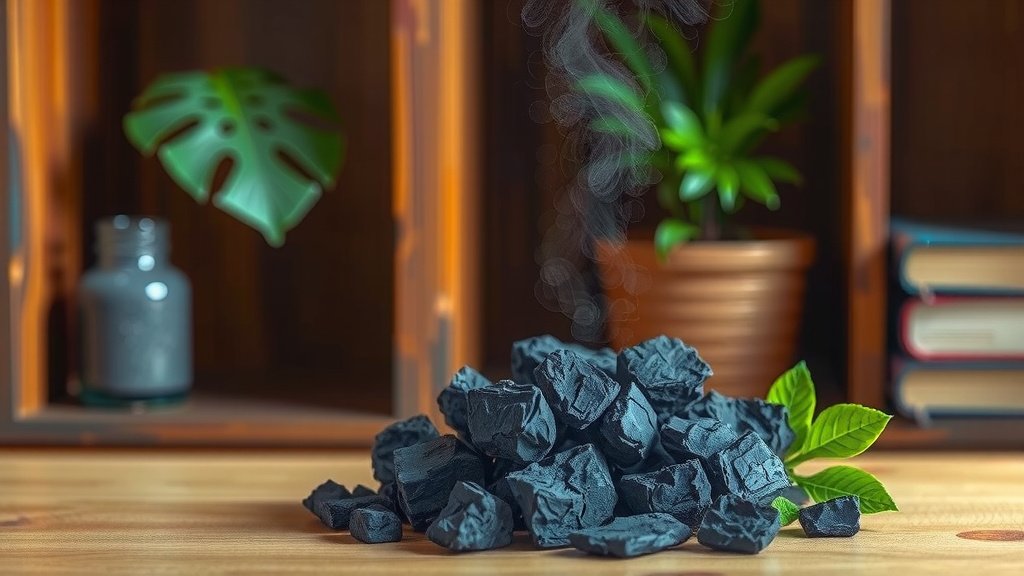
When we talk about charcoal for air purification, it’s almost always activated charcoal. This isn’t just any old lump of charcoal. It’s been specially treated. This treatment increases its pore size and surface area even more. This process makes it far more effective than regular charcoal.
Manufacturers create activated charcoal by heating regular charcoal. They do this without oxygen. This process expands the internal structure. It creates even more tiny pockets and channels. The result is a material that can hold a lot more pollutants. It’s the superpower behind your air purifier.
What Kind of Pollutants Does it Capture?
Activated charcoal is a master at grabbing onto a variety of airborne irritants. It’s particularly good with odors. That’s why you often see it in refrigerators or litter box filters. But it does more than just mask smells. It actively removes the molecules causing them.
It can capture volatile organic compounds (VOCs). These are gases released from paints, cleaning supplies, and even furniture. Think of that “new car smell” or the strong scent after painting a room. Activated charcoal can help reduce those. It also traps other small molecules like formaldehyde and benzene. These are common indoor air pollutants (Environmental Protection Agency).
Common Odors It Tackles
Have you ever walked into a room and just known something was there? Maybe it was last night’s dinner lingering. Or perhaps your furry friend left their mark. Charcoal can help with that!
- Food smells
- Pet odors
- Smoke (from cooking or cigarettes)
- Musty smells from dampness
- Chemical fumes
Gases and VOCs Removed
Beyond odors, activated charcoal acts as a chemical sponge for your air. It grabs onto harmful gases. This can make a big difference in your home’s air quality. You might not see these, but you can breathe the difference.
- Formaldehyde
- Benzene
- Toluene
- Xylene
- Various other VOCs
How Does Activated Charcoal Become So Effective?
You might be wondering what makes this charcoal so special. It’s all about its surface area and how it interacts with air molecules. Let’s break down the key features that give activated charcoal its cleaning power.
The Incredible Surface Area
Imagine unrolling a piece of paper. Now imagine crumbling it up. The crumbled paper takes up less space, but it still has the same amount of surface. Activated charcoal is like that, but on a microscopic level. Its treatment creates a vast internal surface area.
One gram of activated charcoal can have a surface area of 500 to 1,000 square meters. That’s like having the surface area of a football field packed into a tiny amount of charcoal. This massive surface is where the action happens. All those pollutant molecules have plenty of places to stick.
Electrostatic Attraction: A Gentle Grab
It’s not just about having a big surface. The way charcoal attracts pollutants is also key. Activated charcoal has a negative electrical charge. Many common air pollutants have a positive charge.
Opposite charges attract. This natural attraction pulls pollutant molecules towards the charcoal’s surface. It’s like a gentle magnet for bad air. Once a molecule gets close enough, it sticks. This electrostatic attraction is a powerful force for cleaning your air.
Pore Size Matters
Activated charcoal isn’t just one big porous sponge. It has different sizes of pores. These range from very large to incredibly small micropores.
Larger pores can grab bigger molecules, like some odor-causing compounds. The smaller micropores are perfect for trapping tiny molecules, like certain gases and VOCs. This variety of pore sizes allows activated charcoal to capture a wide range of airborne contaminants. It’s a versatile cleaner.
Comparing Charcoal Purification to Other Methods
You might be wondering how charcoal stacks up against other ways to clean your air. Many air purifiers use different technologies. Activated charcoal is a natural and effective option for many common issues.
Charcoal vs. HEPA Filters
HEPA filters are excellent at capturing solid particles. Think dust, pollen, pet dander, and mold spores. They work by physically trapping these particles in a dense filter material.
Activated charcoal, on the other hand, excels at removing gases, odors, and VOCs. It doesn’t really capture tiny solid particles as effectively as a HEPA filter. Many high-quality air purifiers use both HEPA filters and activated charcoal. This combination offers the best of both worlds: particle removal and gas/odor elimination.
Charcoal vs. Electronic Air Cleaners
Electronic air cleaners, like ionizers and electrostatic precipitators, use electrical charges to capture particles. They can be effective at removing fine dust and smoke.
However, some electronic cleaners can produce ozone as a byproduct. Ozone is a lung irritant. Activated charcoal purifiers do not produce ozone. They also don’t rely on electrical charges to function, making them a simpler, safer choice for many people, especially those with respiratory sensitivities (American Lung Association).
When to Choose Charcoal for Your Air
Activated charcoal is a fantastic choice when your main concerns are:
- Lingering odors from cooking, pets, or smoke.
- Chemical smells from new furniture, paint, or cleaning products.
- A desire for a natural purification method that doesn’t produce ozone.
- A need to complement a HEPA filter for complete air cleaning.
Your Quick Checklist for Cleaner Air
Want to make sure you’re getting the most out of your charcoal purifier? Here are a few quick tips:
- Ensure it’s Activated: Always look for “activated charcoal” for air purification.
- Check the Amount: More charcoal generally means better performance.
- Replace Regularly: The pores get filled over time; replace filters as recommended.
- Consider a Combo Unit: Pair with a HEPA filter for ultimate air quality.
- Proper Placement: Give your purifier room to breathe and circulate air.
- Ventilate: Don’t forget to open windows when you can for fresh air exchange.
Conclusion
You’ve learned that activated charcoal is a champion at cleaning your air through adsorption. Its incredible surface area and unique pore structure work together to trap odors, VOCs, and gases. Unlike some other methods, it does this without producing harmful ozone. For persistent smells or chemical fumes, activated charcoal is a natural and effective solution. It’s a fantastic addition to your home’s air quality strategy, especially when paired with a HEPA filter. Ready to breathe fresher air? Consider adding a charcoal-based purifier to your home today and experience the difference for yourself.
Frequently Asked Questions
How often should I replace charcoal air filters?
You’ll need to replace your charcoal air filters periodically. This is because the pores in the charcoal eventually become saturated with pollutants. Most manufacturers recommend replacement every 3 to 6 months. Always check your purifier’s manual for specific guidance on replacement schedules.
Can charcoal filters remove smoke smell from cigarettes?
Yes, activated charcoal is very effective at removing smoke odors. It works by adsorbing the tiny molecules responsible for the smell. While it can significantly reduce lingering smoke odors, very heavy or persistent smoke might require a unit with a substantial amount of activated charcoal or frequent filter changes.
Does charcoal purification remove allergens like dust and pollen?
Activated charcoal primarily targets gases, odors, and VOCs. It’s not the best at trapping solid particles like dust, pollen, or pet dander. For those, a HEPA filter is much more effective. Many air purifiers combine both charcoal and HEPA filters for complete air cleaning.
Is activated charcoal safe for pets and children?
Activated charcoal air purifiers are generally very safe. They do not produce ozone, which can be harmful to respiratory systems. The charcoal itself is non-toxic. Just be sure to keep the filters out of reach of pets or small children to prevent accidental ingestion.
How much activated charcoal do I need for my room size?
The amount of activated charcoal needed depends on the size of your room and the severity of your air quality concerns. Larger rooms or rooms with more significant odor or VOC issues will require purifiers with more activated charcoal. Check the product specifications for coverage area recommendations.