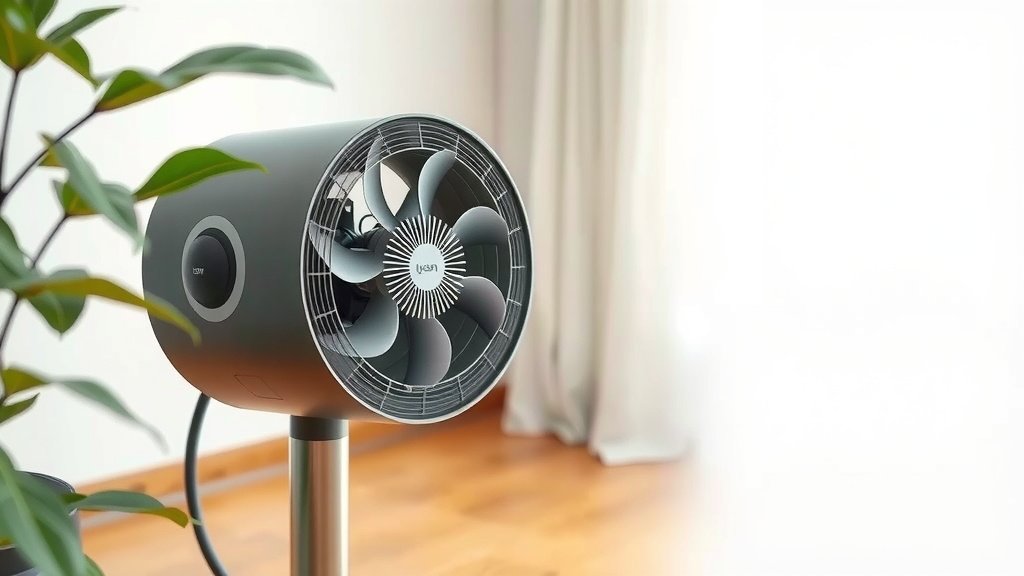
How Dyson Fans Purify Air: The Science Explained
A Dyson fan purifies air by actively capturing pollutants and then dispersing clean air. It uses a powerful filtration system to trap tiny particles. These fans are designed to tackle a wide range of airborne contaminants, creating a healthier environment in your home. You can count on them to make a real difference in your air quality.
Beyond just cooling, your Dyson fan acts as a high-performance air purifier. It effectively removes allergens like pollen and dust. It also targets microscopic particles such as smoke and pet dander. Many experts agree that this dual functionality is what sets these appliances apart, offering both comfort and cleaner air. You’ll breathe easier knowing what’s in your air.
- Dyson fans purify air using advanced filtration.
- They capture tiny particles like allergens and smoke.
- The purification process works alongside cooling or heating.
- This creates a healthier and more comfortable living space.
Let’s walk through exactly how your Dyson fan achieves this impressive air purification, step by step.
You might be wondering how your sleek Dyson fan goes from just circulating air to actively cleaning it. It’s a pretty neat process, and it all comes down to a few key technologies working together.
Understanding Your Dyson Fan’s Air Purification Mechanism
Your Dyson fan purifies the air through a sophisticated system of filtration and airflow. It’s designed to capture a wide range of airborne particles. This ensures the air you breathe indoors is cleaner and healthier.
The Multi-Stage Filtration Process
The magic starts with the filters. Dyson fans use a combination of filter types to trap different kinds of pollutants. This multi-stage approach is key to their effectiveness.
HEPA Filtration: The First Line of Defense
First, there’s the HEPA filter. Think of this as a super-fine sieve for the air. It’s designed to capture 99.97% of particles as small as 0.3 microns. This includes common allergens like pollen, dust mites, and pet dander. Research shows HEPA filters are highly effective at removing these microscopic irritants (CDC).
Activated Carbon: Tackling Odors and Gases
Next up is the activated carbon layer. This material is porous and has a massive surface area. It’s excellent at adsorbing gases, volatile organic compounds (VOCs), and odors. Things like cooking smells, smoke from a candle, or even fumes from cleaning products can be trapped here. This layer helps to neutralize unpleasant smells.
The Complete Seal: Preventing Pollutants from Escaping
A critical part of Dyson’s design is their “fully-sealed HEPA filtration.” This means the entire unit, from the air intake to the airflow outlet, is sealed. No air can bypass the filters. This prevents captured pollutants from leaking back into your room. It ensures all the air that passes through is actually cleaned.
How Air Actually Enters and Exits the Fan
It’s not just about the filters; how the air moves through the fan is just as important. Dyson fans utilize powerful motors and specific airflow patterns to achieve their purification goals.
Air Intake: Drawing in the Contaminated Air
Your Dyson fan draws air in from all around. It doesn’t just suck air from one spot. This wider intake ensures it captures pollutants from various parts of the room. The strong internal fan pulls this air through the filtration system efficiently.
Airflow: Dispersing Clean Air Effectively
Once the air has passed through the filters, it’s expelled back into your room. Dyson’s bladeless technology, often referred to as Air Multiplier™ technology, is crucial here. It amplifies the air, creating a smooth, powerful stream. This ensures the purified air is circulated effectively throughout your space. It’s designed to reach more areas of your room.
What Exactly Is Your Dyson Fan Capturing?
Knowing what your Dyson fan removes from the air can really highlight its benefits for your home. It goes beyond just dust.
Common Allergens and Irritants
Many people use Dyson purifiers to combat seasonal allergies. The HEPA filter is particularly good at trapping things like:
- Pollen
- Dust mites
- Pet dander
- Mold spores
Microscopic Pollutants and Odors
Beyond allergens, Dyson fans tackle even smaller threats. These include:
- Bacteria
- Viruses (some strains, depending on particle size)
- Smoke particles (from cooking or tobacco)
- VOCs (from paints, cleaning supplies, furniture off-gassing)
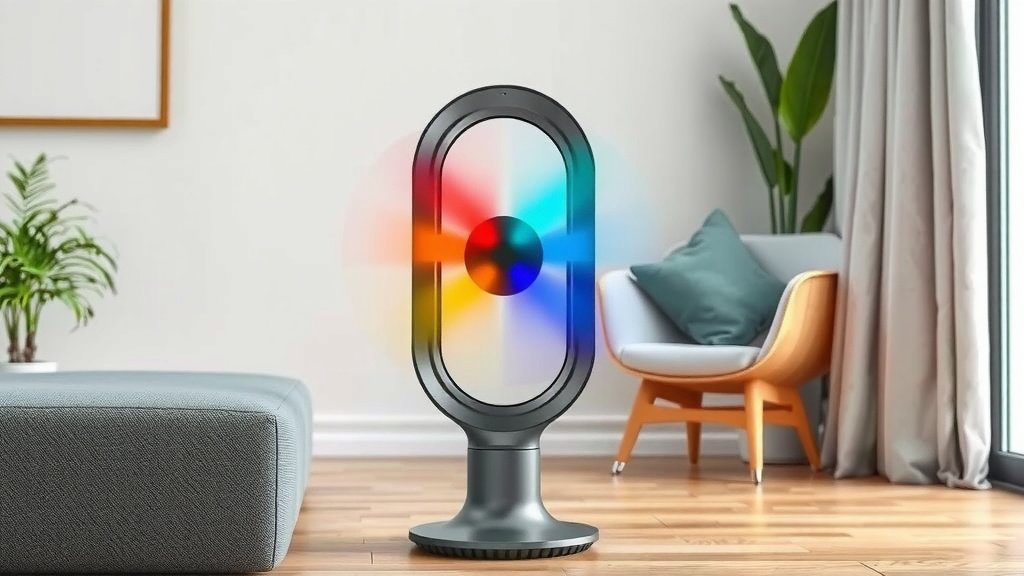
Dyson’s Purification Technology in Action: A Simplified View
Let’s visualize the process in your fan. It’s like a highly efficient air-cleaning cycle.
Imagine your room’s air has tiny invisible particles and some not-so-pleasant smells. Your Dyson fan acts like a vigilant guardian. It gently but firmly pulls this air into its base. As the air travels through the carefully layered filters – the HEPA catching the solids and the carbon catching the gases – it gets thoroughly cleaned. Finally, the fan expels this newly purified air back into your room, circulating it widely. This cycle repeats continuously, cleaning the air in your living space over time.
Here’s a quick checklist to remember the key steps:
- Air is drawn into the base.
- It passes through a HEPA filter to trap tiny particles.
- Then, it moves through an activated carbon filter for gases and odors.
- The sealed system ensures no pollutants escape.
- Clean air is projected back into the room.
- This cycle runs continuously to maintain air quality.
Conclusion
You now understand how your Dyson fan actively cleans the air in your home. It uses a smart, multi-stage filtration system with HEPA and activated carbon filters. This process captures allergens, odors, and tiny pollutants. The sealed design ensures all air is purified before being circulated. You’re getting both comfort and cleaner air, which can make a real difference in your daily life. The next step is to check your filters regularly to ensure your Dyson continues to perform at its best and keep your air fresh.
Frequently Asked Questions
Do I need to replace Dyson fan filters?
Yes, you will need to replace your Dyson fan’s filters periodically. The frequency depends on usage and environmental conditions. Your Dyson machine will usually alert you when it’s time for a replacement. Keeping filters clean ensures optimal purification performance.
Can a Dyson fan really get rid of pet dander?
Absolutely. The HEPA filter in your Dyson fan is highly effective at capturing tiny particles like pet dander. It can trap 99.97% of particles as small as 0.3 microns. This helps reduce airborne allergens from your pets, offering relief for allergy sufferers.
How does the activated carbon filter work?
The activated carbon filter has a porous structure with a large surface area. This allows it to adsorb gases, volatile organic compounds (VOCs), and odors. It effectively neutralizes smells from cooking, smoke, or cleaning products. This leaves your home smelling fresher.
Will a Dyson fan help with smoke from wildfires?
Yes, Dyson fans can help reduce smoke particles from wildfires. The HEPA filter is designed to capture fine particulate matter, including smoke. The activated carbon filter can also help with some of the associated odors. This can improve indoor air quality during smoky conditions.
Is the whole Dyson unit sealed for purification?
Yes, Dyson fans feature a fully-sealed filtration system. This means that the entire unit is designed to prevent air from bypassing the filters. From the moment air enters to when it’s expelled, it passes through the HEPA and carbon filters. This guarantees that all the air you breathe has been purified.