Air Purifiers: Your Asthma Relief Solution
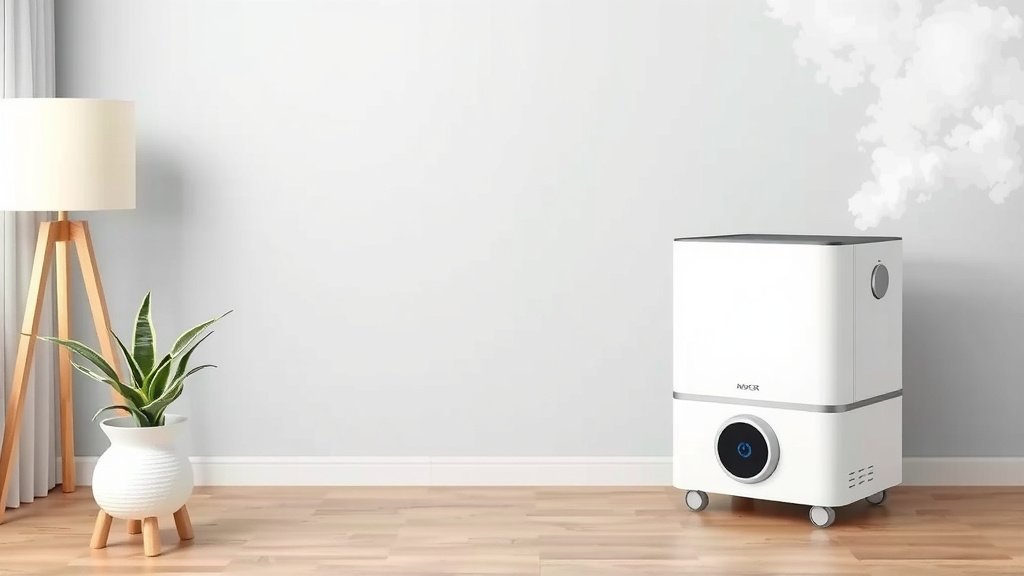
Yes, an air purifier can significantly help with asthma by removing common triggers from your indoor air. It works by filtering out things like **dust mites**, **pet dander**, and **pollen**. This can lead to fewer asthma flare-ups and make breathing easier for you.
When you have asthma, airborne irritants can cause a lot of trouble. An air purifier acts like a diligent cleaner for your air. It captures tiny particles that might otherwise set off your asthma symptoms, creating a **healthier breathing environment** in your home. Many find this a **very helpful tool**.
- Air purifiers capture asthma triggers.
- They remove dust, dander, and pollen.
- This can mean fewer asthma attacks.
- It helps create cleaner indoor air.
- Look for HEPA filters for best results.
Let’s walk through exactly how an air purifier can make a difference for your asthma. We’ll cover what to look for and how it all works.
How Air Purifiers Can Ease Your Asthma Symptoms
You might be wondering how a simple machine can make such a difference for your asthma. Think of an air purifier as your personal air bodyguard. It works by actively cleaning the air you breathe indoors. This is super important because asthma flare-ups are often triggered by things floating around in your home. By removing these triggers, an air purifier can help create a calmer environment for your lungs. Research and guidelines often suggest improving indoor air quality as a key strategy for asthma management (CDC).
Understanding Your Asthma Triggers
Before we dive into how purifiers work, let’s quickly touch on common asthma triggers. These are the microscopic enemies that can make breathing tough. They include things like dust mites, which love cozy, humid places like bedding and carpets. Then there’s pet dander – those tiny skin flakes pets shed. Pollen that drifts in from outside also causes problems for many. Even mold spores and smoke particles can set off an asthma attack. These irritants are often too small to see, but they can have a big impact on your breathing.
The Mechanics: How Air Purifiers Clean Your Air
So, how exactly does this magic happen? An air purifier draws in air from your room. Inside, it passes through a series of filters. Each filter is designed to catch different types of particles. This process is like a deep clean for your air. It doesn’t just circulate air; it actively traps and removes pollutants. We found that this continuous cleaning action is key to reducing your exposure to triggers.
The Role of HEPA Filters
When you’re looking for an air purifier, you’ll hear a lot about HEPA filters. This stands for High-Efficiency Particulate Air. A true HEPA filter is designed to capture at least 99.97% of airborne particles that are 0.3 microns in size. That’s incredibly small! Many common asthma triggers, like dust mites, pollen, and pet dander, are larger than this. This means a HEPA filter is highly effective at trapping them. Many asthma and allergy organizations recommend air purifiers with HEPA filters (Asthma and Allergy Foundation of America).
Beyond HEPA: Other Filter Types
While HEPA filters are the stars for particle removal, some air purifiers have additional filters. Activated carbon filters, for instance, are great at absorbing odors and gases. This can be helpful if you’re sensitive to smoke, cooking smells, or chemical fumes. Some purifiers also include pre-filters, which catch larger particles like hair. This helps protect the main HEPA filter and extends its lifespan. It’s like a multi-stage defense system for your air.
Targeting Specific Asthma Triggers with Air Purifiers
Let’s break down how purifiers tackle those specific triggers we talked about:
- Dust Mites: Air purifiers capture dust mite allergens from the air. This reduces your exposure, especially in bedrooms where dust mites are common.
- Pet Dander: If you have furry friends, pet dander is likely a concern. An air purifier can trap these tiny protein particles, making your home more comfortable.
- Pollen: Pollen counts can soar during certain seasons. Air purifiers help keep that outdoor pollen from becoming an indoor problem.
- Mold Spores: If mold is an issue in your home, air purifiers can help capture mold spores floating in the air, preventing their spread.
- Smoke and VOCs: For those sensitive to smoke or volatile organic compounds (VOCs) from cleaning products or paints, a purifier with an activated carbon filter can be very beneficial.
Choosing the Right Air Purifier for Your Needs
Not all air purifiers are created equal, especially when it comes to managing asthma. Making the right choice ensures you get the most benefit for your health. You want a machine that is effective and safe for your living space.
Key Features to Look For
When you’re shopping, keep these features in mind:
- True HEPA Filter: As we discussed, this is non-negotiable for capturing fine particles.
- Appropriate Room Size Coverage: Air purifiers have a Clean Air Delivery Rate (CADR) which indicates how quickly they clean a room. Make sure the unit is rated for the square footage of the room you intend to use it in. A unit that’s too small won’t be effective.
- Low Noise Level: Especially for bedrooms, a quiet unit is important for good sleep.
- Ease of Maintenance: You’ll need to clean or replace filters. Look for models where this is straightforward.
- No Ozone Production: Some older or cheaper purifiers can produce ozone as a byproduct, which can actually irritate the lungs and worsen asthma. Look for ozone-free certifications. Experts caution against ozone-generating devices for asthma sufferers (American Lung Association).
Understanding CADR Ratings
CADR stands for Clean Air Delivery Rate. It’s a measure of how efficiently an air purifier filters specific pollutants. You’ll usually see three CADR ratings: dust, pollen, and smoke. A higher CADR number means the purifier cleans the air faster. It’s important to match the purifier’s CADR to the size of your room. A general rule of thumb is that the CADR should be at least two-thirds of the room’s square footage. For example, for a 150 sq ft room, a CADR of 100 would be suitable.
Placement Matters! Where to Put Your Purifier
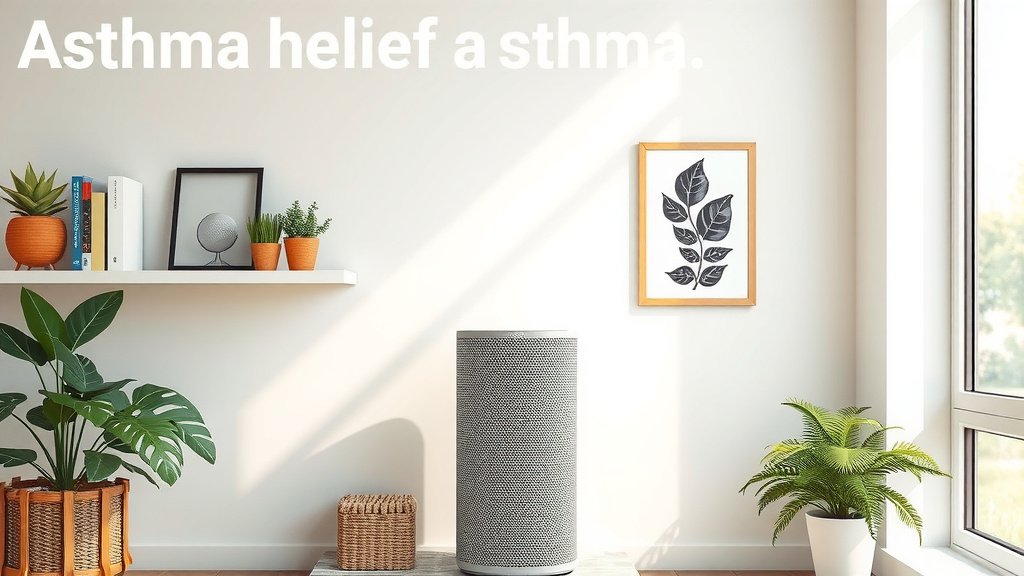
Where you place your air purifier can impact its effectiveness. For optimal results, place it in the room where you spend the most time. This is often your bedroom. Ensure there’s enough space around the unit for air to flow in and out freely. Avoid placing it right against a wall or behind furniture. This allows the purifier to draw in air from all directions and clean it efficiently.
A Simple Checklist for Better Air
Ready to take action? Here’s a quick checklist to help you:
- Confirm your air purifier has a True HEPA filter.
- Check that the purifier is rated for the size of your room.
- Position the purifier in a way that allows for good air circulation.
- Schedule regular filter checks and replacements.
- Ensure the unit is ozone-free.
- Clean the area around your purifier regularly.
Making a Difference: The Impact on Your Well-being
Using an air purifier can lead to noticeable improvements in your daily life if you have asthma. Many people report experiencing fewer asthma symptoms. This can mean less coughing, wheezing, and shortness of breath. It can also translate to fewer emergency room visits or unscheduled doctor’s appointments. Breathing cleaner air can simply make you feel better and more energetic. Research has indicated that improved indoor air quality can lead to better asthma control (NIH).
Consistency is Key
For an air purifier to be most effective, it needs to run consistently. Continuous operation means the air in your home is always being filtered. This prevents triggers from building up again after a cleaning cycle. While you might turn it off to save energy, turning it back on before you need it is important. Think of it like keeping a filter running in your home’s lungs. It’s a constant effort for better health.
Conclusion
You now have a clear picture of how an air purifier can be a powerful ally in managing your asthma. By actively removing common triggers like dust, dander, and pollen, these devices create a cleaner, healthier breathing space in your home. This proactive step can lead to fewer flare-ups and improve your overall well-being. Remember to choose a unit with a True HEPA filter and consider its coverage for your room size. Make cleaner air a consistent part of your asthma management plan by running your purifier regularly and maintaining its filters.
Frequently Asked Questions
Can an air purifier completely eliminate my asthma symptoms?
An air purifier is designed to reduce asthma triggers in your air, which can significantly lessen symptoms. However, it’s not a cure. Your asthma management plan likely includes other strategies recommended by your doctor, and an air purifier works best as part of that overall approach.
How often should I run my air purifier for asthma?
For the best results, it’s recommended to run your air purifier consistently, ideally 24/7, especially in the room where you spend the most time, like your bedroom. This continuous operation prevents triggers from accumulating and helps maintain cleaner air quality throughout the day and night.
Are air purifiers safe for children with asthma?
Yes, air purifiers with True HEPA filters and that are ozone-free are generally safe and beneficial for children with asthma. They help reduce exposure to airborne irritants that can trigger breathing difficulties. Always ensure the unit is placed safely out of reach of very young children.
What is the most important feature to look for in an air purifier for asthma?
The True HEPA filter is the most critical feature. Research and medical recommendations consistently point to True HEPA filters as being essential because they can capture at least 99.97% of airborne particles down to 0.3 microns, which includes many common asthma triggers like dust mites, pet dander, and pollen.
Can an air purifier help with mold allergies that affect asthma?
Yes, an air purifier can help by capturing mold spores that are circulating in the air. While it won’t address the source of mold growth, reducing airborne spores can lessen your exposure and potentially help manage asthma symptoms triggered by mold allergies.