How Air Purifiers Work to Clean Your Air
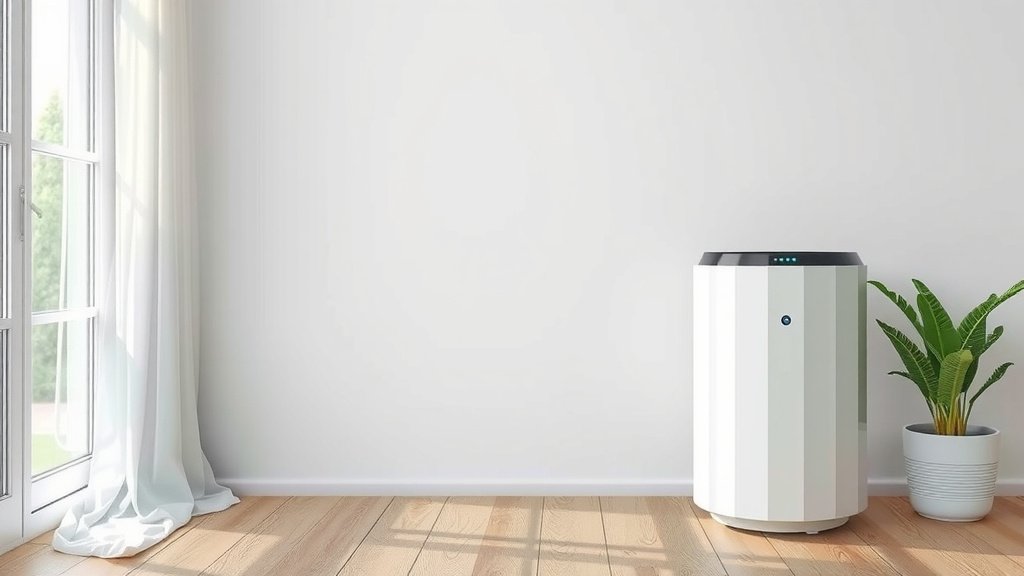
An air purifier cleans your air by drawing polluted air in and passing it through a series of filters. These filters trap particles like dust, pollen, pet dander, and smoke. Essentially, it’s like a sophisticated vacuum cleaner for your air, leaving you with fresher, cleaner air to breathe.
Beyond just filtering, some purifiers also use technologies like activated carbon to tackle odors and volatile organic compounds (VOCs). We found that the type of filter matters greatly for what pollutants an air purifier can remove effectively. It’s a clever way to combat common indoor air quality issues.
- Air purifiers work by filtering air.
- They trap particles like dust and pollen.
- Some models also remove odors and gases.
- The main goal is cleaner indoor air.
Ready to understand exactly how these devices work their magic? Let’s walk through the process step by step.
How Your Air Purifier Cleans Your Indoor Air
You might be wondering how exactly an air purifier takes the air in your home and makes it cleaner. It’s a pretty straightforward, yet effective process. Think of it like a sophisticated filter system designed for your air. It works by pulling air through various stages, each designed to capture different types of pollutants.
The Journey of Air Through Your Purifier
Step 1: Drawing Air In
Every air purifier starts by bringing the surrounding air into the unit. This is usually done with a fan. You can often hear this fan running, which is the sound of your purifier actively working. The fan’s speed can often be adjusted. A higher fan speed means more air is pulled in and filtered faster. This is helpful if you’re dealing with a sudden increase in air pollution, like after cooking or if you’ve opened a window on a dusty day.
Step 2: The Filtration Process
The Pre-filter: The First Line of Defense
The first filter most air purifiers encounter is the pre-filter. This is typically a fine mesh. It’s designed to catch the larger particles floating around. We’re talking about things like lint, pet hair, and larger dust clumps. Think of it like a sieve. It prevents these bigger bits from reaching the more sensitive filters later on. This also helps extend the life of the other filters by catching the bulk of the “crud” first. Many pre-filters are washable, which can save you money on replacements.
The HEPA Filter: The Workhorse
Next up is the HEPA filter. This is often considered the heart of the air purification system. HEPA stands for High-Efficiency Particulate Air. To earn this designation, a filter must capture at least 99.97% of airborne particles that are 0.3 microns in size. What does that mean for you? It can trap incredibly tiny things. This includes common allergens like pollen, mold spores, dust mites, and pet dander. It also captures some bacteria and viruses. Many health organizations recommend HEPA filters for allergy and asthma sufferers (CDC). They are remarkably effective at removing solid particles from the air you breathe.
The Activated Carbon Filter: Tackling Gases and Odors
After the HEPA filter, many purifiers include an activated carbon filter. This filter is different because it doesn’t just trap particles. Instead, it uses a process called adsorption. Activated carbon has a porous structure. This creates a huge surface area. Gases and odors stick to this surface. It’s particularly good at removing things like smoke odors, cooking smells, pet odors, and even some VOCs. VOCs are Volatile Organic Compounds. These can be emitted from cleaning supplies, furniture, and paints. While HEPA filters tackle the visible particles, activated carbon handles the invisible chemical culprits and unpleasant smells. We found that the amount of carbon in the filter greatly impacts its effectiveness and lifespan.
Step 3: Air Goes Out Clean!
Once the air has passed through all the necessary filters, it’s expelled back into your room. This is the clean, purified air you get to breathe. The fan continues to cycle the air in your room, passing it through the filters repeatedly. This constant circulation is key to improving your overall indoor air quality over time.
Other Air Purification Technologies
UV-C Light Technology
Some air purifiers also incorporate UV-C light. This light is a specific wavelength that can neutralize airborne microorganisms. It’s like a germ-killing blast. When bacteria, viruses, or mold spores pass through the UV-C light, their DNA can be damaged. This renders them inactive. It’s important to note that UV-C light primarily targets living organisms. It doesn’t remove dust, pollen, or odors. Many experts suggest that the effectiveness of UV-C depends on the exposure time. Longer exposure generally leads to better results.
Ionizers and Ozone
You might also come across air purifiers that use ionizers. These devices release negative ions into the air. These ions attach to airborne particles. This makes them heavier. They then fall out of the air. Some purifiers combine this with a collector plate. However, it’s crucial to be aware of a potential downside: ozone production. Some ionizers can produce ozone as a byproduct. High levels of ozone can irritate your lungs. Health authorities like the EPA advise caution with ozone-generating devices. Always check for certifications and ensure any ozone output is minimal or none.
Filter Types and What They Catch
The type of filters your air purifier uses is the biggest factor in what it can remove. Here’s a quick breakdown of what different filter types are best at catching:
| Filter Type | What It Captures | Notes |
|---|---|---|
| Pre-filter | Large particles like hair, lint, large dust | Often washable, extends other filter life |
| HEPA Filter | Fine particles like pollen, dander, dust mites, mold spores, some bacteria/viruses | Captures 99.97% of particles 0.3 microns |
| Activated Carbon Filter | Gases, odors, VOCs (smoke, cooking, pet smells) | Adsorption process, effectiveness varies by carbon amount |
| UV-C Light | Microorganisms (bacteria, viruses, mold spores) | Neutralizes, doesn’t remove particles or odors |
Maintaining Your Air Purifier for Best Results
For your air purifier to keep doing its job effectively, you need to give it a little TLC. This mainly involves filter maintenance. Ignoring this step is like driving your car without changing the oil – things just won’t run as smoothly.
- Check your filters regularly. Some are washable, others need replacing.
- Follow the manufacturer’s recommendations for cleaning or replacement.
- Note the filter life indicator if your unit has one.
- Keep the exterior clean so air can flow in freely.
- Replace filters promptly to ensure optimal performance.
By understanding how your air purifier works and keeping it well-maintained, you can enjoy cleaner, fresher air in your home.
Conclusion
You’ve learned how an air purifier works its magic, from drawing in air to passing it through specialized filters. Your unit effectively traps particles with HEPA filters and tackles odors and gases with activated carbon. Some models even add UV-C light for extra germ defense. By understanding this process, you can better appreciate the cleaner air you’re breathing. For optimal performance, remember to maintain your filters regularly. This simple upkeep ensures your air purifier continues to serve you well, making your home a healthier environment.
Frequently Asked Questions
How often do I need to replace my air purifier filters?
Filter replacement frequency depends on your unit and usage. Many manufacturers recommend replacing HEPA and carbon filters every 6 to 12 months. Check your air purifier’s manual for specific guidelines. Some units have a filter life indicator to help you track when it’s time for a change.
Can an air purifier remove smoke smells from my home?
Yes, many air purifiers are excellent at removing smoke odors. Activated carbon filters are specifically designed to adsorb gases and odors, including those from smoke. Combined with a HEPA filter for smoke particles, your purifier can significantly reduce lingering smells.
What’s the difference between a HEPA filter and a regular air filter?
A true HEPA filter is certified to capture at least 99.97% of airborne particles 0.3 microns in size. Regular air filters may capture larger particles but lack the efficiency to trap the very fine allergens, dust, and other irritants that HEPA filters can. Your HEPA filter is your best defense against tiny airborne pollutants.
Do air purifiers with UV-C light actually kill germs?
UV-C light technology in air purifiers can neutralize airborne microorganisms like bacteria and viruses. It damages their DNA, rendering them inactive. However, the effectiveness depends on how long the germs are exposed to the light within the purifier. It’s an added layer of purification but doesn’t remove particles or odors on its own.
Are ionizers and ozone-generating air purifiers safe to use?
Ionizers release negative ions that cause particles to fall out of the air. Some ionizers can produce ozone as a byproduct. The EPA advises caution with ozone-generating devices, as high levels can irritate your lungs. It’s best to choose an air purifier with minimal or no ozone output and look for certifications.
![5 Best Air Purifiers for Eczema [In 2026]](https://homeunderstandable.com/wp-content/uploads/2025/04/best-air-purifiers-for-eczema.jpg)