Naturally Purify Your Home Air: Simple Methods
Yes, you can absolutely purify the air in your house naturally! The easiest ways involve bringing in live houseplants and opening your windows for regular fresh air ventilation. Many common household plants are surprisingly effective at filtering out toxins.
Keeping your home’s air clean is more important than you might think. Poor indoor air quality can affect your sleep and overall well-being. Thankfully, you don’t need fancy gadgets to breathe easier. Simple, natural methods can make a big difference in your home’s air quality.
- Bring in houseplants like snake plants or spider plants.
- Open windows regularly for fresh air circulation.
- Use natural cleaning products to avoid chemical fumes.
- Control humidity levels to prevent mold growth.
- Consider an air-purifying herb garden indoors.
Let’s walk through some of the best natural ways to make your home’s air feel fresh and clean. You’ll be surprised at how easy it is to implement these changes.
“`htmlBreathe Easier: Natural Ways to Freshen Your Home’s Air
You’re probably wondering how to naturally purify the air in your house. It’s a great question! We spend so much time indoors, and clean air makes a real difference. Fortunately, you don’t need expensive machines to get started. Simple, natural changes can really improve your home’s air quality. Let’s dive into some easy and effective methods.
The Power of Greenery: Houseplants as Natural Air Filters
Did you know that common houseplants can act like tiny air purifiers? It’s true! Researchers have found that many plants can absorb certain toxins from the air. This can help reduce pollutants you might not even know are there. Bringing a few plants into your home is a beautiful and effective strategy.
Which Plants Work Best?
Not all plants are created equal when it comes to air purification. Some are definitely superstars. The snake plant (Sansevieria trifasciata) is a fantastic choice. It’s hardy and can even remove formaldehyde and benzene. Another excellent option is the spider plant (Chlorophytum comosum). They are known for their ability to clean the air of common indoor toxins.
The peace lily (Spathiphyllum) is also a wonderful addition. It’s beautiful and helps filter out ammonia and other volatile organic compounds (VOCs). Even though these plants work best in controlled lab settings, having them in your home still contributes to cleaner air. Think of them as your leafy green cleaning crew!
Caring for Your Air-Purifying Plants
Keeping your plants healthy is key to them doing their job. Most of these plants prefer indirect sunlight. Avoid overwatering, as this can lead to mold growth, which is counterproductive. Check the soil moisture before watering again. A good rule of thumb is to let the top inch of soil dry out.
Over time, dust can settle on plant leaves. This can hinder their ability to absorb pollutants. Gently wipe down the leaves with a damp cloth every few weeks. This small act of maintenance helps them perform better. Plus, it makes your plants look shinier and healthier!
Embrace Fresh Air: The Importance of Ventilation
Opening your windows is perhaps the simplest and most effective way to refresh your home’s air. Indoor air can become stagnant and accumulate pollutants over time. When you open your windows, you allow fresh, outdoor air to circulate and push out the stale indoor air. This is a natural ventilation process.
How Often Should You Ventilate?
Aim to open your windows for at least 15-30 minutes each day. Even opening them for shorter periods can make a difference. It’s especially helpful after activities that can release indoor pollutants, like cooking or cleaning. On days with good weather, longer ventilation periods are even better.
Dealing with Outdoor Air Quality
We understand that outdoor air quality isn’t always great. On days when pollution levels are high, it might not be ideal to open windows wide. In these situations, consider cross-ventilation. Open windows on opposite sides of your house for a shorter duration. This can still help exchange air without letting in too much of the outside air.
Another tip is to ventilate when outdoor air quality is generally better. Early mornings or late evenings can sometimes be clearer. Check local air quality reports if you’re concerned. It’s about finding a balance that works for you and your family.
Natural Cleaning for Cleaner Air
Many conventional cleaning products release VOCs into the air. These chemicals can linger and affect your indoor air quality. Switching to natural cleaning solutions can significantly reduce this exposure. Your lungs will thank you!
DIY Cleaning Solutions
Making your own cleaners is often cheaper and healthier. Vinegar is a fantastic natural disinfectant and deodorizer. Mix it with water for an all-purpose cleaner. For tougher jobs, baking soda can be used as a gentle abrasive. Lemon juice is also great for cutting grease and leaving a fresh scent.
Always use these solutions in a well-ventilated area, even though they are natural. Some people can be sensitive to strong smells, even natural ones. Test your DIY cleaners on a small, inconspicuous area first to ensure they don’t damage surfaces. Simplicity is often the best approach here.
Reading Cleaning Product Labels
When you do buy cleaning products, take a moment to read the labels. Look for products labeled as “natural,” “eco-friendly,” or “non-toxic.” Avoid products with strong artificial fragrances or warning labels. These often indicate harsher chemicals. Many organizations offer certifications for safer cleaning products.
Controlling Humidity: The Key to Preventing Mold
High humidity levels in your home can create an ideal breeding ground for mold and mildew. These can release spores into the air, which can cause respiratory issues and allergies. Keeping humidity in check is a vital part of natural air purification.
Ideal Humidity Levels
Most experts suggest that indoor humidity levels should ideally be between 30% and 50%. You can easily measure this with an inexpensive device called a hygrometer. If your home is too humid, you’ll want to take steps to lower it.
Natural Ways to Reduce Humidity
Ensure your home is well-ventilated, especially in areas prone to moisture like bathrooms and kitchens. Use exhaust fans when cooking or showering. Fix any leaks promptly. You can also use dehumidifiers, but for a more natural approach, consider using moisture-absorbing plants or placing bowls of baking soda in damp areas. These natural absorbers can help draw moisture out of the air.
Consider an Indoor Herb Garden
Did you know that growing your own herbs indoors can also help purify the air? Certain herbs not only smell wonderful but also have air-cleaning properties. Plus, you get fresh ingredients for your cooking!
Which Herbs to Grow?
Many common culinary herbs can contribute to better air quality. Mint is known for its refreshing scent and ability to remove some pollutants. Rosemary can help reduce airborne bacteria. Even basil, with its lovely aroma, can help freshen the air. These plants are relatively easy to care for indoors.
Setting Up Your Herb Garden
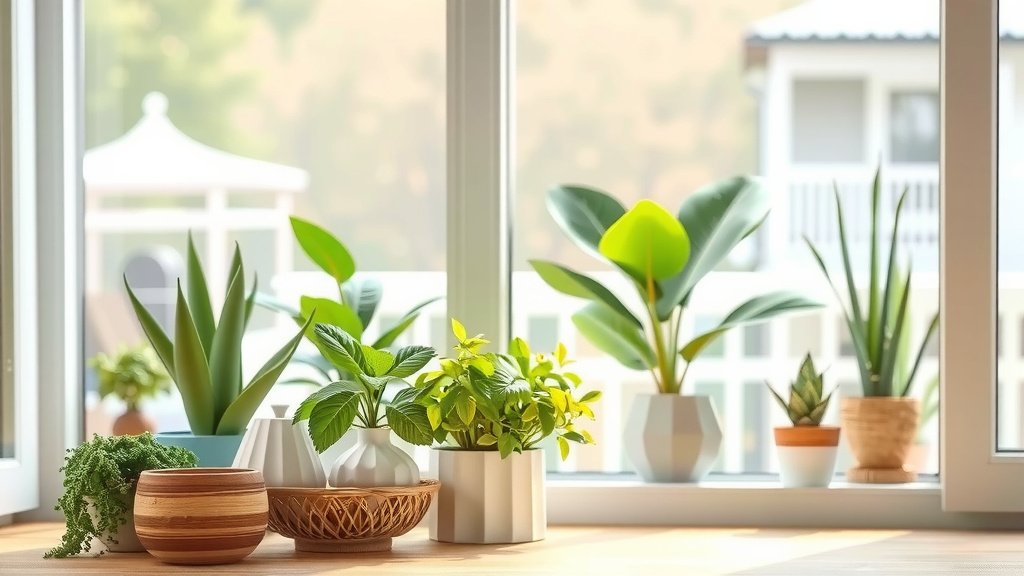
You don’t need a lot of space. Small pots on a sunny windowsill can work perfectly. Make sure your pots have drainage holes. Use a good quality potting mix. Water them regularly but avoid overwatering. The steam from watering can also add a little humidity, which can be beneficial in dry environments.
Quick Checklist for Fresher Air
- Open windows daily for at least 15 minutes.
- Add a few air-purifying houseplants.
- Switch to natural or DIY cleaning products.
- Wipe down plant leaves regularly.
- Ensure proper ventilation in bathrooms and kitchens.
- Monitor and control home humidity levels.
Conclusion
You’ve learned that naturally purifying your home’s air is totally achievable! By bringing in living plants and embracing regular fresh air ventilation, you’re already making big strides. Simple switches to natural cleaning products and managing your home’s humidity are also powerful steps. Don’t forget the gentle benefits of an indoor herb garden. Start by choosing one or two of these methods today, perhaps opening your windows a little wider tomorrow. You’ll soon notice a fresher, cleaner feeling in your home’s air.
Frequently Asked Questions
Will houseplants really make a big difference in my air quality?
Yes, they can contribute! Research has shown that plants like snake plants and spider plants can absorb common indoor toxins. While they work best in labs, having them in your home adds to a more natural filtration system. Think of them as a beautiful, living addition to your air-cleaning efforts.
How can I be sure I’m ventilating enough without letting in too much outside pollution?
Aim for at least 15-30 minutes of fresh air circulation daily, even if it’s just cracking windows. On days with poor outdoor air quality, try cross-ventilation by opening windows on opposite sides of your house for shorter periods. Checking local air quality reports can help you find the best times for longer ventilation.
Are natural cleaning products really effective at removing dirt and grime?
Absolutely. Many natural ingredients like vinegar, baking soda, and lemon juice are excellent cleaners and disinfectants. They effectively tackle dirt and grime without releasing harsh chemical fumes. You can create your own powerful, non-toxic cleaners right at home.
What’s the best way to keep my home’s humidity levels in check naturally?
Natural methods include using exhaust fans in kitchens and bathrooms, fixing leaks promptly, and ensuring good ventilation. Some moisture-absorbing plants can also help. Placing bowls of baking soda in damp areas can naturally draw out excess moisture from the air.
Can I grow herbs for air purification even if I don’t have a green thumb?
Yes, many common herbs are quite forgiving and can thrive indoors. Herbs like mint, rosemary, and basil not only add a pleasant aroma but also contribute to cleaner air. They typically require basic care like sunlight and regular watering, making them a great starting point for a small indoor garden.
“`![How to Clean Charcoal Filter for Air Purifier [Easy Guide]](https://homeunderstandable.com/wp-content/uploads/2025/05/how-to-clean-charcoal-filter-for-air-purifier-easy-guide-768x512.jpg)
![5 Best House Plants for Air Purifying [In 2026]](https://homeunderstandable.com/wp-content/uploads/2025/05/best-house-plants-for-air-purifying-enhance-your-homes-freshness-768x662.jpg)