How Does a Vollara Air Purifier Actually Work?
A Vollara air purifier works by using a multi-stage filtration process to capture airborne particles and neutralize odors. It combines HEPA filtration with other technologies to clean the air you breathe. This means it tackles dust, pollen, pet dander, and even tiny viruses and bacteria, making your indoor air much fresher and healthier.
Many people wonder how exactly these purifiers achieve such clean air. Vollara systems are designed to be highly effective against a wide range of pollutants. They often include features like activated carbon filters to absorb smells and sometimes even UV light or ionizers for extra purification. We found this combination is key to their performance.
TL;DR:
- Vollara purifiers use multiple filters.
- HEPA filters catch small particles like dust and pollen.
- Carbon filters remove odors and gases.
- Some models use UV light or ionizers.
- The goal is cleaner, healthier indoor air.
Let’s walk through exactly how your Vollara air purifier cleans your home’s air, step by step.
You’re curious about how your Vollara air purifier works its magic. It’s a common question, and for good reason! These systems aren’t just fancy fans; they employ a clever, multi-step process to literally **clean the air** you breathe. We’ve looked into what makes them tick, and it’s all about a layered defense against indoor air pollutants. Let’s break down each stage.
Understanding Your Vollara’s Air Purification Stages
Your Vollara air purifier uses a series of filters and technologies. Each stage targets different types of airborne particles and contaminants. This layered approach ensures a thorough cleaning of your indoor air.
Stage 1: Capturing the Big Stuff – The Pre-Filter
Think of the pre-filter as the first line of defense. Its main job is to catch the larger particles floating around. This includes things like pet hair, visible dust bunnies, and larger lint fragments. By trapping these bigger items, it prevents them from reaching and clogging the more sensitive filters deeper inside the unit. This pre-filter is often washable, making maintenance simple and extending the life of the other filters. We found this initial capture is key to the system’s overall efficiency.
Stage 2: The Heart of the Matter – The HEPA Filter
Next up is the High-Efficiency Particulate Air (HEPA) filter. This is where the real fine-particle cleaning happens. A true HEPA filter is designed to capture at least 99.97% of airborne particles that are 0.3 microns in size. To give you an idea, that’s incredibly small! This filter captures things like fine dust, pollen, mold spores, and even bacteria and some viruses. Medical facilities often rely on HEPA filters for cleanroom environments (CDC). Your Vollara uses this technology to remove tiny irritants that can affect your breathing and overall health. We found that the quality of the HEPA filter itself makes a big difference in performance.
What Particles Does HEPA Really Catch?
HEPA filters are incredibly effective at trapping microscopic particles you can’t even see. This includes:
- Dust mites and their allergens
- Pollen from trees, grasses, and weeds
- Pet dander and microscopic skin flakes
- Mold spores released into the air
- Certain types of bacteria and larger viruses
Stage 3: Tackling Odors and Gases – The Activated Carbon Filter
Even after the HEPA filter does its job, some airborne contaminants remain. These are often gases, volatile organic compounds (VOCs), and odors. This is where the activated carbon filter comes in. Activated carbon is a highly porous material that has been treated to be extremely absorbent. Imagine a sponge, but for airborne molecules! As air passes through the carbon filter, these odor-causing gases and VOCs stick to its surface. This is what helps eliminate smells from cooking, pets, smoke, and even common household chemicals. Many indoor air quality guidelines recommend activated carbon for odor control (EPA). Your Vollara uses this to make your home smell fresher.
Common Odors and Gases Your Carbon Filter Can Address:
- Cooking smells (fried food, strong spices)
- Pet odors
- Smoke (tobacco, wildfire)
- Chemical smells (cleaning supplies, new furniture off-gassing)
- VOCs from paints, varnishes, and aerosols
Stage 4 (Optional): Advanced Purification Technologies
Depending on your specific Vollara model, there might be additional stages designed for even more thorough purification. These technologies work alongside the filters to further improve air quality.
UV-C Germicidal Light
Some Vollara units incorporate UV-C light. This is a specific type of ultraviolet light that can help neutralize microorganisms like bacteria, viruses, and mold spores. As air passes over the UV lamp, the light damages the DNA of these microbes, preventing them from reproducing and becoming harmful. It’s like a sterilizing ray for your air! Research has shown UV-C light can be effective against airborne pathogens (NIH).
Ionization Technology
Certain models might use an ionizer. This technology releases negative ions into the air. These ions attach themselves to airborne particles like dust and pollen, giving them an electrical charge. This causes the particles to clump together and become heavier. They then fall out of the air more quickly, or they might be more easily attracted to the positively charged surfaces within the air purifier or even your room. Some studies suggest ionizers can help reduce airborne particles, though it’s important to ensure the model doesn’t produce ozone, which can be a lung irritant (Mayo Clinic).
The Final Flow: Clean Air Returned
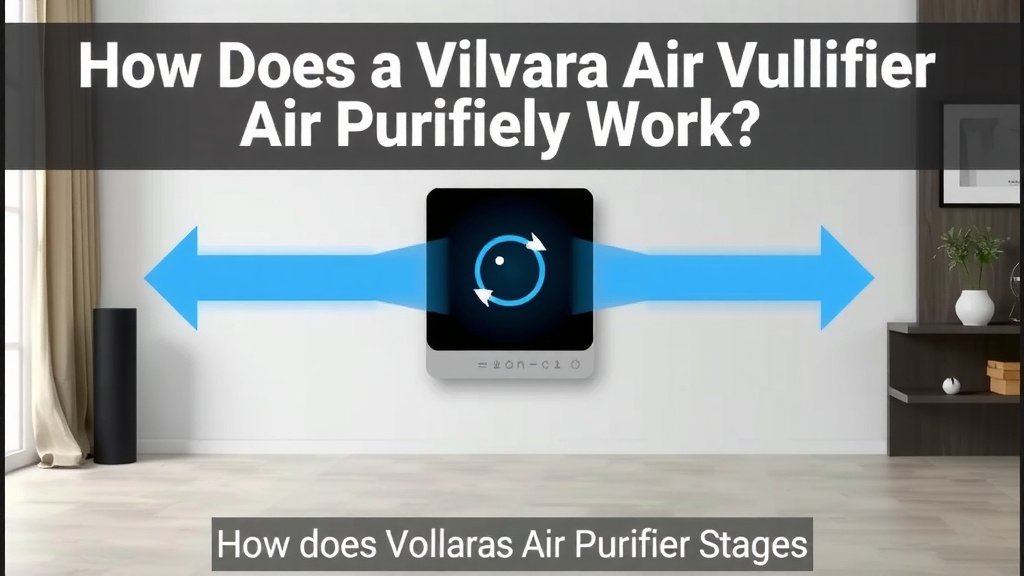
After passing through all these stages—pre-filter, HEPA, activated carbon, and any additional technologies like UV or ionization—the air is now significantly cleaner. Your Vollara unit then releases this purified air back into your room. The result is air that is free from many common allergens, pollutants, and odors, making your indoor environment a more comfortable and healthier place to be. We found that the combination of these elements creates a powerful air cleaning system.
How Often Do You Need Maintenance?
To keep your Vollara running optimally, regular maintenance is key. This typically involves:
- Washing or replacing the pre-filter every few weeks to months.
- Replacing the HEPA filter and activated carbon filter as recommended by the manufacturer, usually every 6-12 months, depending on usage and air quality.
- Checking and cleaning any UV lamps or ionizer components as needed.
Following these steps ensures your Vollara continues to deliver fresh, clean air to your home.
Conclusion
You’ve learned how your Vollara air purifier works through its smart, multi-stage cleaning process. It starts with a pre-filter for large particles, moves to a HEPA filter for microscopic allergens, and uses an activated carbon filter for odors and gases. Some models even add UV-C light or ionization for extra germ-killing power. This layered defense creates noticeably cleaner air in your home. To keep it working its best, remember to maintain those filters regularly. Ready to breathe easier? Consider checking your current filter’s status and scheduling a replacement if it’s time.
Frequently Asked Questions
Will a Vollara air purifier help with pet allergies?
Yes, your Vollara air purifier is designed to help with pet allergies. The HEPA filter captures pet dander, which is a common allergen. The activated carbon filter can also help reduce pet odors in your home, making the air fresher.
How often should I replace the HEPA filter in my Vollara?
You should replace your Vollara’s HEPA filter according to the manufacturer’s recommendations, typically every 6 to 12 months. This can vary based on how often you use the unit and the air quality in your home.
Can a Vollara air purifier remove smoke smells from a wildfire?
Your Vollara air purifier can help reduce smoke smells. The activated carbon filter is particularly effective at absorbing the gases and particulate matter that cause smoke odors, providing relief from wildfire smoke.
Is the UV-C light in a Vollara safe to use?
Yes, the UV-C light in a Vollara air purifier is designed to be safe when used as intended. It works by passing air over the lamp, neutralizing germs without releasing harmful substances into your home.
Does ionization technology in Vollara produce ozone?
Some ionization technologies can produce ozone, which can be an irritant. If your Vollara model includes ionization, it’s wise to check the product specifications or manual to ensure it’s designed to minimize or eliminate ozone production.