How UV Light Purifies Air: The Science Explained
Yes, UV light can purify your air by using ultraviolet radiation to neutralize harmful airborne contaminants. This process effectively inactivates viruses, bacteria, and mold, making your indoor air cleaner and safer to breathe. UV purification is a proven method for reducing the spread of germs in your home or office environment.
When UV light passes over these microorganisms, its energy damages their DNA and RNA. This destruction prevents them from reproducing and causing illness. Many air purifiers and HVAC systems now incorporate UV-C light technology for enhanced air quality and to combat airborne pathogens.
- UV light inactivates germs like viruses and bacteria.
- It works by damaging the DNA/RNA of microorganisms.
- UV purification is used in many air purifiers and HVAC systems.
- This technology helps create cleaner, healthier indoor air.
Let’s dive into how this germ-fighting technology works and what you need to know about using it in your space.
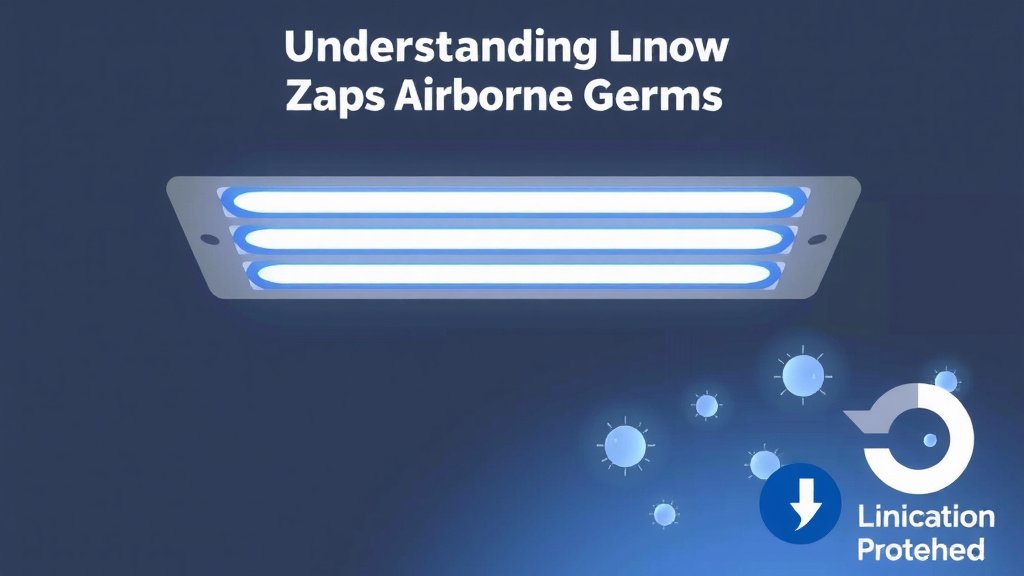
Understanding How UV Light Zaps Airborne Germs
So, you’re curious about how exactly UV light works its magic on the tiny, invisible things floating in your air? It’s a pretty neat process, and understanding it can help you feel more confident about the air you breathe indoors.
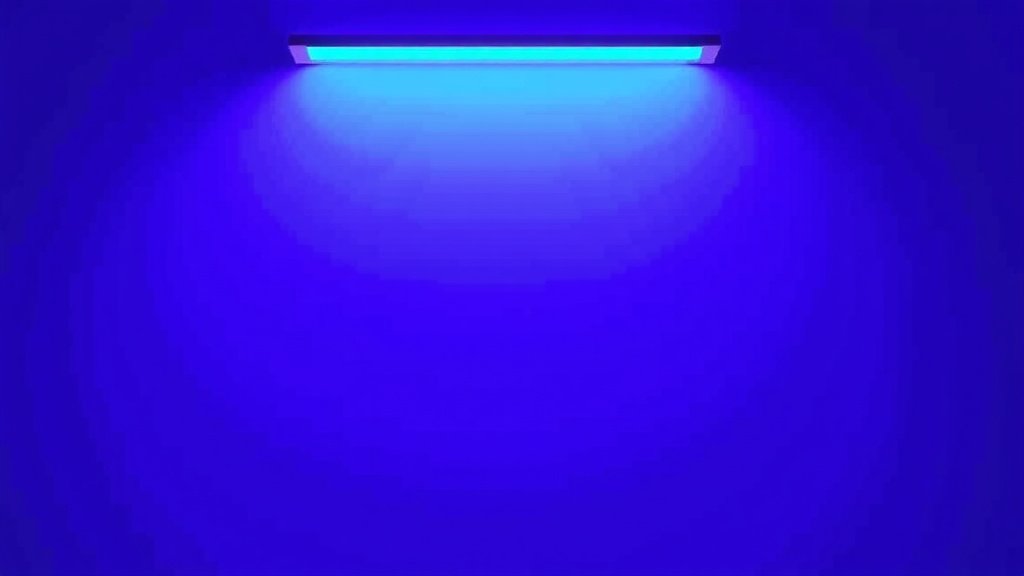
Think of UV light as a germ-fighting superhero. It’s a type of electromagnetic radiation that’s naturally present in sunlight. Specifically, the UV-C spectrum is the most effective for germicidal purposes. When these UV-C rays hit microorganisms like viruses, bacteria, and mold spores, they don’t just zap them; they actually disrupt their ability to function and reproduce.
The Science Behind UV Germicidal Irradiation
At its core, UV light purification works by damaging the genetic material within these microbes. This genetic material is what tells them how to grow, replicate, and spread. When UV-C light penetrates a germ’s cell, it causes damage to its DNA (for bacteria and viruses) or RNA (for some viruses). This damage is irreversible.
DNA/RNA Damage Explained
Imagine a blueprint for a building. If you tear key parts of that blueprint, the builders can no longer construct the building correctly, or at all. UV-C light does something similar to the genetic code of microorganisms. It causes specific types of damage, often called “thymine dimers,” that essentially scramble the instructions. This scrambling **prevents the organism from replicating** itself.
Without the ability to reproduce, viruses can’t infect new cells, and bacteria can’t multiply to harmful levels. Mold spores, similarly, are rendered inactive and won’t grow into larger colonies. This is why UV light is often referred to as a method of inactivation rather than outright destruction, though the end result for your air quality is the same.
What Types of Microbes Does UV Light Target?
UV-C light is effective against a broad range of airborne contaminants. It’s not just for one specific type of germ.
- Viruses: From common colds to more serious pathogens, many viruses are susceptible to UV-C inactivation.
- Bacteria: This includes common bacteria found in homes and offices that can cause illness.
- Mold Spores: UV light can prevent mold spores from germinating and spreading.
- Protozoa: Some single-celled organisms are also affected.
Research has consistently shown the efficacy of UV-C germicidal irradiation against these threats (CDC). It’s a well-established technology used in various settings, from hospitals to water purification systems.
How UV Purification is Incorporated into Your Air Quality Solutions
You won’t typically find a bare UV bulb just shining in your living room. Instead, this technology is cleverly integrated into devices designed to improve your indoor air. The goal is always to expose the airborne contaminants to the UV light for a sufficient amount of time.
UV in Air Purifiers
Many modern air purifiers include a UV light component. In these devices, the air is drawn into the unit by a fan. As the air passes through the internal chambers, it encounters a UV-C lamp. The lamp is positioned so that the air is exposed to its germicidal rays before the clean air is released back into your room.
It’s important to note that the effectiveness here depends on how long the air is exposed to the UV light. So, a good air purifier will have a design that maximizes this exposure time. We found that some units have multiple stages of filtration, and the UV component is often one of the later stages.
UV in HVAC Systems
Another common place to find UV purification is within your home’s central heating, ventilation, and air conditioning (HVAC) system. These UV lamps are usually installed either within the ductwork or near the air handler unit.
Placement Matters for HVAC UV
The primary goal when UV lights are placed in HVAC systems is often to keep the coils and drain pans clean. This prevents the growth of mold and bacteria within the system itself, which can then circulate throughout your home. By keeping the system clean, it indirectly helps improve the air quality delivered to your rooms. Some systems are designed to irradiate the air as it passes through, but this requires careful engineering to ensure adequate exposure.
Many HVAC professionals recommend this as an add-on to improve indoor air quality, especially for those with allergies or sensitivities. It’s a way to tackle airborne germs before they even enter your living space.
The Importance of UV-C Wavelengths
Not all UV light is created equal when it comes to germ purification. The specific wavelength matters significantly. The most effective germicidal UV light falls within the UV-C range, specifically between 200 and 280 nanometers (nm). This range is absorbed most efficiently by the DNA and RNA of microorganisms.
UV-A and UV-B light, which are more prevalent in sunlight and can cause sunburn, are not effective for germicidal purposes. That’s why it’s crucial that any device claiming to use UV light for air purification specifically mentions using UV-C technology. We found that reputable manufacturers will clearly state the use of UV-C.
Key Considerations When Using UV Air Purification
While UV light is a powerful tool, there are a few things to keep in mind to ensure you’re using it effectively and safely.
First, UV-C light can be harmful to your skin and eyes if you are exposed directly for extended periods. This is why UV purification systems are always enclosed within a device or HVAC system. You should never look directly at a UV-C lamp. If you’re considering a standalone UV air purifier, make sure it’s designed with safety interlocks so the light only operates when the unit is fully assembled.
Second, UV light works best on airborne particles. It doesn’t effectively remove larger particles like dust, pollen, or pet dander. For comprehensive air cleaning, it’s often best to use a UV purifier in conjunction with other filtration methods, such as HEPA filters. This combination provides a more complete approach to improving your air quality.
A recent review of air purification technologies highlighted that UV-C is a good addition but not always a standalone solution for all air contaminants (NIH). Think of it as one tool in your air-cleaning toolkit.
What to Look for in a UV Air Purifier
When you’re shopping for a device that includes UV purification, here are a few things to check:
- UV-C Wavelength: Confirm it uses UV-C light, ideally in the 254 nm range, which is highly effective.
- Lamp Wattage/Intensity: Higher wattage can mean more effective germicidal action.
- Exposure Time: Look for designs that ensure air spends enough time near the UV lamp. This is often related to the fan speed and the internal chamber design.
- Safety Features: Ensure the UV lamp is fully enclosed and inaccessible.
Considering these factors can help you choose a UV air purification system that will genuinely contribute to cleaner air in your home. It’s about making informed choices for your well-being.
Conclusion
You now understand how UV light, particularly UV-C, acts as a powerful ally in purifying your indoor air. By damaging the DNA and RNA of viruses, bacteria, and mold, it effectively inactivates them. We’ve seen how this technology is smartly integrated into air purifiers and HVAC systems to provide cleaner air for your home or office.
Remember, UV-C is a great addition to your air quality strategy but often works best alongside other filtration methods like HEPA filters. Your next step? Look for trusted devices that clearly state they use UV-C technology and prioritize safety features to ensure you’re breathing easier and healthier.
Frequently Asked Questions
Is UV light safe for people and pets in the room?
Direct exposure to UV-C light can be harmful to your skin and eyes. That’s why UV purification systems are always enclosed within devices like air purifiers or HVAC units. Reputable products are designed with safety interlocks to prevent exposure when they are in use.
Can UV light kill all germs in the air?
UV-C light is highly effective at inactivating many types of airborne microorganisms like viruses, bacteria, and mold spores. However, it’s important to know that UV light doesn’t remove larger particles like dust or pollen. For complete air purification, it’s often recommended to use UV technology with other filters, like HEPA.
How long does air need to be exposed to UV light to be purified?
The effectiveness of UV purification depends on how long the air is exposed to the UV-C rays. Air purifiers and HVAC systems are designed to maximize this exposure time as the air passes through. Factors like fan speed and the internal design of the unit play a role in ensuring sufficient contact with the UV light.
What is the difference between UV-A, UV-B, and UV-C light for air purification?
Only UV-C light, within a specific wavelength range (around 200-280 nanometers), is effective for germicidal purposes. UV-A and UV-B light, while present in sunlight, do not have the same germ-inactivating properties. Always look for devices that specifically mention using UV-C technology for air purification.
How do I know if a UV air purifier is working effectively?
When choosing a UV air purifier, look for specifications that mention the UV-C wavelength and lamp intensity. A well-designed unit will ensure adequate air exposure time to the UV lamp. Safety features, such as fully enclosed lamps, are also indicators of a quality product.
![5 Best Hepa Air Purifier for Large Rooms [In 2026]](https://homeunderstandable.com/wp-content/uploads/2025/05/best-hepa-air-purifier-for-large-rooms-top-picks-for-clean-air-768x512.jpg)
![5 Best Hepa Air Purifier for Pets [In 2026]](https://homeunderstandable.com/wp-content/uploads/2025/05/best-hepa-air-purifier-for-pets.jpg)