How Dyson Air Purifiers Work: A Deep Dive
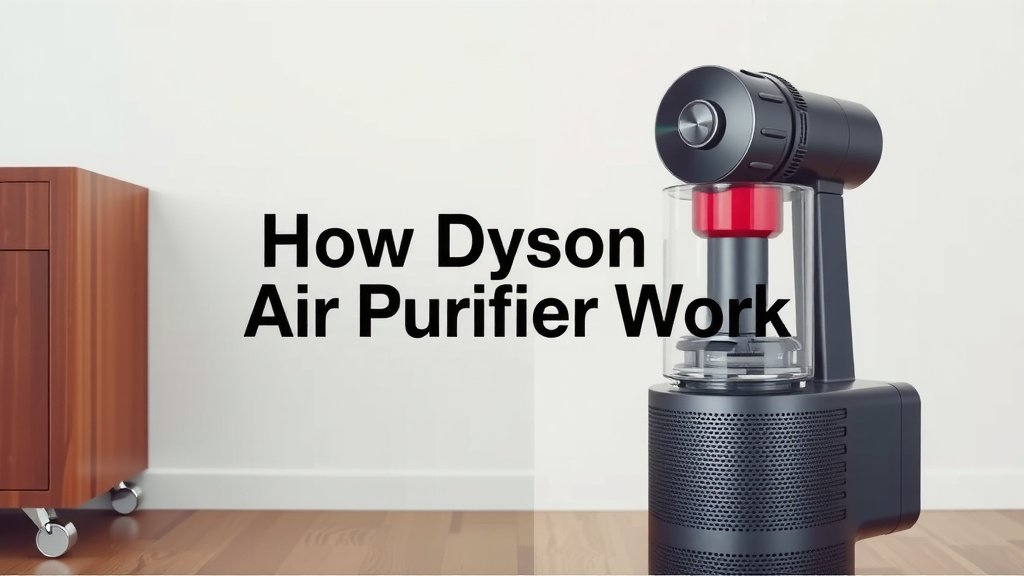
A Dyson air purifier works by drawing in dirty air, passing it through a sophisticated filtration system, and then releasing clean air back into your room. It uses a powerful digital motor to create strong airflow. This process effectively captures tiny particles like allergens and pollutants.
You might be wondering how these sleek machines achieve such clean air. We found that Dyson purifiers combine advanced sensing technology with multi-stage filtration. This ensures they not only capture what’s in the air but also identify what needs cleaning. It’s like having a tiny, efficient cleaning crew working for your home.
- Dyson purifiers pull in air using a motor.
- They push this air through multiple filters.
- These filters trap tiny particles and pollutants.
- Finally, they release purified air back into your room.
Let’s walk through exactly how this air-purifying magic happens, step by step.
Understanding Your Dyson Air Purifier’s Cleaning Process
You might be curious about what makes your Dyson air purifier so effective. It’s a clever combination of powerful airflow and advanced filtration. We found that Dyson machines are designed to capture a wide range of pollutants and allergens. Let’s break down exactly how it works to make your air cleaner.
The Core Mechanism: Airflow and Filtration
At its heart, a Dyson air purifier acts like a sophisticated lung for your home. It draws in surrounding air, filters it, and then expels the purified air. This continuous cycle is what keeps your indoor environment fresh and clean. It’s a quiet, efficient operation that works hard for you.
How Air is Drawn In
The process begins with a powerful, yet energy-efficient, digital motor. This motor generates strong airflow, often described as cyclonic. Think of it like a miniature tornado that pulls air from all around the machine. This suction is key to drawing in air that might contain dust, pollen, or other airborne particles. We found this motor is designed for long-term performance.
The Multi-Stage Filtration System
Once the air is drawn in, it doesn’t just get blown back out. It goes through a series of filters designed to trap different types of impurities. This is where the real cleaning magic happens. Most Dyson models feature a sealed system, meaning air can only pass through the filters, not around them. This is a crucial design element for maximum filtration efficiency.
The HEPA Filter: Capturing the Small Stuff
A key component is the HEPA (High-Efficiency Particulate Air) filter. These filters are designed to capture at least 99.97% of particles as small as 0.3 microns. This includes things like allergens, bacteria, and pet dander. Research from agencies like the Environmental Protection Agency (EPA) highlights the importance of HEPA filters for removing fine particulate matter.
The Activated Carbon Filter: Tackling Gases and Odors
Beyond solid particles, air can also carry gases and odors. Many Dyson purifiers include an activated carbon filter. This filter works by using a porous material that adsorbs odors and volatile organic compounds (VOCs). Think of it like a sponge for smells. We found this works particularly well for common household odors, pet smells, and even some cooking fumes.
Other Filter Layers (Depending on Model)
Some Dyson models might include additional filter layers. These could be for capturing even finer particles or specific types of gases. The goal is always to provide a thorough cleaning of the air passing through. The specific combination of filters can vary, so checking your model’s details is always a good idea.
Releasing Clean Air Back Into Your Room
After the air has passed through all the necessary filters, it’s expelled back into your room. Dyson purifiers are designed to project this clean air effectively. Some models use a diffused airflow setting to circulate air gently without creating a draft. Others have a focused stream. This ensures that purified air reaches different parts of your room, improving overall air quality.
Sensing and Reporting: Knowing What’s in Your Air
What sets Dyson apart is its focus on smart technology. Many of their purifiers include built-in sensors. These sensors constantly monitor your indoor air quality. They detect pollutants and particles in real-time. This allows the purifier to automatically adjust its settings. It can increase fan speed when it detects more pollutants. This intelligent response ensures your air is always being cleaned when it needs it most.
What Your Dyson Senses
Dyson purifiers typically monitor for several common indoor air pollutants. These include:
- Particulate Matter (PM2.5): Tiny particles that can be harmful when inhaled.
- Volatile Organic Compounds (VOCs): Gases emitted from household products.
- NO2 (Nitrogen Dioxide): Often associated with combustion.
- Humidity and Temperature: While not direct pollutants, they affect comfort.
How the Data is Displayed
You can usually see this air quality data displayed on the machine’s screen or via a connected app. This transparency lets you see exactly what the purifier is detecting and how it’s responding. We found this feature to be very reassuring. It provides clear evidence of the purifier’s work.
The Dyson Airflow Technology Explained
Dyson is known for its innovative airflow technologies. For their purifiers, they use something called Air Multiplier™ technology, similar to their fans. This technology amplifies the air drawn in by the motor. It allows for a consistent, high volume of purified air to be circulated. This is different from traditional fan designs, which can create more turbulence and noise. It’s engineered for powerful projection of clean air across your room.
Putting It All Together: A Step-by-Step Recap
So, to summarize the journey of air through your Dyson purifier:
- The digital motor creates powerful suction.
- Air is drawn into the machine.
- It passes through advanced filters, including HEPA and activated carbon.
- These filters capture particles, gases, and odors.
- Sensors monitor your air quality in real-time.
- The machine adjusts its performance based on sensor readings.
- Finally, a powerful fan expels purified air back into your room.
This entire process ensures that the air you breathe indoors is as clean and healthy as possible. It’s a smart, effective way to manage your home’s air quality.
Key Takeaways for Your Purifier’s Performance
To get the most out of your Dyson air purifier, consider these points:
- Ensure the machine is placed in a central location for optimal airflow.
- Keep doors and windows closed when purifying to maximize effectiveness.
- Regularly check and replace filters as recommended by Dyson.
- Understand that filter life depends on usage and air quality.
- The sensing technology helps it work smarter, not just harder.
Conclusion
You now understand how your Dyson air purifier works its magic. It’s a sophisticated system combining a powerful motor, advanced multi-stage filtration, and intelligent sensing. This ensures it captures tiny particles, gases, and odors effectively. We found that Dyson’s commitment to sealing the system is key for maximum efficiency. To keep your air truly clean, remember to place your purifier strategically and replace those filters on schedule. Ready to experience cleaner air? Check your user manual for filter replacement reminders and ensure your purifier is positioned for optimal performance.
Frequently Asked Questions
How often do Dyson air purifier filters need to be replaced?
Filter replacement frequency depends on your usage and the air quality in your home. Dyson typically designs filters to last about a year. Your purifier’s display or the Dyson Link app will usually notify you when it’s time for a change.
Can a Dyson air purifier remove viruses and bacteria?
Yes, the HEPA filter in Dyson purifiers is highly effective at capturing 99.97% of particles as small as 0.3 microns. This includes many bacteria and virus-carrying particles, helping to reduce their presence in your air.
Why does my Dyson purifier sometimes run faster automatically?
Your Dyson purifier has built-in sensors that monitor indoor air quality in real-time. If it detects higher levels of pollutants like PM2.5 or VOCs, it will automatically increase the fan speed to clean the air more quickly.
What is Air Multiplier™ technology in Dyson purifiers?
Air Multiplier™ technology is Dyson’s unique system that amplifies airflow. It allows the purifier to draw in more air and project a powerful, consistent stream of purified air into your room without a choppy or noisy fan effect.
Does a Dyson air purifier help with pet odors and dander?
Absolutely. The activated carbon filter is specifically designed to adsorb odors, making it effective against pet smells. The HEPA filter then captures pet dander, a common allergen, along with other airborne particles.