Air Purifiers for Mold: How Effective Are They Really
Yes, air purifiers can be somewhat effective at reducing mold spores in your air, but they are not a complete solution for mold problems. They work by trapping airborne mold particles with filters, much like they catch dust and pollen. However, they don’t address the root cause of mold growth, which is moisture.
When mold spores become airborne, an air purifier can help clean them from the air you breathe. This is especially true for air purifiers with HEPA filters, which are designed to capture very small particles. While they can improve your indoor air quality, they won’t stop mold from growing on your walls or in your HVAC system if the moisture issue isn’t fixed. Think of it as a helpful tool, not a mold killer.
- Air purifiers can trap airborne mold spores.
- HEPA filters are best for capturing small mold particles.
- They don’t fix the underlying moisture problem causing mold.
- An air purifier is a helpful addition, not a standalone fix.
- Controlling humidity is key to preventing mold.
Let’s break down exactly how air purifiers can help with mold and what you need to know to make the best choice for your home.
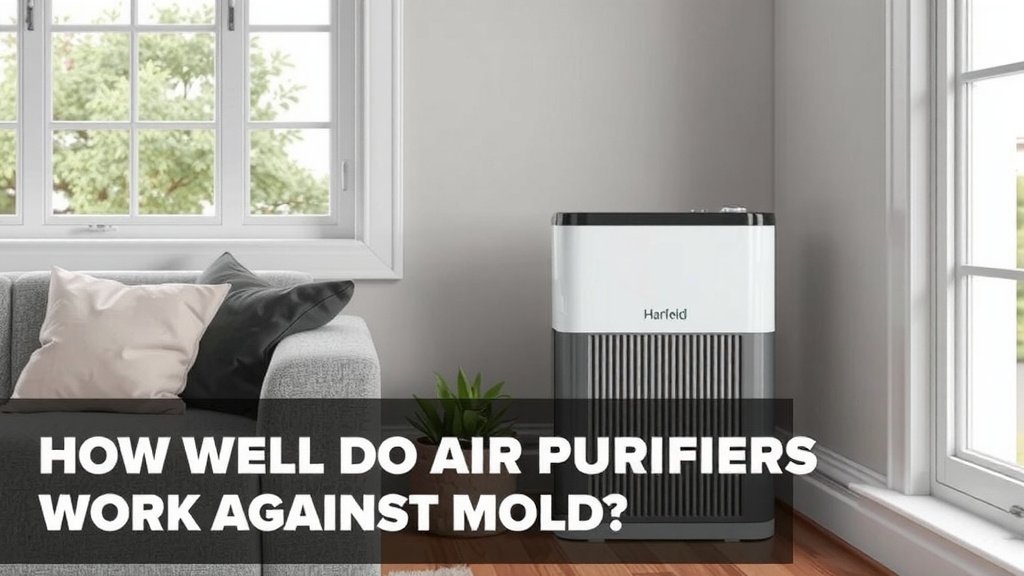
“`htmlHow Well Do Air Purifiers Work Against Mold?
Air purifiers can be a helpful tool for managing mold spores in your home. They work by filtering the air. This can reduce the number of mold particles you breathe. Many studies show that air purifiers with HEPA filters are effective at capturing these tiny spores (NCBI).
However, it’s important to understand their limitations. An air purifier doesn’t kill mold. It also doesn’t address the source of mold growth. Mold needs moisture to thrive. Without fixing the damp conditions, mold will likely continue to grow and release more spores.
Understanding How Air Purifiers Tackle Mold
Air purifiers are designed to clean the air. They draw in air from your room. Then, they pass it through a series of filters. The goal is to trap airborne pollutants. This includes dust, pollen, pet dander, and yes, mold spores.
The Role of HEPA Filters
The most critical component for mold spore capture is the HEPA filter. HEPA stands for High-Efficiency Particulate Air. These filters are certified to trap at least 99.97% of airborne particles that are 0.3 microns in size.
Mold spores vary in size. Most are between 2 and 100 microns. A HEPA filter is small enough to catch even the smallest mold spores. This makes them a key feature to look for if you’re concerned about mold in the air.
Other Filter Types and Their Impact
Some air purifiers also have other filters. Activated carbon filters are good at removing odors. Mold often has a musty smell. So, these filters can help with that aspect. Pre-filters catch larger particles like hair and dust. This helps extend the life of the HEPA filter.
Be cautious of purifiers that claim to “kill” mold with UV light or ionizers. These technologies can sometimes create ozone. Ozone is a lung irritant. The EPA advises against using air purifiers that intentionally produce ozone (EPA).
The Crucial Link: Moisture and Mold Growth
This is where air purifiers fall short. They are great at cleaning the air, but they can’t stop mold from growing. Mold needs a food source (like wood or drywall) and moisture to grow. If you have a leak, high humidity, or condensation, mold will likely appear.
Think of it like this: If you have a leaky faucet, a mop can clean up the water. But the faucet will keep dripping. The water will keep pooling. An air purifier is like the mop. It cleans up the spores that have already fallen. It doesn’t fix the leaky faucet.
Identifying and Fixing Moisture Problems
Your first step in dealing with mold is always to find and fix the moisture source. This might mean repairing a leaky pipe. It could involve improving ventilation in bathrooms and kitchens. Sometimes, it means using a dehumidifier.
Areas prone to moisture include bathrooms, basements, kitchens, and laundry rooms. Check for condensation on windows or pipes. Look for water stains on walls or ceilings. Addressing these issues is essential for long-term mold control.
When an Air Purifier is a Good Addition for Mold Concerns
Even though they aren’t a magic bullet, air purifiers can play a role. They are most useful in specific situations related to mold.
For Airborne Spores and Air Quality
If you have visible mold that has been cleaned, or if you suspect mold spores are circulating, an air purifier can help. It can capture spores that become airborne during cleaning. It can also reduce spores from other sources.
For people with mold allergies or sensitivities, cleaner air is a big deal. Reducing airborne allergens can help ease symptoms. Many experts recommend air purifiers for allergy sufferers (Cleveland Clinic).
In Combination with Other Solutions
The best approach to mold is multi-faceted. You need to remove existing mold. You need to fix the moisture problem. Then, you can use an air purifier to help maintain cleaner air. It acts as a protective measure against re-contamination from airborne spores.
Consider using an air purifier in rooms where mold was present. Or place one in areas prone to high humidity. This can offer an extra layer of defense. Always follow professional mold remediation guidelines.
Choosing the Right Air Purifier for Mold Spores
If you decide an air purifier is right for you, choose wisely. Not all purifiers are created equal when it comes to tackling mold spores.
Key Features to Look For
- True HEPA Filter: This is non-negotiable. Ensure the filter is certified as “True HEPA.”
- Adequate CADR Rating: The Clean Air Delivery Rate (CADR) indicates how quickly a purifier cleans the air. Choose one with a CADR appropriate for your room size. Higher is generally better for faster cleaning.
- Activated Carbon Filter: This helps with mold odors.
- Sealed System: A good purifier has a sealed design. This ensures all air passes through the filters, not around them.
Understanding Limitations and Maintenance
Remember that air purifiers require maintenance. You’ll need to replace the HEPA filters regularly. Dirty filters won’t work as well. Check your manufacturer’s recommendations for filter life.
An air purifier is a supplement, not a replacement, for mold removal and moisture control. Its effectiveness is directly tied to the severity of your mold problem and how well you address the root cause.
A Quick Checklist for Mold and Air Purifiers
Here’s a brief rundown to help you decide:
- Assess your mold problem. Is it minor or widespread?
- Find and fix the moisture source. This is the most important step.
- Clean existing mold properly. Follow safety guidelines.
- Consider an air purifier with a True HEPA filter.
- Use the purifier in conjunction with other solutions.
- Maintain your air purifier. Replace filters as needed.
Conclusion
So, can air purifiers help with mold? Yes, they can definitely play a supporting role. A good air purifier with a True HEPA filter can effectively capture airborne mold spores. This is great for improving your indoor air quality, especially if you have allergies. But remember, it’s not a standalone fix. It won’t stop mold from growing if moisture isn’t addressed. Your primary focus must always be finding and fixing the source of moisture. Once that’s handled, an air purifier can be a smart addition to help maintain cleaner air and offer extra peace of mind.
Frequently Asked Questions
Will an air purifier kill mold?
No, an air purifier will not kill mold. Its job is to capture airborne mold spores, not to eliminate the mold colony itself. Mold needs moisture to grow, and an air purifier doesn’t address that underlying issue.
How do I know if my air purifier is effective against mold?
Look for an air purifier with a True HEPA filter, which is certified to capture 99.97% of particles 0.3 microns in size. Ensure the unit is properly sized for your room and that you maintain it by replacing filters regularly.
Can an air purifier help with the smell of mold?
Yes, an air purifier with an activated carbon filter can help reduce the musty odors associated with mold. While it won’t remove the mold itself, it can trap odor-causing particles in the air.
Should I run an air purifier all the time if I have mold?
If you have an active mold problem, your priority should be fixing the moisture issue and cleaning the mold. Once those steps are taken, running an air purifier continuously can help capture any lingering airborne spores and maintain better air quality.
What’s more important: fixing moisture or using an air purifier for mold?
Fixing the moisture source is far more important than using an air purifier. Mold needs moisture to survive and grow. Without fixing the leak or humidity problem, the mold will continue to spread, regardless of air purification.
![What Is The Best Air Purifier for Gurgaon [In 2026]](https://homeunderstandable.com/wp-content/uploads/2025/04/best-air-purifier-for-gurgaon.jpg)

![5 Best Air Purifier for Bedroom Allergies [In 2026]](https://homeunderstandable.com/wp-content/uploads/2025/06/best-air-purifier-for-bedroom-allergies.jpg)