Personal Air Purifiers: How Effective Are They Really
Yes, personal air purifiers can be quite effective at improving the air quality in your immediate space. They work by filtering out common airborne irritants like dust, pollen, and pet dander from the air you breathe. For many people, this means fewer allergy symptoms and a generally fresher feeling environment right around you.
While they won’t clean an entire house, a personal air purifier is designed for localized benefit. Think of it as a personal air bubble of freshness, perfect for your desk or bedside. Research shows they can reduce specific pollutants in a small room, offering a tangible difference for those sensitive to air quality.
- Personal air purifiers can help reduce allergens like dust and pollen.
- They create cleaner air in your immediate personal space.
- Their effectiveness is best in smaller, defined areas.
- Proper placement and maintenance are key to getting the most out of them.
Ready to breathe a little easier? Let’s dive into how these personal devices work and what you can realistically expect from them.
How Well Do Personal Air Purifiers Actually Work?
Personal air purifiers can be surprisingly effective for your immediate surroundings. They are designed to clean the air right where you are, creating a zone of fresher air. Think of it as your own personal air bubble.
Understanding the Technology Behind Personal Air Purifiers
These devices use various technologies to clean the air. The most common is a HEPA filter. HEPA stands for High-Efficiency Particulate Air. A true HEPA filter can capture 99.97% of particles that are 0.3 microns in size. That’s tiny!
What Can a HEPA Filter Capture?
A HEPA filter is great at trapping common airborne allergens and irritants. This includes things like:
- Dust mites
- Pollen
- Pet dander
- Mold spores
- Some bacteria and viruses
Some personal purifiers also use activated carbon filters. These are good for removing odors and certain gases or VOCs (Volatile Organic Compounds). These can come from things like cleaning products or furniture.
Where Personal Air Purifiers Shine: Your Personal Space
The biggest advantage of a personal air purifier is its localized effect. They are built for small areas, like your desk, bedside table, or a small reading nook. If you spend a lot of time in one spot, it can make a noticeable difference there.
Imagine you’re working at your computer. A personal air purifier placed nearby can filter the air you’re breathing directly. This means fewer allergens can reach you, potentially easing symptoms like sneezing or itchy eyes. Many studies have shown that air purifiers can reduce particle concentration in a room (NCBI).
Limitations to Keep in Mind
It’s important to have realistic expectations. A personal air purifier won’t clean your entire home. They simply don’t have the power or the coverage area for that. Think of it like using a fan to cool just one corner of a hot room – it helps that corner, but not the whole space.
For whole-room purification, you’d need a larger unit designed for that specific purpose. These small units are best for personal breathing zones. They are not a substitute for general ventilation or larger air cleaning systems.
Factors Influencing Effectiveness
Several things can affect how well your personal air purifier works. It’s not just about plugging it in and forgetting about it. You need to consider its placement, maintenance, and the type of filter it uses.
Placement Matters for Performance
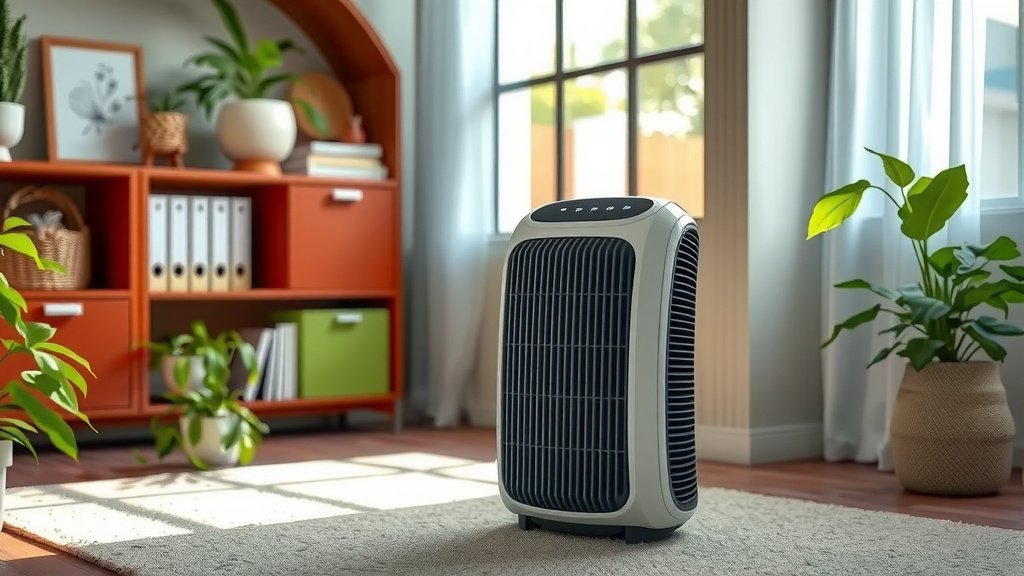
Where you put your personal air purifier is key. It should be placed close to you, within your breathing zone. Avoid putting it in a corner or behind furniture. This can block airflow and reduce its effectiveness. For example, placing it on your desk is ideal if you’re working there.
Filter Maintenance: A Must-Do Task
Filters get dirty over time. A clogged filter can’t clean the air effectively. You’ll need to clean or replace the filters regularly, according to the manufacturer’s instructions. Dirty filters can even become a source of pollutants themselves!
Many manufacturers recommend replacing HEPA filters every 6-12 months. Carbon filters might need replacing more often if you’re dealing with strong odors. Ignoring filter maintenance is like trying to run a race with weights on your feet – it’s going to be much harder.
Room Size and Airflow
The effectiveness also depends on the size of the space and how well air circulates. A small, well-sealed room will see better results than a large, open-plan area with lots of drafts. Personal units are rated for specific room sizes, so **choosing the right size** is important (Cleveland Clinic).
Who Benefits Most from a Personal Air Purifier?
Certain individuals can experience more pronounced benefits from using a personal air purifier. If you fall into any of these categories, it might be a worthwhile investment for you:
- Allergy Sufferers: People with allergies to dust, pollen, pet dander, or mold can find relief. By filtering these irritants from their personal space, they may experience fewer symptoms.
- Office Workers: Shared office spaces can have unpredictable air quality. A personal purifier can create a cleaner breathing zone at your desk.
- Students: Dorm rooms and study areas can benefit from localized air cleaning, especially during allergy season.
- Those Sensitive to Odors: If you’re sensitive to smells from cooking, smoke, or other sources, a carbon filter can help.
Comparing Personal vs. Whole-Room Air Purifiers
It’s helpful to understand the differences in their capabilities. Here’s a quick comparison:
| Feature | Personal Air Purifier | Whole-Room Air Purifier |
|---|---|---|
| Coverage Area | Small personal space (desk, bedside) | Medium to large rooms |
| Portability | Highly portable, compact | Less portable, often stationary |
| Primary Goal | Clean immediate breathing zone | Improve overall room air quality |
| Noise Level | Can be noticeable, designed for close proximity | Varies, often quieter for larger spaces |
| Cost | Generally lower initial cost | Higher initial cost, potential filter replacement cost |
So, while a personal unit isn’t for cleaning a whole house, it excels at providing cleaner air exactly where you need it.
Making the Most of Your Personal Air Purifier: A Quick Checklist
To ensure you get the best results from your personal air purifier, follow these simple tips:
- Place it within your immediate breathing zone.
- Keep the air intake and exhaust clear of obstructions.
- Clean or replace filters according to the manufacturer’s guide.
- Run it consistently when you are in the space.
- Consider the room size relative to the purifier’s capacity.
- Use it in smaller, relatively enclosed areas for best effect.
Conclusion
You’ve learned that personal air purifiers can indeed be effective for your immediate breathing space. They excel at capturing common irritants like dust and pollen right where you are. Remember, their strength lies in localized purification, not whole-house cleaning. By understanding their technology, placing them correctly, and maintaining their filters, you can create a noticeably fresher personal environment. Consider a personal air purifier if you’re looking to reduce allergens around your desk or bedside. Make the choice that best suits your personal air quality needs today.
Frequently Asked Questions
Can a small personal air purifier really make a difference for my allergies?
Yes, a personal air purifier can make a difference for allergies by filtering out common allergens like pollen, dust mites, and pet dander from your immediate breathing zone. This localized cleaning can reduce your exposure to triggers, potentially easing symptoms like sneezing or itchy eyes while you’re near the device.
How close do I need to have a personal air purifier to feel its effects?
For maximum effectiveness, you should place your personal air purifier within your direct breathing zone. This means setting it on your desk, bedside table, or wherever you spend extended periods. Keeping it close ensures that the purified air reaches you before it can mix with more polluted air.
What’s the difference between a personal air purifier and a large room one?
A personal air purifier is designed for a small, focused area like your desk, while a whole-room purifier is meant to clean the air in an entire room. Larger units have more powerful fans and higher CADR ratings (Clean Air Delivery Rate) to circulate and purify air more broadly.
How often should I expect to replace the filters in my personal air purifier?
Filter replacement frequency varies by model and usage, but typically HEPA filters need replacing every 6 to 12 months. Carbon filters, which help with odors, might need replacement more often, sometimes every 3 to 6 months. Always check your manufacturer’s guidelines.
Can a personal air purifier help with smoke or strong odors?
Many personal air purifiers include an activated carbon filter, which is effective at absorbing odors and certain gases. If your primary concern is smoke or strong smells, look for a model that specifically highlights its activated carbon filtration capabilities.