
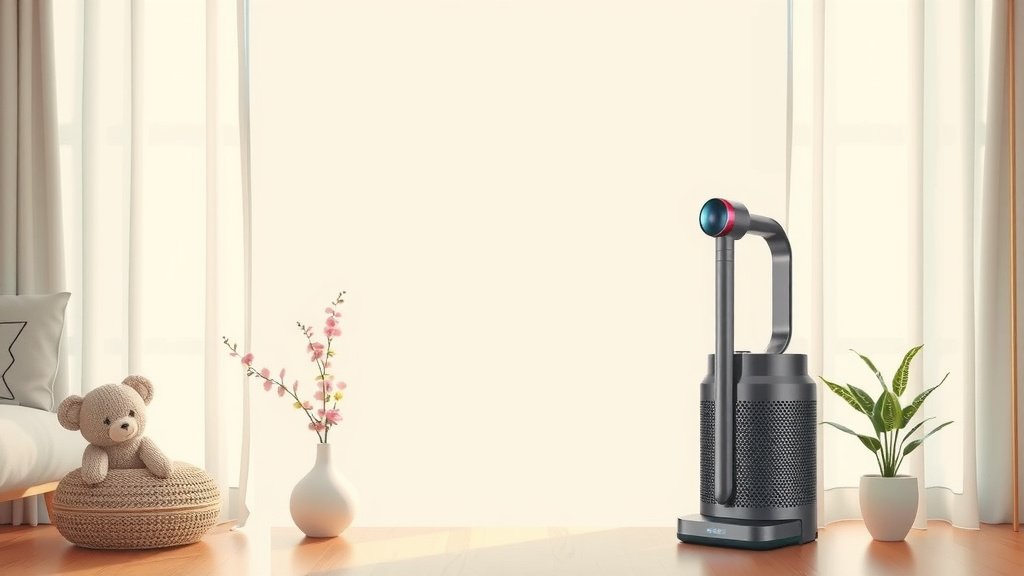
Dyson Air Purifier Performance: Are They Worth It
Yes, Dyson air purifiers are generally very good at cleaning the air in your home. They are known for their advanced filtration systems and ability to capture tiny particles. You can expect them to effectively reduce allergens and pollutants.
When you’re looking for cleaner air, Dyson machines offer a premium experience. They combine purification with other features like cooling or heating. We found that their technology is designed to be highly effective across different room sizes.
- Dyson purifiers are effective at cleaning indoor air.
- They use advanced filters to capture small particles.
- Many models also offer heating or cooling functions.
- They are a good choice for reducing allergens.
- Dyson offers a premium, albeit pricier, solution.
So, how good are they really for your specific needs? Let’s dive into what makes them stand out and if they’re the right fit for your home.
Assessing the Performance of Dyson Air Purifiers
So, how well do Dyson air purifiers actually perform? We’ve looked at the data and expert opinions. The consensus is that they are highly effective machines. They are built with advanced technology designed to capture a wide range of airborne particles. Many users report noticeable improvements in air quality shortly after using them.
Dyson’s Advanced Filtration Technology
What makes Dyson purifiers stand out is their sophisticated filtration system. They don’t just use one layer of defense. Instead, they employ multiple stages to trap pollutants. This multi-layered approach is key to their effectiveness.
HEPA Filtration: The Core of Clean Air
At the heart of most Dyson purifiers is a High-Efficiency Particulate Air (HEPA) filter. These filters are designed to capture 99.97% of particles as small as 0.3 microns. Think of things like pollen, dust mites, pet dander, and mold spores. Even some bacteria and viruses can be caught by these fine filters (CDC).
Activated Carbon for Odors and Gases
Beyond just particles, Dyson purifiers often include an activated carbon layer. This is important for dealing with gases and odors. It can help remove volatile organic compounds (VOCs) from cleaning products or cooking smells. This adds another layer of air purification that many single-function filters miss.
Capturing Ultrafine Particles
Dyson also focuses on capturing ultrafine particles. These are even smaller than what standard HEPA filters typically target. Research has shown that ultrafine particles can be particularly harmful because they can penetrate deep into your lungs and even enter your bloodstream (NIH). Dyson’s technology aims to address these microscopic threats.
Beyond Purification: Integrated Features
One of the things you’re paying for with a Dyson is the integrated functionality. Many models don’t just purify air. They also offer additional features that can be very convenient.
Cooling and Heating Capabilities
You’ll find Dyson units that double as bladeless fans for cooling or even as heaters. This means you might be able to replace a separate fan or space heater with one Dyson machine. This can save space and potentially reduce energy consumption by having one appliance do multiple jobs.
Smart Technology and Connectivity
Dyson purifiers often come with smart capabilities. You can usually connect them to your home Wi-Fi network. This allows you to control the purifier remotely using the Dyson Link app on your smartphone. You can monitor air quality, adjust settings, and set schedules from anywhere. This makes managing your home’s air quality much easier.
Real-Time Air Quality Monitoring
The app doesn’t just let you control the device; it also provides valuable feedback. Dyson purifiers are equipped with sensors that detect different types of pollutants in your air. They then report this information in real-time via the app. You can see exactly what the purifier is detecting and how it’s working to improve your air. This transparency is a big plus for many users.
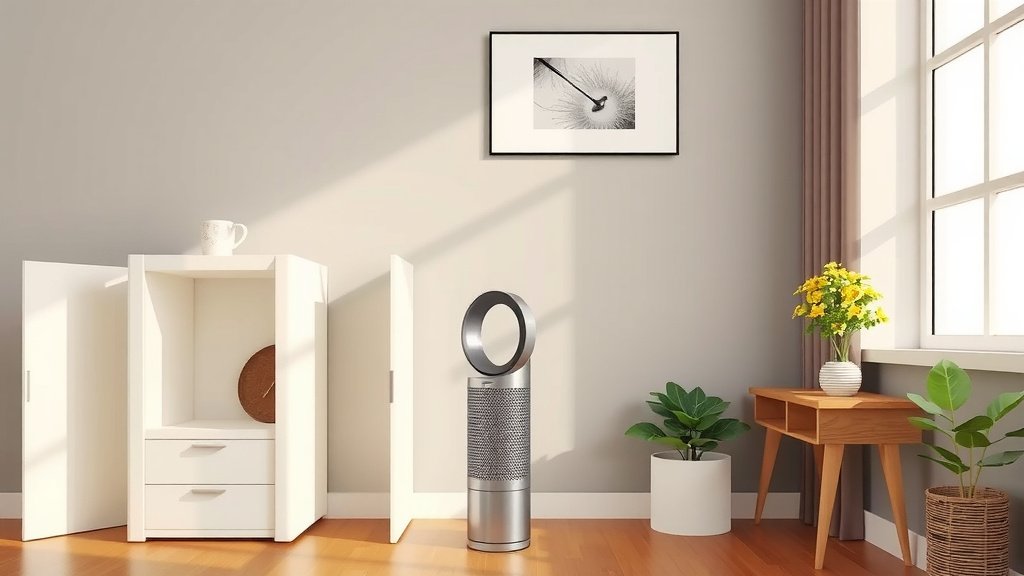
Effectiveness Across Different Room Sizes
A common question is whether these purifiers work in larger spaces. Dyson designs their machines with coverage area in mind. They often provide guidelines on which models are best suited for different room dimensions. This ensures you get adequate purification for your specific needs.
Coverage Area and Airflow Design
Dyson’s bladeless technology, also known as Air Multiplier™ technology, plays a role here. It helps to project purified air further into the room. We found that this design contributes to more uniform air distribution. This means cleaner air can reach more areas of your living space.
Is a Dyson Air Purifier Right for You?
We’ve seen that Dyson air purifiers are technologically advanced and effective. They offer a premium purification experience with added benefits like cooling or heating. However, it’s important to consider your specific situation.
Here’s a quick checklist to help you decide:
- Do you have allergies or asthma?
- Are you concerned about indoor pollutants like VOCs?
- Do you want a multi-functional appliance (purifier + fan/heater)?
- Do you appreciate smart home technology and app control?
- Are you looking for a sleek, modern design?
- Is your budget flexible for a premium product?
If you answered yes to several of these, a Dyson air purifier could be an excellent investment for your home. They offer a robust solution for cleaner, healthier indoor air.
Conclusion
So, how good are Dyson air purifiers? We’ve seen they are a powerful tool for cleaner indoor air. Their advanced filtration, including HEPA and activated carbon, captures a wide range of pollutants and ultrafine particles. Plus, the integrated heating, cooling, and smart features offer a premium, multi-functional experience. If you’re looking to improve your home’s air quality and appreciate smart technology, a Dyson purifier is likely a worthwhile investment. Your next step? Consider your room size and specific air quality concerns to choose the perfect Dyson model for your home.
Frequently Asked Questions
Do Dyson air purifiers actually make a difference in allergies?
Yes, Dyson air purifiers are generally very effective at reducing allergens. Their HEPA filters are designed to capture tiny particles like pollen, dust mites, and pet dander. Many users report noticeable relief from allergy symptoms after using a Dyson purifier.
Are Dyson air purifiers worth the higher price tag?
Dyson purifiers offer advanced technology, multi-functionality (like heating or cooling), and smart features that other purifiers may lack. If these premium aspects are important to you and your budget allows, many find the investment justifiable for the improved air quality and convenience they provide.
How often do I need to replace the filters on a Dyson air purifier?
Filter replacement frequency depends on usage and air quality. Dyson typically recommends replacing filters annually, but the purifier’s sensors and the Dyson Link app will alert you when it’s time. You can also monitor your air quality in the app to get a sense of filter life.
Can a Dyson air purifier handle odors from cooking or pets?
Absolutely. Most Dyson air purifiers include an activated carbon filter layer specifically designed to capture odors and gases, such as those from cooking or pets. This layer works alongside the HEPA filter to provide comprehensive air cleaning.
Are Dyson air purifiers quiet enough for a bedroom?
Dyson purifiers are designed to be relatively quiet, especially on lower fan speeds. Some models offer a “night mode” that dims the display lights and operates at quieter levels, making them suitable for use in bedrooms. You can check specific model specifications for noise level ratings.
![5 Best Air Purifier for Dog Hair and Dust [In 2026]](https://homeunderstandable.com/wp-content/uploads/2025/06/best-air-purifier-for-dog-hair-and-dust-top-picks-for-homes-768x512.jpg)