How Many Air Purifiers Do You Need in Your Home
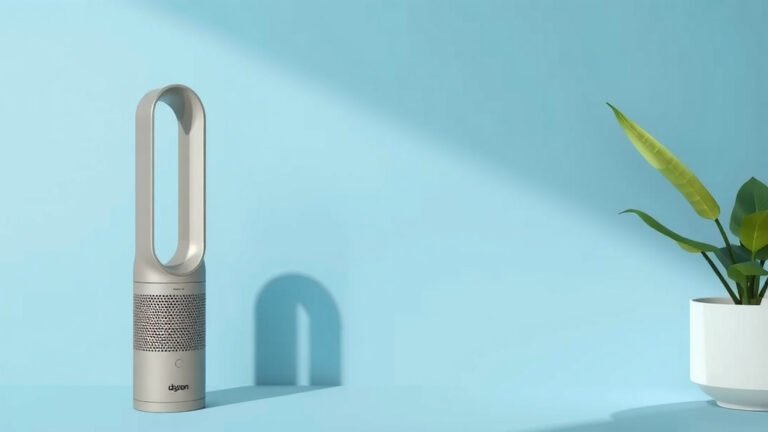
The short answer to how many air purifiers you need is: it depends on your space and air quality concerns. Generally, you’ll want at least one for each main living area, like your living room and bedroom, and potentially more for high-traffic or problem zones. This ensures you’re effectively capturing pollutants where you spend most of your time.
But it’s not just about counting rooms. Factors like room size, the severity of your allergies or asthma, and the presence of pets or smokers all play a role. Getting the right number means better air circulation and a more comfortable home environment. You might even find that strategic placement of fewer units works just as well.
- Most homes benefit from at least one air purifier per major room.
- Consider room size and air quality for placement.
- Allergies, pets, and smoking increase the need for purifiers.
- Proper placement is key to efficient air cleaning.
Let’s break down exactly how many air purifiers might be the right fit for your home and lifestyle. We’ll look at all the details to help you make the best choice.
Determining the Right Number of Air Purifiers for Your Home
So, how many air purifiers do you really need? The answer isn’t a simple one-size-fits-all. We’ve found that it truly depends on your specific living situation. Think of it like this: you wouldn’t use a tiny fan to cool your entire house, right? The same principle applies to air purification. You need the right tools for the right job.
Generally, most homes benefit from having at least one air purifier in each major living space. This typically includes your primary gathering areas and where you sleep. But we’ll dig deeper into how room size, your personal health, and even your furry friends can influence this number. Let’s get this air quality conversation rolling!
Understanding Your Home’s Air Flow and Layout
The layout of your home plays a big part. Open-concept living areas might require a more powerful unit or strategic placement of multiple purifiers. Why? Because air can circulate more freely, meaning pollutants can spread faster across larger spaces. We found that a single purifier might struggle to keep up in these situations.
Considering Specific Rooms for Purifier Placement
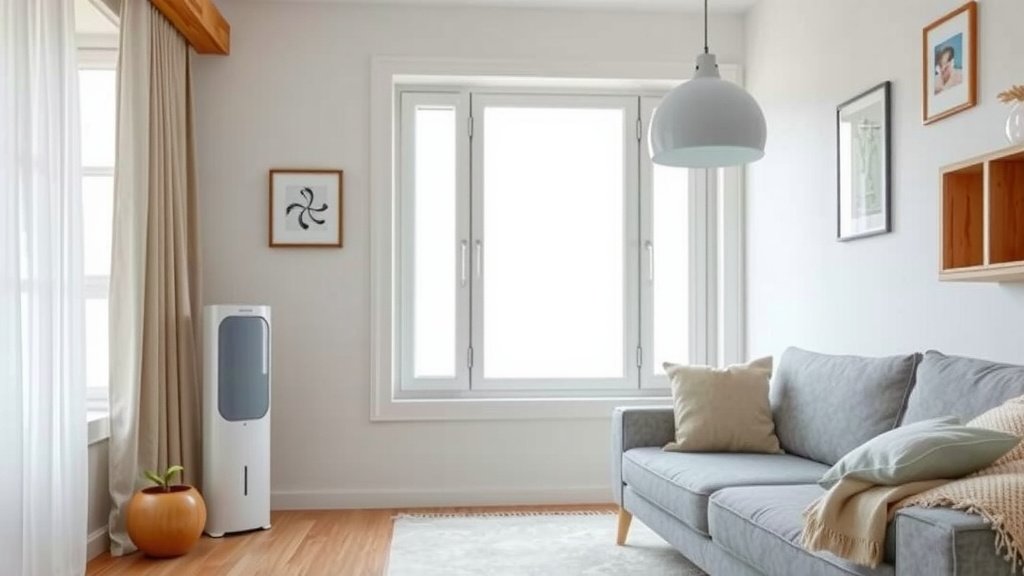
Let’s break down where you’ll likely see the biggest benefit. Your living room is a prime candidate. It’s where your family gathers, guests come over, and often, pets hang out. Ensuring clean air here is essential for everyone’s comfort.
Your bedroom is another critical area. You spend about a third of your life sleeping. During this time, your body works hard to repair itself. Breathing clean air can support this process and lead to more restful sleep. Many experts recommend a dedicated purifier for this personal sanctuary.
What about other spaces? Think about areas where you spend a lot of time or where air quality might be a bigger concern. This could include a home office, a basement playroom, or even a guest bedroom that doesn’t get much ventilation.
Room Size Matters: Matching Purifier Capacity to Your Space
This is where things get a bit more technical, but don’t worry, we’ll keep it simple. Every air purifier has a recommended room size coverage. This is usually measured in square feet. You’ll often see it listed as CADR (Clean Air Delivery Rate) on the packaging or in the product specifications.
To figure out how many you need, you first need to know the square footage of the room you want to purify. Measure the length and width of the room and multiply them together. For example, a room that’s 10 feet by 12 feet is 120 square feet.
Using CADR to Your Advantage
The CADR rating tells you how quickly an air purifier can clean the air. It’s typically rated for smoke, dust, and pollen. A higher CADR means faster cleaning.
When choosing a purifier, you want its CADR to match or exceed the needs of your room size. If a purifier is rated for rooms up to 300 square feet, and your living room is 400 square feet, one unit won’t be enough. You’d likely need two, or a single, much larger unit designed for bigger spaces.
We found that many people purchase purifiers that are too small for their rooms. This leads to disappointment because the air doesn’t feel noticeably cleaner. Always err on the side of a slightly larger capacity if you’re unsure. It’s better to have a bit more power than not enough.
| Room Size (Sq Ft) | Recommended CADR Range (Approximate) | Number of Purifiers (General Guideline) |
|---|---|---|
| Up to 150 | 100-150 | 1 (Smaller Unit) |
| 150 – 300 | 150-250 | 1 (Standard Unit) |
| 300 – 500 | 250-350 | 1 (Larger Unit) or 2 (Smaller Units) |
| 500 – 800 | 350-450 | 1 (Extra-Large Unit) or 2-3 (Standard Units) |
| 800+ | 450+ | Multiple Units or Specialized Systems |
The Importance of Air Changes Per Hour (ACH)
Another factor to consider is ACH, or Air Changes Per Hour. This metric indicates how many times the air in a room is completely filtered by the purifier in one hour. For general use, aiming for 2-3 ACH is usually sufficient.
However, if you have severe allergies or asthma, experts often recommend a higher ACH, ideally 4-5 ACH (CDC). This means more frequent filtering and potentially a cleaner environment for sensitive individuals. You might need more units or higher-performance models to achieve this.
Addressing Specific Air Quality Concerns
Beyond room size, your specific needs are a major driver. What issues are you trying to solve with an air purifier? Are you battling seasonal pollen, dealing with pet dander, or trying to reduce smoke odors? Your answer will shape how many purifiers you need and where they should go.
Allergies and Asthma: A Higher Need for Clean Air
If you or someone in your household suffers from allergies or asthma, the need for effective air purification increases significantly. Pollutants like dust mites, pet dander, mold spores, and pollen can trigger symptoms. The Mayo Clinic suggests that air purifiers can help reduce indoor allergens.
For these individuals, we found that having purifiers in both the bedroom and main living areas is often a minimum requirement. Some people even opt for a small, portable unit they can move from room to room, ensuring clean air is always nearby. It’s about creating as many clean air zones as possible.
Pets in the Home: Managing Dander and Odors
Furry friends are wonderful, but they can also be a source of airborne irritants. Pet dander is a common allergen, and pet odors can be persistent. If you have pets, especially multiple pets or long-haired breeds, you’ll likely benefit from more robust air purification.
Consider placing a purifier in the rooms where your pets spend the most time. This might be the living room, or even a dedicated pet area. A unit with a good activated carbon filter is also a smart choice for tackling odors effectively. You might need an extra unit specifically for areas prone to smells.
Smoking Indoors: A Priority for Air Quality
If anyone in your household smokes indoors, air purification becomes a top priority. Secondhand smoke contains hundreds of harmful chemicals and fine particles. The U.S. Surgeon General highlights the health risks associated with secondhand smoke exposure.
In homes where smoking occurs, we found that multiple, powerful air purifiers are essential. One should be placed in the room where smoking typically happens. Additional units in adjacent rooms or high-traffic areas can help capture lingering smoke particles and odors. Look for units with substantial carbon filters designed for smoke.
Strategic Placement: Making Every Purifier Count
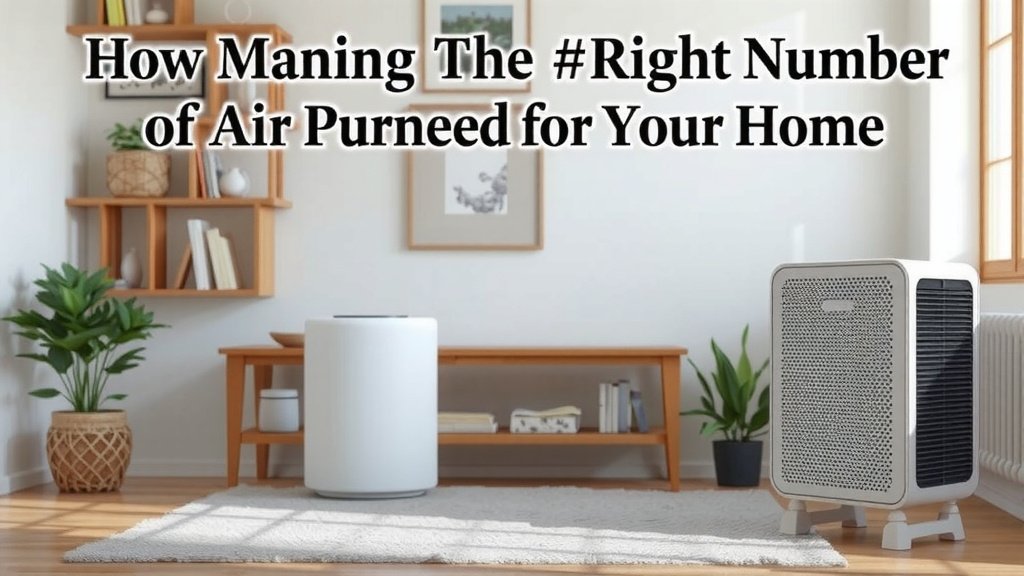
Even with the right number of purifiers, placement is key. You want to maximize their effectiveness. Think about where the air circulates in your home. Air purifiers work best when they can draw in air from the room and then disperse clean air back out.
Avoid placing them directly against walls or furniture, which can obstruct airflow. They need some breathing room. We found that placing a purifier in a central location within a room often works wonders. It allows for better circulation of purified air throughout the space.
If you have a particularly large or oddly shaped room, you might need to experiment with placement to find the sweet spot. Sometimes, two smaller units placed in different areas of a large room can be more effective than one large unit in the center.
Creating Zones of Clean Air
Think about creating “zones” of clean air. Your bedroom is a personal zone for rest. Your living room is a communal zone for relaxation and socializing. Each zone benefits from its own dedicated air purification.
If you’re dealing with a specific problem, like a moldy basement, that area might warrant its own specialized purifier. It’s about addressing the most pressing needs first and then expanding your coverage from there.
A Quick Checklist for Your Air Purifier Needs:
- Assess the size of each room you want to purify.
- Check the CADR rating of potential air purifiers.
- Consider the number of occupants and pets.
- Factor in any allergies, asthma, or smoke concerns.
- Think about open-concept versus closed-off spaces.
- Plan for strategic placement for optimal airflow.
Conclusion
So, how many air purifiers are right for your home? We’ve seen that it’s not just a simple count of rooms. Your answer depends on room size, your specific health needs like allergies or asthma, and even whether you have pets or smoke indoors. Generally, aim for at least one unit in your main living areas and bedrooms. Always check the CADR rating against your room’s square footage to ensure effective air cleaning. Don’t forget that strategic placement is just as important as the number of units you own. Your next step is to measure your rooms and assess your household’s unique air quality needs. This will guide you in choosing the right purifiers for a healthier home environment.
Frequently Asked Questions
Do I need a separate air purifier for every bedroom?
While it’s ideal, it’s not always necessary. If your bedrooms are relatively small and close together, one unit might be sufficient for two rooms if placed strategically. However, for optimal air quality during sleep, a dedicated purifier in each bedroom, especially for those with allergies or respiratory issues, is highly recommended. We found this provides the most consistent clean air where you spend your resting hours.
Can one large air purifier cover multiple rooms in an open-concept home?
It’s possible, but it depends heavily on the purifier’s power and the layout. A very powerful unit with a high CADR rating might be able to clean the air in a large open space. However, in many open-concept homes, air circulates freely, so you might still benefit from a second unit or strategic placement to ensure all areas receive adequate purification. We advise checking the manufacturer’s recommended coverage area carefully.
What if my rooms are larger than the air purifier’s recommended square footage?
If your room exceeds the purifier’s stated coverage, one unit simply won’t be enough. You’ll likely need to either purchase a larger, more powerful unit designed for bigger spaces or use two smaller units strategically placed within the room. This ensures effective air circulation and filtration across the entire space. We discovered that undersizing a purifier is a common mistake that leads to poor results.
Do I need more air purifiers if I have pets?
Yes, generally you will benefit from more air purification if you have pets. Pets contribute dander and can sometimes bring in outdoor allergens and odors. We recommend placing a purifier in the rooms where your pets spend the most time, and ensuring it has a good activated carbon filter to help with odors. You may need an extra unit compared to a pet-free home of similar size.
How many air purifiers are recommended for a smoker’s home?
For homes where smoking occurs indoors, multiple powerful air purifiers are essential. We found that at least one high-performance unit should be in the primary smoking area, with additional units in adjacent rooms or high-traffic areas to capture lingering smoke particles and odors. Units with robust activated carbon filters are particularly effective for smoke.
![5 Best Air Purifier for Cats With Asthma [In 2026]](https://homeunderstandable.com/wp-content/uploads/2025/06/best-air-purifier-for-cats-with-asthma-top-picks-for-allergy-relief-768x512.jpg)
![5 Best Levoit Air Purifier for Large Room [In 2026]](https://homeunderstandable.com/wp-content/uploads/2025/05/best-levoit-air-purifier-for-large-room-top-picks-for-fresh-air-768x432.jpg)