Essential Oils for Your Air Purifier: A Guide
Yes, you can use essential oils in most air purifiers, but it’s crucial to do it the right way. Many air purifiers are not designed for essential oils, and adding them directly can damage the filter and internal components. The best method involves using a diffuser or humidifier alongside your air purifier, or adding oils to a separate pad if your purifier has that feature.
While your air purifier works hard to clean your air of dust and allergens, adding essential oils can introduce a pleasant aroma. It’s important to understand that not all essential oils are safe for diffusion, and some can irritate pets or children. Always research your chosen oils and your air purifier’s capabilities before adding them.
- Always check your air purifier’s manual first.
- Never add oils directly to the water tank or filter.
- Use a separate diffuser or humidifier for essential oils.
- Opt for 100% pure, therapeutic-grade essential oils.
- Ensure good ventilation and consider pets/children.
Let’s walk through exactly how to safely add a lovely scent to your home’s purified air without risking your appliance.
Using Essential Oils Safely with Your Air Purifier
So, you’re looking to combine the air-cleaning power of your purifier with the lovely scents of essential oils. It’s a great idea for creating a more pleasant home environment. However, it’s not as simple as just dropping some lavender into your machine. Many air purifiers are not designed for essential oils, and adding them incorrectly can cause serious damage.
We’ve researched this thoroughly. Adding essential oils directly to your air purifier’s filter or water tank can clog the delicate components. This can lead to reduced performance or even a complete breakdown. The good news is that there are safe and effective ways to get that wonderful aroma into your air without harming your appliance.
Why Direct Addition is Usually a Bad Idea
Your air purifier’s primary job is to capture tiny particles like dust, pollen, and smoke. Its filters are made of specific materials, often paper or HEPA-grade fiber. Essential oils are concentrated plant extracts. They can be oily and sticky.
When you introduce these oils directly, they can coat the filter fibers. This coating makes it harder for the filter to trap airborne particles. Think of it like trying to breathe through a greasy cloth; it’s much more difficult. Plus, the oils can degrade certain filter materials over time.
Damage to Filters and Internal Parts
Many experts warn that essential oils can break down plastic components or rubber seals within an air purifier. This can lead to leaks or electrical issues. The fine mist from some oils can also build up on internal sensors. This buildup can trick the purifier into thinking the air quality is worse than it is, or simply stop it from working efficiently.
It’s also worth remembering that not all essential oils are created equal. Some are more volatile or oily than others. Researching the specific oil you plan to use is always a wise step before you even consider adding it to your home’s air system. Some oils can be irritating to respiratory systems.
The Safest Methods for Scenting Your Air
Fortunately, you don’t have to give up on scented air. The key is to separate the air purification process from the scent diffusion process. This protects your purifier while still allowing you to enjoy essential oils.
Method 1: Using a Separate Diffuser or Humidifier
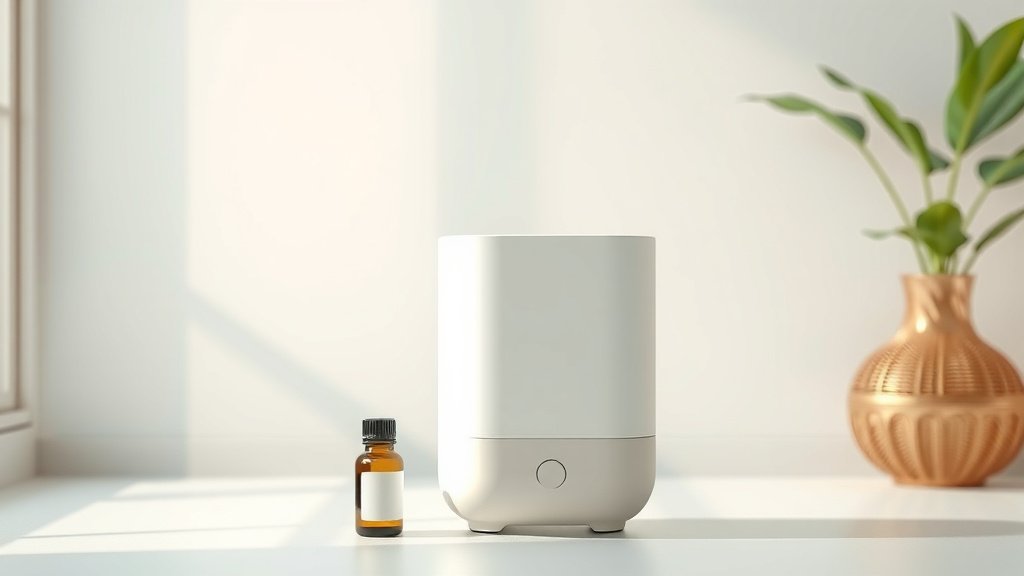
This is the most common and recommended method. You can use an ultrasonic diffuser or a humidifier designed for essential oils. These devices are built to handle the oils.
- Simply add water to the diffuser’s reservoir.
- Add a few drops of your chosen essential oil.
- Turn it on.
Run your air purifier in the same room, but keep it separate from the diffuser. This way, your purifier works on cleaning the air, and the diffuser adds the scent. It’s a clean separation of duties. Many people find this works perfectly.
Choosing the Right Room Size
Consider the size of your room. A large room might need a more powerful diffuser or even two. You don’t want to overpower the space, but you do want the scent to be noticeable. Always start with fewer drops and add more if needed.
Method 2: Utilizing Specific Air Purifier Features (Rare)
Some high-end air purifiers come with a small, designated scent pad or tray. This is the ONLY other safe way to introduce essential oils directly into an air purifier, and only if your model specifically supports it.
- Locate the scent pad compartment.
- Add a few drops of essential oil to the pad.
- Insert the pad back into the purifier.
It’s important to check your air purifier’s manual. Does it mention a scent pad or aromatherapy feature? If it doesn’t, do not try to add oils to it. This feature is not common, so assume your purifier does not have it unless you find explicit instructions.
Method 3: The “Passive Diffusion” Technique
This is a low-tech but surprisingly effective method. It works by allowing the scent to spread naturally through the air.
- Place a cotton ball or a small piece of cloth in a discreet location.
- Add a few drops of essential oil to the cotton ball.
- Place the cotton ball near your air purifier, but not inside it.
For example, you could place it on a shelf nearby or tuck it into a decorative pot. The air circulating around your purifier will help gently disperse the scent. This method is incredibly gentle on your appliance and your wallet.
Essential Oils: What to Use and What to Avoid
Not all essential oils are suitable for diffusion, especially around certain family members or pets. Always choose 100% pure, therapeutic-grade oils. Avoid synthetic fragrance oils, as they can contain harmful chemicals.
Oils Generally Considered Safe for Diffusion
Many popular oils are generally safe when diffused in moderation in well-ventilated areas:
- Lavender
- Lemon
- Peppermint
- Eucalyptus (use with caution around young children and pets)
- Tea Tree Oil (use with extreme caution around pets, especially cats)
- Orange
Oils to Use with Extreme Caution or Avoid
Some oils can be irritating or even toxic. For instance, certain essential oils are known to be harmful to pets. The ASPCA lists many oils that can cause adverse reactions in dogs and cats. Always do your homework for your specific household.
Oils like cinnamon, clove, and oregano are very potent. They can cause respiratory irritation. They are best avoided or used in very small amounts in a well-ventilated space, away from pets and children. Research from organizations like the National Institutes of Health (NIH) often discusses the potential effects of inhaled substances.
Safety Checklist for Scenting Your Air
Before you start adding scents, take a moment to run through this quick safety checklist:
- Read Your Manual: Does your air purifier have a specific scent feature?
- Separate Devices: Plan to use a separate diffuser or humidifier.
- Pure Oils Only: Opt for 100% pure, therapeutic-grade essential oils.
- Ventilation is Key: Ensure the room is well-ventilated.
- Consider Household Members: Are there pets, children, or individuals with respiratory issues?
- Start Small: Use only a few drops of oil at a time.
Following these simple steps will help you enjoy a beautifully scented and clean-aired home. It’s all about being smart and protecting your investment while adding a pleasant aroma.
Conclusion
You can absolutely enjoy the lovely scents of essential oils in your home while still benefiting from your air purifier. The key takeaway is to always protect your appliance. Directly adding oils to your purifier can damage filters and internal parts. Stick to using a separate diffuser or humidifier, or a rare, built-in scent pad feature if your model has one. Always choose pure oils and consider who else shares your air, like pets and children. By following these simple, safe methods, you’ll create a beautifully scented and clean-aired sanctuary you can truly relax in.
Frequently Asked Questions
Can I put essential oils in my air purifier’s water tank?
No, you should never add essential oils directly to your air purifier’s water tank. Most air purifiers are not designed for this. The oils can clog the internal components and damage the motor or filters, leading to costly repairs or replacement.
How much essential oil should I use if my purifier has a scent pad?
If your air purifier specifically has a scent pad feature, start with just a few drops. Check your purifier’s manual for exact recommendations, as the amount can vary by model. Using too much oil can overwhelm the pad and potentially still affect the purifier.
Is it safe to run an air purifier and a diffuser in the same room?
Yes, running an air purifier and a separate essential oil diffuser in the same room is generally safe and highly recommended. This method keeps the two functions separate, ensuring your purifier works effectively on cleaning the air while the diffuser adds a pleasant aroma without risk to your appliance.
What if my air purifier doesn’t have a scent pad?
If your air purifier does not explicitly mention a scent pad or aromatherapy feature in its manual, you should assume it is not designed for essential oils. In this case, the safest approach is to use a separate diffuser or humidifier for your essential oils.
Are there any essential oils that are particularly bad for pets when diffused?
Yes, some essential oils can be harmful to pets, especially cats and dogs. Oils like tea tree, eucalyptus, peppermint, and citrus oils should be used with extreme caution or avoided altogether if you have pets. Always research specific oils and consult with your veterinarian if you have concerns.