How Often Should Your Air Purifier Run for Best Results
In 2026, we’re all about optimizing our home environments, and that includes the air we breathe. So, how often *should* your air purifier actually run to get the most bang for your buck? Think of it less as a switch you flip and more as a constant guardian for your indoor air quality. While turning it on and off might seem efficient, for truly consistent, healthy air, most experts now lean towards continuous operation or at least a solid 12-hour daily cycle. This is especially crucial if allergies are a concern or if your region grapples with less-than-ideal outdoor air, ensuring your purifier is always working to maintain that pristine indoor atmosphere.
Running your air purifier consistently helps it effectively remove pollutants like dust, pollen, pet dander, and smoke. This constant operation means the filter is always working to trap airborne irritants. You’ll notice a difference in air freshness, and it can be a real game-changer for your home’s overall air quality.
- Run your air purifier for at least 12 hours daily.
- Continuous operation (24/7) is ideal for best results.
- This helps consistently remove dust, pollen, and other allergens.
- It’s key for maintaining a healthier indoor environment.
- Consider longer run times during allergy season or high pollution days.
Let’s dive into the details and figure out the best running schedule for your specific needs.
How Long Should Your Air Purifier Be Running?
The general consensus from air quality experts is clear: you should run your air purifier for as long as possible. For most households, this means setting it to run continuously, 24 hours a day, 7 days a week. Think of it like keeping your home’s air consistently clean, rather than just tidying up now and then. This constant operation ensures a steady removal of airborne particles.
Understanding Your Air Purifier’s Job
An air purifier’s main function is to cycle air through its filters. These filters trap microscopic particles that can affect your health and comfort. These include dust, pollen, pet dander, mold spores, and even volatile organic compounds (VOCs) from everyday products. The longer the air circulates, the more particles the purifier can capture. This is why continuous use is recommended.
The Benefits of Continuous Operation
When you run your air purifier 24/7, you’re essentially creating a constant shield against indoor air pollution. This is especially important for individuals with allergies, asthma, or other respiratory conditions. Continuous operation means that the levels of allergens and irritants remain consistently low. You won’t experience sudden spikes in pollutants when the purifier is off.
Consider this: dust particles settle quickly. If your purifier runs only a few hours a day, those settled particles can easily get kicked back up into the air. Continuous running helps prevent this re-circulation. It’s like having a vigilant guardian for your indoor air quality. You’ll notice a difference in how fresh your home feels, and potentially see a reduction in allergy symptoms.
When is Running it Less Than 24/7 Still Okay?
While 24/7 is ideal, there are situations where running your air purifier for at least 12 hours a day can still be effective. This is often recommended for less severe air quality concerns or in homes without specific sensitivities. If your primary goal is general air freshening and reducing occasional odors, a longer daily run time might suffice.
Many manufacturers suggest operating their units for at least 8-12 hours daily. We found that using this schedule can offer a noticeable improvement in air freshness for many users. It’s a good middle ground if constant operation feels excessive or you have concerns about energy consumption. However, for optimal results, especially with pressing air quality issues, more is generally better.
Factors Influencing Your Air Purifier’s Run Time
Your personal circumstances play a big role in deciding how long your air purifier should hum away. What works for one household might not be the perfect fit for another. Let’s look at what you should consider.
Your Home Environment
Is your home located in an area known for poor outdoor air quality? Think about places near busy highways, industrial zones, or wildfire-prone regions. If so, pollutants can easily seep indoors. In these cases, running your purifier 24/7 is a wise choice to combat outdoor intrusions. The Environmental Protection Agency (EPA) often points to the importance of maintaining good indoor air quality, especially when outdoor levels are compromised.
What about pets? Our furry friends are adorable, but they shed dander that can linger in the air. If you have pets, especially multiple ones, a continuous run time will help keep dander levels down. This can be a lifesaver for pet owners who also suffer from allergies. We found that consistent operation dramatically reduces the presence of pet allergens over time.
Allergies and Health Conditions
Do you or someone in your household struggle with allergies, asthma, or other respiratory sensitivities? If the answer is yes, then running your air purifier around the clock is highly recommended. Constant filtration means a consistent reduction of triggers like pollen, dust mites, and mold spores. This can lead to fewer flare-ups and more comfortable breathing.
Research from organizations like the American College of Allergy, Asthma & Immunology suggests that maintaining low allergen levels indoors is key for symptom management. For those highly sensitive, even short periods of reduced filtration can allow allergens to build up again. Therefore, keeping the purifier running provides the most sustained relief. It’s about creating a sanctuary from airborne irritants.
Specific Air Quality Concerns
Are there specific events that impact your air quality? This could include seasonal allergies, smoke from wildfires, or even odors from cooking or household chemicals. During these times, you might want to increase the run time of your air purifier. Some models have “auto” modes that detect changes in air quality and adjust their fan speed accordingly. This is a great feature for hands-off air purification.
For instance, if you know pollen counts are expected to be high, or if there’s smoke in the air from a nearby fire, running your purifier 24/7 is the smartest move. The CDC recommends taking steps to improve indoor air quality during periods of poor outdoor air. For many, this includes consistent use of an air purifier. It’s a way to take control of the air you breathe.
Maximizing Your Air Purifier’s Effectiveness
Beyond just how long you run it, a few other things can help your air purifier do its best work. These are simple steps that make a big difference.
Proper Placement Matters
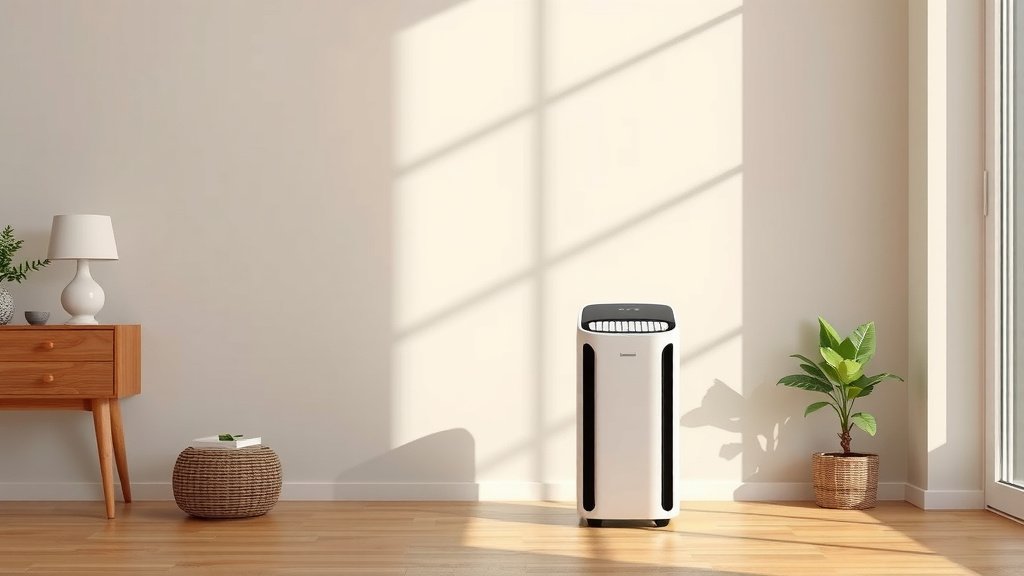
Where you put your air purifier can impact how well it cleans the air. Place it in the room where you spend the most time, like your bedroom or living room. Ensure there’s adequate space around it for air to circulate freely. Don’t tuck it away in a corner behind furniture. We found that giving your purifier about 2-3 feet of clearance on all sides helps optimize its performance.
Regular Filter Maintenance
This is absolutely critical. Air purifiers are only as good as their filters. If the filters are clogged with trapped pollutants, they can’t effectively clean the air. You’ll also find that a dirty filter can even start to emit odors. Most manufacturers recommend checking and replacing filters according to the schedule in your user manual. This is often every 6-12 months, depending on usage and air quality.
A Quick Checklist for Optimal Air Purifier Use
- Run it continuously (24/7) for best results.
- Aim for at least 12 hours daily if 24/7 isn’t feasible.
- Place it in a central location in your main living space.
- Ensure good airflow around the unit (2-3 ft clearance).
- Change filters on time, as recommended by the manufacturer.
- Monitor air quality indicators if your unit has them.
Conclusion
You’ve learned that running your air purifier continuously, or at least 12 hours daily, is key for consistently clean air. For the best results, especially if you have allergies or live in a polluted area, 24/7 operation is highly recommended. This constant filtration creates a shield against allergens and irritants. Remember to consider your home environment, health conditions, and any specific air quality concerns when setting your run time. By following these guidelines and maintaining your unit, you can ensure you’re always breathing healthier, fresher air in your home. Your next step is to check your current usage and adjust it for optimal air quality.
Frequently Asked Questions
Do I need to run my air purifier all day and night?
For the best air quality, running your air purifier 24/7 is ideal. This ensures continuous removal of pollutants. If that’s not possible, aim for at least 12 hours daily to capture most airborne particles.
Will running my air purifier 24/7 use too much electricity?
Modern air purifiers are designed to be energy-efficient. While continuous use will add to your electricity bill, the cost is often offset by the improved air quality and potential health benefits. Many models have low energy consumption settings.
Can I turn my air purifier off when I’m not home?
You can turn it off when you’re away, but keep in mind that pollutants will start to accumulate again. For maximum benefit, especially with allergies or pets, try to maintain consistent run times. If you must turn it off, try to run it for longer periods when you are home.
Is it okay to run my air purifier for only a few hours a day?
Running your air purifier for just a few hours a day will provide some benefit, but it won’t be as effective as longer run times. It will help reduce some pollutants, but the air quality may not be consistently clean. For significant improvements, aim for the recommended 12+ hours or continuous operation.
What happens if I forget to run my air purifier for a day?
If you forget to run your air purifier for a day, your indoor air quality will be less clean than usual. Pollutants that would have been captured will remain in the air or settle. Don’t worry too much; just resume your regular schedule. Consistent use over time is what matters most.