
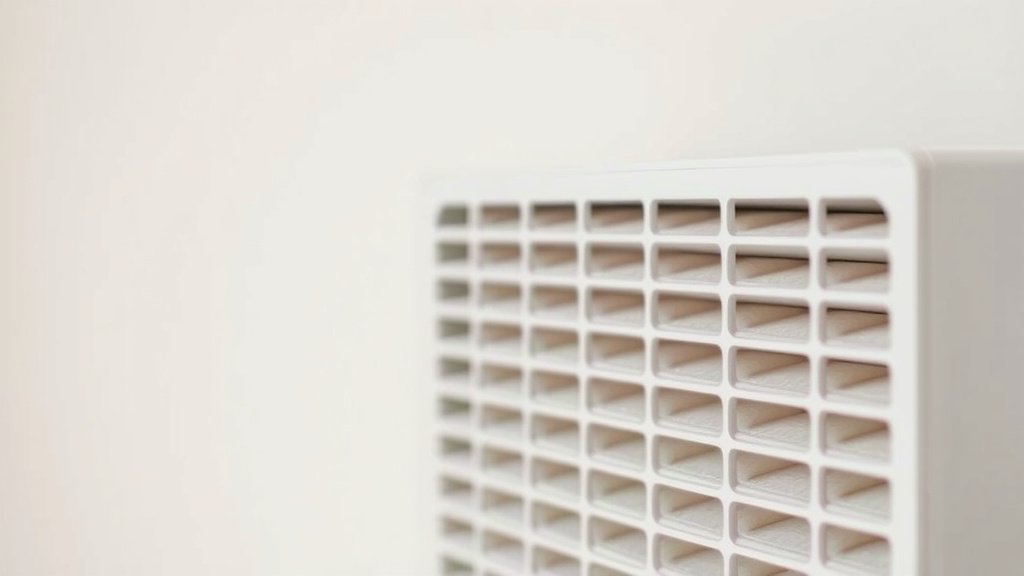
How Often to Change Your HEPA Filter
You should generally change your HEPA filter in an air purifier every 6 to 12 months. This timeframe can shift based on your air quality and how often you run the unit. Ignoring this maintenance can make your purifier less effective and even recirculate dust.
Knowing when to replace your HEPA filter is key for keeping your indoor air clean. Factors like pet dander, dust levels, and even cooking fumes all play a role. Many manufacturers offer specific recommendations, but general guidelines exist for most HEPA filter types. We found that consistent replacement ensures your air purifier truly works its magic.
- HEPA filters usually need changing every 6-12 months.
- Usage frequency and air quality matter a lot.
- Dirty filters reduce your purifier’s effectiveness.
- Check your air purifier’s manual for exact advice.
- A clean filter means cleaner air for you.
Let’s walk through the factors that influence how often you need to swap out your HEPA filter, so you can breathe easier.
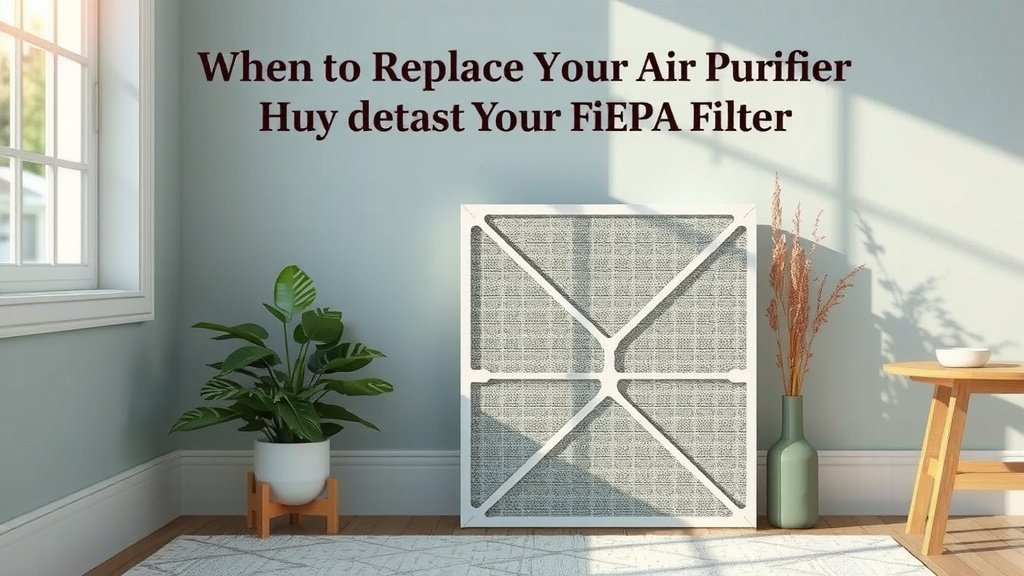
“`htmlWhen to Replace Your Air Purifier’s HEPA Filter
You might be wondering, “How often should I really be swapping out that HEPA filter in my air purifier?” It’s a common question, and the short answer is: it depends! But generally, you’re looking at a replacement window of 6 to 12 months. This range isn’t arbitrary; it’s based on how much work that little filter is doing to clean your air.
Think of your HEPA filter like a very diligent housekeeper. It’s constantly busy trapping dust, pollen, pet dander, and other tiny particles floating around your home. Over time, it gets full. When it’s saturated, it can’t capture new pollutants as effectively. In fact, a clogged filter might even start to release some of the gunk it’s been holding onto. That’s why timely replacement is so important for your home’s air quality.
Understanding HEPA Filter Lifespan Factors
Several key elements influence how quickly your HEPA filter needs a refresh. The most significant ones are the quality of your indoor air and how frequently you run your air purifier. Let’s break these down a bit more.
Your Home’s Air Quality Matters
Is your home a sanctuary of fresh air, or is it more of a magnet for dust bunnies and pet hair? If you have pets, live in an area with high pollen counts, or deal with a lot of airborne dust, your HEPA filter will likely get clogged faster. Consider homes with:
- Frequent visitors and activity
- Open windows often, letting in outdoor pollutants
- Proximity to busy roads or industrial areas
- Smokers in the household
How Often Do You Run Your Air Purifier?
This one is pretty straightforward. If your air purifier is running 24/7, it’s going to collect particles much faster than a unit you only use for a few hours a day. For maximum benefit, many experts recommend running your air purifier continuously, especially in bedrooms or main living areas (Cleveland Clinic). This constant operation means more wear and tear on the filter. If you run your unit constantly, expect to replace the filter more frequently.
Manufacturer Recommendations: Your Filter’s Best Friend
While general guidelines are helpful, your air purifier’s manufacturer knows their product best. They’ve designed and tested it extensively. That’s why the owner’s manual is your absolute go-to resource. It will typically provide a specific recommendation for your model’s HEPA filter life. Many manufacturers will state a replacement interval like “every 6 months” or “up to 12 months.” Always check this information first.
Why is the manual so important? Different air purifiers use different types of HEPA filters and have varying fan speeds and filtration systems. What works for one model might not be ideal for another. Sticking to the manufacturer’s guidance helps ensure your air purifier operates at its peak efficiency, just as intended.
Signs Your HEPA Filter Needs Replacing
Sometimes, your air purifier will give you obvious clues that it’s time for a new HEPA filter. You don’t always have to rely solely on a calendar. Keep an eye out for these tell-tale signs:
Reduced Airflow
Have you noticed that the stream of clean air coming from your purifier seems weaker than before? This is a classic symptom of a clogged filter. The trapped dust and debris are physically blocking the airflow. It’s like trying to breathe through a thick blanket – tough and ineffective. If you have to turn the fan speed way up just to feel a breeze, it’s likely time to change the filter.
Unpleasant Odors Persist
Air purifiers with HEPA filters are great at capturing particles, but some also have activated carbon pre-filters designed to tackle odors from cooking, pets, or smoke. When the HEPA filter becomes saturated, it can’t hold onto these odor-causing particles effectively anymore. If you notice that lingering smells are returning or not being eliminated, a dirty HEPA filter might be the culprit. A fresh filter can make a world of difference in eliminating those stale odors.
Visible Dirt and Grime
Take a peek at your filter if you can access it. Does it look gray, dark, or caked with visible dust and debris? This is a clear indication that it’s done its job and is now full. Some filters are white or light-colored when new, making it easier to see the dirt build-up over time.
Indicator Lights
Many modern air purifiers come equipped with a filter change indicator light. This is a super convenient feature! When this light illuminates, it’s a direct signal from the machine that it’s time for maintenance. Don’t ignore it! These indicators are usually set to alert you based on estimated run time or air quality sensors, providing a pretty accurate nudge.
A Quick Checklist for Filter Replacement
To make it easy to remember, here’s a simple checklist:
- Check your air purifier’s manual for the manufacturer’s recommended lifespan.
- Note how often you run your air purifier. More use means faster saturation.
- Consider your home environment: pets, allergies, and dust levels.
- Look for signs like reduced airflow or persistent odors.
- Watch for the filter change indicator light on your unit.
- Schedule a reminder on your phone or calendar for filter checks.
Extending HEPA Filter Life (Slightly!)
While you can’t prevent a filter from eventually becoming saturated, there are a few things you can do to help it last a bit longer and maintain its effectiveness. First, regularly clean the pre-filter. Many air purifiers have a washable pre-filter that catches larger particles like hair and lint. Cleaning this regularly (often weekly or bi-weekly) prevents those larger particles from reaching and clogging the HEPA filter as quickly. Also, ensure your air purifier is placed in a location where it can properly circulate air without being obstructed.
We found that keeping up with pre-filter maintenance can sometimes extend the HEPA filter’s life by a couple of months. It’s a small step that can make a noticeable difference in your overall maintenance schedule and costs. Remember, a clean system works best!
“`
Conclusion
You’ve learned that changing your HEPA filter typically happens every 6 to 12 months. Your home’s air quality and how much you use your purifier are key factors. Watching for signs like reduced airflow or persistent odors helps you know when it’s time. Always check your manufacturer’s manual for the most precise advice. By staying on top of filter changes, you ensure your air purifier keeps your indoor air clean and healthy for you and your family. Make it a habit to check your filter regularly!
Frequently Asked Questions
Can I wash my HEPA filter instead of replacing it?
Generally, no. True HEPA filters are designed to trap microscopic particles and are not meant to be washed. Washing can damage the filter media, making it less effective or even causing it to break apart. Always refer to your air purifier’s manual for specific cleaning instructions, which usually apply to pre-filters, not the HEPA filter itself.
How do I know if my HEPA filter is dirty without a light?
You can often tell if your HEPA filter is dirty by observing a decrease in the airflow coming from your unit. If you notice it’s much weaker than usual, it’s likely clogged. Also, visible dirt and grime on the filter itself, or a return of stale odors, are strong indicators that it needs replacing.
What happens if I don’t change my HEPA filter often enough?
If you don’t change your HEPA filter, it will become saturated with trapped pollutants. This means your air purifier will stop cleaning the air effectively. Worse, a clogged filter can start to recirculate dust and allergens back into your home, and the unit may have to work harder, potentially shortening its lifespan.
Are there air purifiers that don’t require HEPA filter replacements?
Most air purifiers that use HEPA filtration will require regular HEPA filter replacements, as the filter’s job is to trap particles. Some technologies, like certain electrostatic precipitators, might have washable collection plates instead of disposable HEPA filters, but they often come with their own maintenance needs and may not capture particles as effectively as true HEPA.
Can using my air purifier on a higher setting make the filter wear out faster?
Yes, running your air purifier on a higher setting means the fan is working harder and pulling more air through the filter. This increased airflow can lead to the filter becoming saturated with particles more quickly. If you run your unit on high consistently, you might need to replace the HEPA filter at the shorter end of the recommended timeframe.
![What Is The Best Air Purifier for Cat Urine [In 2026]](https://homeunderstandable.com/wp-content/uploads/2025/06/best-air-purifier-for-cat-urine-eliminate-odors-enhance-air-quality-768x768.jpg)
