How Plants Clean Air: A Natural Purification Guide
Yes, plants can absolutely purify your air by removing toxins and improving indoor air quality. They act like tiny, natural air filters, absorbing harmful substances like formaldehyde and benzene through their leaves and roots. This process helps create a healthier environment for you and your family, especially if your home has poor ventilation.
You might be surprised to learn just how effective certain houseplants are at this. Research has shown that a few strategically placed plants can make a real difference. They don’t just look pretty; they actively contribute to cleaner air by removing volatile organic compounds (VOCs) that can off-gas from furniture and cleaning supplies.
- Plants naturally clean your indoor air.
- They absorb harmful toxins like formaldehyde.
- Certain plants are especially good at this.
- This helps create a healthier living space.
Let’s walk through exactly how your leafy friends work their magic to make your home’s air fresher and cleaner.
“`htmlYour Plants’ Role in Home Air Improvement
You’re probably wondering how these silent green roommates actually clean your air. It’s a fascinating biological process. Plants take in gases through tiny pores, much like we breathe. This isn’t just about photosynthesis; it’s a multi-step operation. Your leafy friends are more active than they seem.
The Science Behind Plant Air Purification
Plants have specialized structures that help them interact with their environment. These structures are key to how they filter your air. It’s a natural detoxification system at work.
Photosynthesis and Gas Exchange
During photosynthesis, plants take carbon dioxide from the air. They also absorb other compounds through their leaves. This happens via small openings called stomata. These stomata are like tiny mouths on the leaf surface.
Absorption Through Leaves and Roots
While photosynthesis handles CO2, other toxins are absorbed differently. Many indoor air pollutants are volatile organic compounds, or VOCs. Plants can take these VOCs into their leaves and roots. The roots, growing in the soil, are especially good at this. Microorganisms in the soil also play a big part.
How Toxins Are Broken Down
Once a plant absorbs a toxin, it doesn’t just hold onto it. The plant works to break down these harmful compounds. This is where the magic really happens. It’s a natural breakdown process that benefits you.
Microbial Action in the Soil
The soil around your plant’s roots is a living ecosystem. It’s teeming with microbes. These microbes help break down the absorbed toxins. It’s a partnership between the plant and the soil’s tiny inhabitants. Research shows this soil-based purification is very important (NCBI).
Plant Enzymes at Work
Plants themselves have enzymes. These enzymes can convert harmful compounds into less toxic substances. They essentially digest the pollutants. This process makes the air around your plants cleaner. It’s a remarkable natural defense.
Common Indoor Air Pollutants Plants Can Tackle
Many household items can release harmful chemicals. These can build up in your home over time. Plants can help reduce the levels of these common pollutants. Let’s look at a few key culprits.
Formaldehyde: A Frequent Off-Gasser
Formaldehyde is found in many common products. Think furniture, carpets, and cleaning supplies. It can irritate your eyes and throat. Many studies have shown plants are effective at removing formaldehyde (EPA guidelines). Certain plants are superstars at this.
Benzene: From Everyday Items
Benzene is another common VOC. You can find it in paints, glues, and plastics. It’s also in cigarette smoke. Exposure to benzene can be a health concern. Your plants can help lower its concentration in your home air.
Xylene and Toluene: Less Common but Harmful
These VOCs are often found in paints and industrial solvents. They can cause dizziness and headaches. While less prevalent than formaldehyde, plants can still help filter them out. It shows their broad air-purifying capability.
The NASA Clean Air Study Connection
A famous study by NASA really highlighted plant power. It looked at houseplants’ ability to remove VOCs in sealed environments. This research showed specific plants were highly effective. It opened many eyes to the potential of houseplants.
Choosing the Right Plants for Your Air Needs
Not all plants are created equal when it comes to air purification. Some are simply more efficient. If you’re looking to maximize your air-cleaning efforts, consider these top performers. These are often recommended by plant experts and researchers.
Top Air-Purifying Houseplants
Based on research, certain plants consistently rank high. They have a strong capacity for absorbing a variety of toxins. Think of them as your home’s green air force.
- Spider Plant: Easy to care for and very effective.
- Snake Plant: Known for its resilience and air-cleaning power.
- Peace Lily: Adds beauty and cleans the air well.
- Boston Fern: Excellent at removing formaldehyde.
- Areca Palm: Great for adding humidity and cleaning air.
Plants for Specific Pollutants
Some plants are particularly good at targeting certain toxins. For example, if you’re concerned about formaldehyde, a Boston Fern is a great choice. If you want broad-spectrum cleaning, a Spider Plant or Snake Plant is excellent. You can mix and match to cover your bases.
Here’s a quick look at some popular choices and what they excel at:
| Plant Type | Primary Toxins Removed | Ease of Care |
|---|---|---|
| Snake Plant | Formaldehyde, Benzene, Xylene, Toluene | Very Easy |
| Spider Plant | Formaldehyde, Xylene, Toluene | Easy |
| Peace Lily | Formaldehyde, Benzene, Trichloroethylene | Medium |
| Boston Fern | Formaldehyde, Xylene | Medium (needs humidity) |
| Chinese Evergreen | Benzene, Formaldehyde | Easy |
How Many Plants Do You Need?
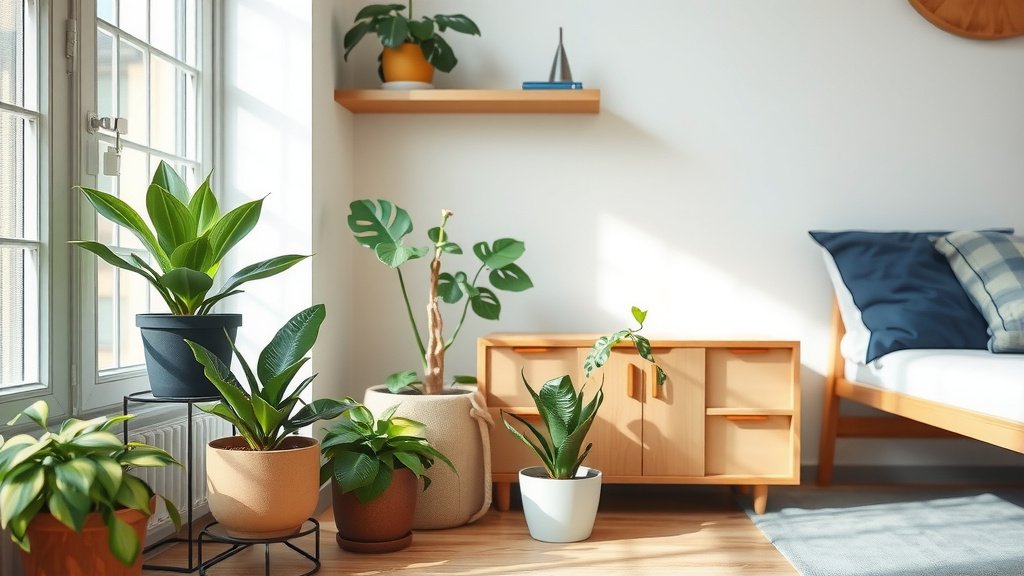
The number of plants needed can depend on your space. A general guideline is about one plant per 100 square feet. However, even a few well-chosen plants can make a difference. More plants generally mean better air quality. Don’t feel overwhelmed; start with a few.
Beyond Purification: Other Plant Benefits
While air purification is a major perk, plants offer more. They can boost your mood and reduce stress. This is a benefit backed by research. Having plants around simply makes a space feel better.
Improving Humidity Levels
Plants release water vapor through a process called transpiration. This can help increase the humidity in your home. Good humidity levels are important for your skin and respiratory system. Dry air can cause discomfort.
Reducing Stress and Improving Mood
Studies have shown that being around plants can lower stress hormones. They can also improve feelings of calm and well-being. It’s like a natural mood booster. Many people find caring for plants to be a relaxing activity.
Ready to get started on your own indoor air garden? Here’s a quick checklist:
- Choose plants known for air purification.
- Place them in areas with potential air quality issues.
- Ensure they get the right light and water.
- Don’t forget the soil; it’s a key part of the process.
- Observe your plants and enjoy the benefits.
Conclusion
You’ve learned how your houseplants are more than just decor; they’re active air purifiers. By absorbing toxins through their leaves and roots, and with the help of soil microbes, they naturally improve your home’s air quality. Top plants like the Snake Plant and Spider Plant can effectively tackle common pollutants such as formaldehyde and benzene. Now, take the next step to a healthier home by choosing a few air-purifying plants and giving them a good spot to work their magic!
Frequently Asked Questions
Do I need a lot of plants to see a difference?
You don’t need to fill your home with plants to notice improvements. Research suggests that even a few well-chosen plants can make a positive impact on your indoor air quality. Aiming for about one plant per 100 square feet is a good starting point, but start with what you can manage.
Can plants really remove all the toxins from my air?
While plants are excellent at reducing common indoor pollutants like formaldehyde and benzene, they won’t remove every single toxin. They work best as part of a broader strategy for good indoor air quality, including ventilation and reducing sources of pollution.
How do plants break down the toxins they absorb?
Once plants absorb toxins, they often break them down using enzymes within their leaves. The microbes living in the soil around the plant’s roots also play a big role, helping to digest and neutralize these harmful compounds.
Are some plants better at air purification than others?
Yes, research has shown that certain plants are more effective than others. Plants like the Snake Plant, Spider Plant, and Peace Lily are consistently noted for their strong air-purifying capabilities, effectively tackling various common pollutants.
What’s the connection between plants and indoor humidity?
Plants naturally release water vapor into the air through a process called transpiration. This can help increase humidity levels in your home, which can be beneficial for your skin and respiratory comfort, especially in dry environments.

![What Is The Best Air Purifier for Condo [In 2026]](https://homeunderstandable.com/wp-content/uploads/2025/06/best-air-purifier-for-condo.jpg)
![5 Best Air Purifier for Pets Large Room [In 2026]](https://homeunderstandable.com/wp-content/uploads/2025/05/best-air-purifier-for-pets-large-room-top-picks-for-fresh-air-768x384.jpg)