How to Clean Your Air Purifier Filter
The best way to clean your air purifier filter is to gently vacuum it with a soft brush attachment for pre-filters, or rinse and air dry HEPA filters if they are washable. Regular cleaning helps your purifier work its best and improves your home’s air quality. You might be surprised how much dust it collects!
Keeping your air purifier clean is essential for its performance. A dirty filter can’t capture pollutants effectively. We’ve found that a simple cleaning routine can extend the life of your device. It’s a small step that makes a big difference for your air.
- Vacuum pre-filters with a soft brush.
- Rinse and air dry washable HEPA filters.
- Check your purifier’s manual for specific instructions.
- Dirty filters reduce air purification efficiency.
- Clean filters mean better air for your home.
Let’s walk through exactly how to get your air purifier filter sparkling clean, step by step. We’ll cover common filter types and what you need to do.
Keeping Your Air Purifier Filter Clean
Cleaning your air purifier filter is super important. It keeps your device working well. A clean filter means you get the best air quality. We’ve found that a little regular upkeep goes a long way. This guide will help you get it done right.
Understanding Your Air Purifier Filter Types
Most air purifiers use a few common filter types. Knowing yours is the first step. This helps you choose the right cleaning method. Let’s break them down.
The Pre-Filter: Your First Line of Defense
This is usually a mesh screen. It sits in front of other filters. Its job is to catch larger particles. Think dust bunnies and pet hair. These are the easiest to clean. You’ll want to tackle this one often.
The HEPA Filter: The Workhorse
High-Efficiency Particulate Air (HEPA) filters are key. They capture tiny particles. This includes things like pollen, mold spores, and smoke. Some HEPA filters are washable, while others are not. Always check your manual first!
The Activated Carbon Filter: Odor Eater
These filters use activated carbon. It’s like a sponge for smells. It absorbs odors from cooking, pets, and smoke. Carbon filters are generally not cleanable. They need to be replaced. We’ll talk about that later.
How to Clean a Washable HEPA Filter
Some air purifiers have washable HEPA filters. This is great news for your cleaning routine! It can save you money on replacements. But you need to be gentle. Harsh cleaning can damage the filter. We found that following a few steps makes it effective.
Step 1: Gather Your Supplies
You’ll need a few things before you start. Have these ready: a soft brush, mild soap (if needed), and a clean towel. Make sure your hands are clean too. You don’t want to add more dirt.
Step 2: Gently Remove the Filter
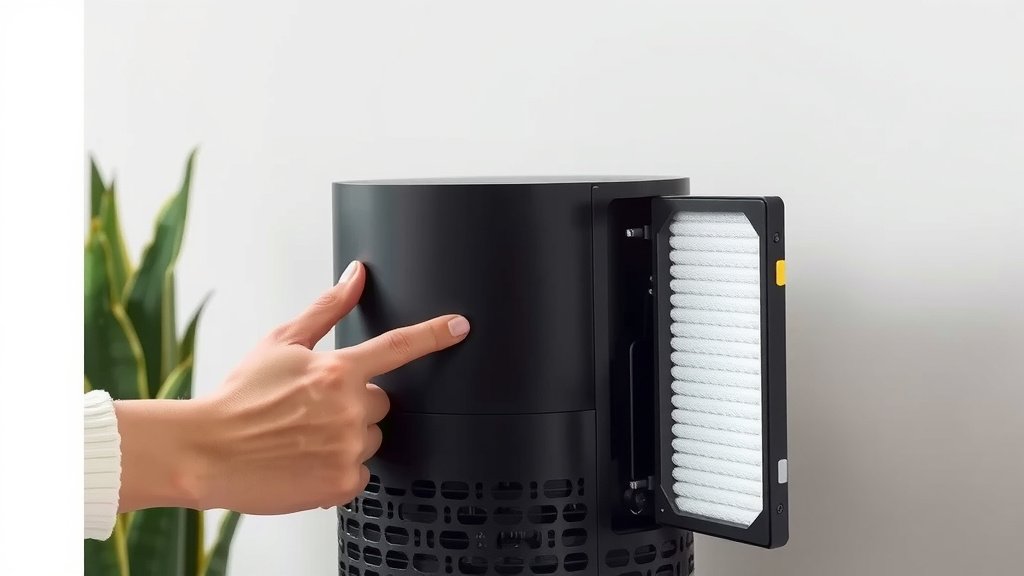
Always unplug your air purifier first. Safety first is our motto! Consult your user manual to find the filter compartment. Carefully slide or unclip the filter out. Be mindful not to dislodge any other components.
Step 3: Rinse the Filter
You can usually rinse washable HEPA filters under cool, running water. Hold the filter so the water flows in the opposite direction of airflow. This helps push trapped dust out. Avoid using hot water. It can warp the filter material. You can also use a very mild soap if the filter is heavily soiled. Rinse thoroughly to remove all soap residue. Many guidelines suggest a gentle rinse is best (Cleveland Clinic).
Step 4: Let it Air Dry Completely
This step is crucial. Never put a damp filter back into your purifier. Moisture can lead to mold growth. It can also damage the motor. Let the filter air dry completely. Place it in a well-ventilated area. Avoid direct sunlight or heat. This might take several hours or even overnight. Patience is key here. We found that waiting until it’s bone dry prevents problems.
Step 5: Reassemble Your Purifier
Once dry, gently place the filter back. Make sure it’s seated correctly. Close the filter compartment. Plug your air purifier back in. You’re all set!
How to Clean a Non-Washable HEPA or Pre-Filter
Not all HEPA filters can be washed. Pre-filters are often a different story. For these, vacuuming is your best friend. This method is quick and effective.
Step 1: Unplug and Remove
As always, unplug your air purifier. Remove the filter following your manual’s instructions. For pre-filters, this might be a simple pull-out screen.
Step 2: Use a Vacuum with a Brush Attachment
Attach the soft brush tool to your vacuum cleaner. This is important to avoid damaging the filter. Gently vacuum the surface of the filter. Work your way across. Focus on removing loose dust and debris. You want to lift the dirt off, not push it deeper in.
Step 3: Repeat on Both Sides (If Applicable)
If your filter is accessible from both sides, vacuum both. This ensures you capture as much dust as possible. Some filters have a specific airflow direction. If so, vacuum in the reverse direction of airflow. This helps dislodge particles.
Step 4: Handle with Care
Be gentle. You’re not scrubbing a floor. You’re carefully removing dust. If the filter is very old or looks damaged, it might be time for a replacement. We found that a vacuum can refresh these filters nicely.
When to Replace Your Air Purifier Filters
Cleaning helps, but filters don’t last forever. Eventually, they get too clogged to work effectively. Replacing them is part of the maintenance plan.
Check Your Manual for Lifespan
Your air purifier’s manual will tell you the recommended replacement schedule. This can vary greatly. Some filters last 6 months. Others might last up to 2-3 years. Many experts recommend checking filters every 3-6 months (CDC).
Signs Your Filter Needs Replacing
Are you noticing any of these? Your purifier running louder than usual? Air quality not improving? A visible layer of dark dust on the filter that vacuuming can’t remove? These are all signs it’s time for a new filter. Don’t wait too long. A dirty filter makes your purifier work harder and less efficiently.
Replacing Carbon Filters
Carbon filters usually cannot be cleaned. They absorb odors over time. Once they’re saturated, they lose their effectiveness. You’ll need to buy a replacement carbon filter. Check your model number to ensure you get the correct one. We found that replacing carbon filters makes a noticeable difference in odor reduction.
Quick Checklist for Filter Cleaning
Want a super quick reminder? Here’s a handy checklist:
- Always unplug your air purifier.
- Check your manual for filter type and cleaning instructions.
- Vacuum pre-filters and non-washable HEPA filters gently.
- Rinse washable HEPA filters with cool water only.
- Air dry washable filters completely before reinstallation.
- Replace filters when they are old, damaged, or no longer effective.
Troubleshooting Common Filter Issues
Sometimes, things don’t go as planned. Here are a few common hiccups and how to handle them.
Filter Smells Musty After Cleaning
This usually means the filter didn’t dry completely. Or, it dried in a humid environment. Always ensure filters are bone dry before use. If it persists, you might need a new filter. Mold can grow quickly in damp conditions.
Filter Tears or Damages During Cleaning
This means you might have been too rough. Or, the filter was already fragile. For washable filters, use a very gentle rinse. For non-washable filters, vacuum with a soft brush. If a filter is damaged, it must be replaced immediately. A damaged filter won’t capture pollutants effectively.
Purifier Still Smells Bad After Cleaning/Replacing Filter
Make sure you cleaned all the filters in your unit, if there are multiple. Check if you replaced the correct filter type. Sometimes, the issue isn’t the filter but the unit itself. Ensure the purifier’s interior is clean too. A quick wipe down can help. If problems persist, contact the manufacturer.
Conclusion
You’ve learned how to keep your air purifier’s filters in top shape! Remember, regularly cleaning or replacing your filters is key to breathing cleaner air. Vacuuming pre-filters and non-washable HEPA filters is simple. Gently rinsing and thoroughly air-drying washable HEPA filters will extend their life. For carbon filters, replacement is usually necessary. By following these steps, you ensure your air purifier works efficiently to remove dust, allergens, and odors from your home. Your next step is to check your air purifier’s manual and schedule your first filter cleaning or replacement!
Frequently Asked Questions
How often should I clean my air purifier filter?
We generally recommend checking your filters every 1-3 months. If you have pets or live in a dusty area, you might need to clean them more often, perhaps every few weeks. Always refer to your air purifier’s manual for the manufacturer’s specific guidelines.
Can I use soap and water to clean any air purifier filter?
You should only use soap and water on specific washable HEPA filters. For most pre-filters and non-washable HEPA filters, vacuuming is the recommended method. Using soap on filters not designed for it can damage them and reduce their effectiveness.
My washable filter still looks dirty after rinsing, what should I do?
If a washable filter remains visibly dirty after a gentle rinse, it might be nearing the end of its lifespan. While cleaning helps, filters can only be refreshed so many times. It might be time to consider purchasing a replacement filter to ensure optimal air purification.
Is it okay to put a slightly damp filter back in my air purifier?
Absolutely not. We’ve found that putting a damp filter back into your air purifier can lead to mold and mildew growth. It can also potentially damage the unit’s motor. Always ensure the filter is completely dry before reinstalling it.
What’s the difference between cleaning a filter and replacing it?
Cleaning is meant to remove accumulated dust and debris, restoring some of the filter’s original performance. Replacement is for when a filter is too old, damaged, or clogged to be effectively cleaned. Filters like activated carbon typically absorb odors and cannot be cleaned, requiring periodic replacement.

![5 Best Air Purifiers for College Dorms [In 2026]](https://homeunderstandable.com/wp-content/uploads/2025/04/best-air-purifiers-for-college-dorms.jpg)