How to Clean Your Air Purifier Filter August 2026
The best way to clean your air purifier filter is to vacuum it gently or rinse it with water. This simple step helps your purifier work its best. Regular cleaning means cleaner air for your home. It’s an easy task that makes a big difference.
Keeping your air purifier filter clean is important for its performance. A dirty filter can’t capture pollutants effectively. Many experts suggest cleaning filters regularly. This helps prevent unpleasant odors and ensures your machine lasts longer. It’s a key part of maintaining good air quality.
- Vacuum or rinse your air purifier filter regularly.
- This helps your air purifier work more efficiently.
- Cleaning prevents dust buildup and keeps air fresh.
- Check your manual for specific filter cleaning instructions.
- Dirty filters can make your air purifier less effective.
Let’s walk through exactly how to clean your air purifier filter step by step.
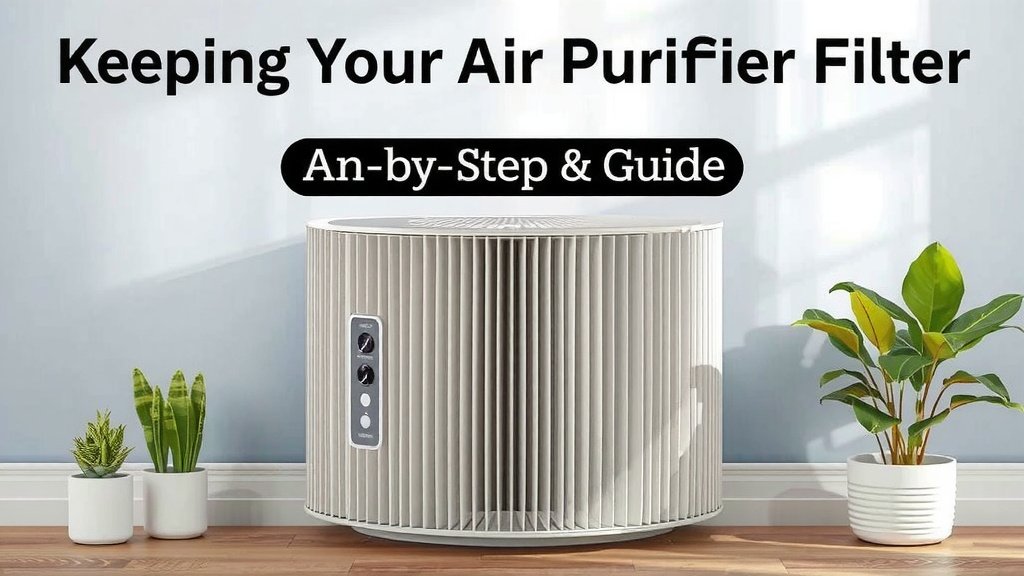
Keeping Your Air Purifier Filter Clean: A Step-by-Step Guide
Cleaning your air purifier filter is simpler than you might think. Doing this keeps your machine running smoothly. It also ensures you breathe the freshest air possible. We’ll guide you through the process so you can get the most out of your air purifier.
Understanding Your Air Purifier Filter Types
Before you start cleaning, it’s smart to know what kind of filter you have. Different filters require different care. Most air purifiers use a combination of filters. You’ll usually find a pre-filter, a HEPA filter, and an activated carbon filter.
The Role of Each Filter Layer
The pre-filter is often a mesh layer. Its job is to catch larger particles like pet hair and dust bunnies. This protects the other filters. The HEPA filter is the workhorse. It captures 99.97% of airborne particles. These include allergens, mold spores, and bacteria. The activated carbon filter tackles odors and gases. Think cooking smells or smoke.
Checking Your Owner’s Manual
Every air purifier is a little different. Your owner’s manual is your best friend here. It will tell you exactly which filters are washable. It will also give specific instructions for cleaning each type. We always recommend consulting it first. This helps avoid any accidental damage to your machine.
Getting Ready to Clean Your Air Purifier Filter
Gathering your supplies makes the job go much faster. You don’t need many fancy tools. A vacuum cleaner and a soft brush are usually enough. Some filters can be rinsed, so a sink or bathtub might be handy. Always make sure your air purifier is unplugged before you begin. Safety first, right?
Essential Cleaning Supplies
You’ll likely need:
- A vacuum cleaner with a brush attachment.
- A soft cloth or sponge.
- Mild soap (if rinsing is allowed).
- A clean, dry space to work.
Safely Accessing the Filter
Most air purifiers have an easy way to access their filters. You’ll usually need to open a panel or remove the cover. This is often on the back or side of the unit. Again, your manual will show you the exact steps. Once open, you should see the filters neatly arranged.
How to Clean Different Types of Filters
Now for the actual cleaning! The method depends on your filter type.
Cleaning the Pre-Filter
This is usually the easiest filter to clean. Many pre-filters are washable. You can often just rinse them under cool water. If it’s not too dirty, a quick vacuum might do the trick. Gently use the brush attachment on your vacuum. This loosens trapped dust without damaging the mesh.
Vacuuming the Pre-Filter
If your pre-filter is not meant to be washed, vacuuming is your go-to. Move the brush attachment slowly across the surface. Cover the entire area to pick up as much dust as possible. A light touch is key. You don’t want to rip or tear the material.
Washing the Pre-Filter
For washable pre-filters, start by rinsing off loose debris. Then, use a little mild soap and lukewarm water. Gently scrub away any stubborn dirt. Rinse thoroughly until all soap is gone. Let it air dry completely before putting it back. This is very important to prevent mold.
Cleaning HEPA and Activated Carbon Filters
Here’s a key point: most HEPA and activated carbon filters cannot be washed. They are often made of special materials. Water can damage their delicate structure. Trying to wash them can ruin their ability to filter air. So, what do you do?
The Vacuuming Method for HEPA Filters
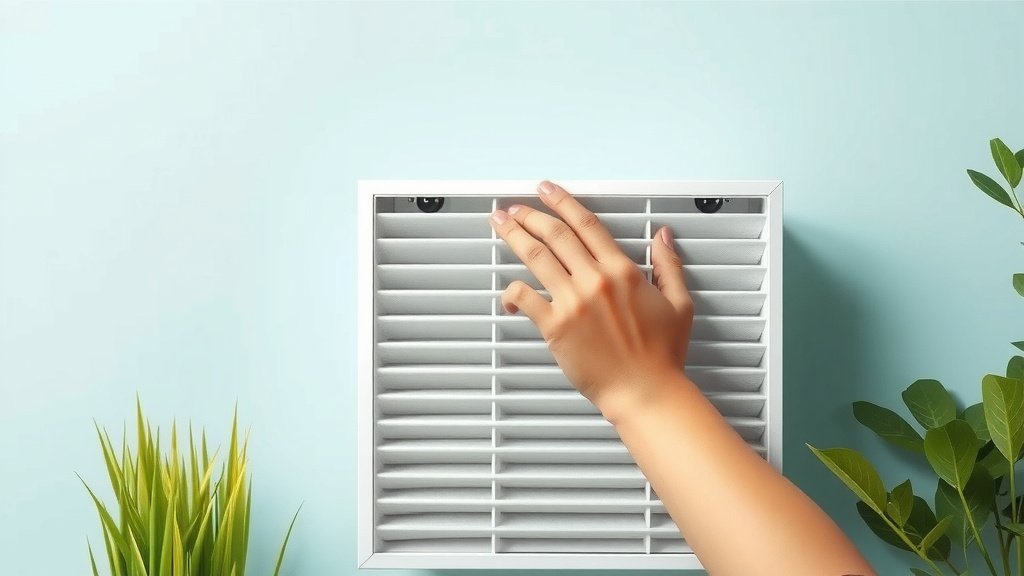
For these types of filters, gentle vacuuming is usually recommended. You’ll use the soft brush attachment. Work from top to bottom. Be very careful not to press too hard. You are trying to remove surface dust. Many experts suggest vacuuming HEPA filters once a month (CDC).
When to Replace, Not Clean
If your HEPA or carbon filter looks very dirty or damaged, it’s time for a replacement. Over time, these filters become saturated with pollutants. They simply can’t trap any more. Your manual will give you an idea of replacement intervals. This is often every 6-12 months, depending on usage.
Drying and Reassembling Your Air Purifier
Once your filters are clean (or replaced), they need to be properly dried and put back. This part is straightforward but vital.
Ensuring Filters are Completely Dry
Moisture is the enemy of air purifier filters. Any dampness can lead to mold or mildew growth. This would defeat the purpose of clean air! If you washed any part of your filter, allow ample time for it to air dry. Avoid direct sunlight or heat sources. Let them sit in a well-ventilated area until they feel totally dry to the touch.
Putting Everything Back Together
Carefully place the clean or new filters back into your air purifier. Make sure they are oriented correctly. There might be arrows or labels indicating the right direction. Close the filter compartment securely. Once it’s all back together, you can plug your air purifier back in and turn it on.
A Quick Checklist for Filter Maintenance
Here’s a simple checklist to keep your filter cleaning on track:
- Unplug your air purifier before starting.
- Consult your owner’s manual for specific instructions.
- Gently vacuum pre-filters and HEPA filters.
- Wash pre-filters only if your manual says it’s okay.
- Ensure all parts are completely dry before reassembly.
- Replace HEPA and carbon filters as recommended.
Conclusion
You’ve learned that keeping your air purifier filter clean is a straightforward process. Gently vacuuming pre-filters and HEPA filters helps maintain optimal performance. Remember to always check your owner’s manual to know which filters are washable. Ensuring filters are completely dry before reassembly prevents mold growth. By following these simple steps, you’ll enjoy cleaner air and a more efficient air purifier. Your next step is to schedule a regular filter cleaning routine for consistent fresh air in your home.
Frequently Asked Questions
How often should I clean my air purifier filter?
It’s generally recommended to clean your air purifier filter at least once a month. For HEPA filters, a gentle vacuuming once a month is often sufficient. Always refer to your owner’s manual for the manufacturer’s specific cleaning schedule. This will help you get the best performance from your unit.
Can I use a strong cleaner on my air purifier filter?
No, you should avoid using harsh chemicals or strong cleaning agents on your air purifier filters. These can damage the filter material and reduce its effectiveness. For washable pre-filters, a mild soap and water is usually all you need. Always check your manual before using any cleaning solution.
What happens if I don’t clean my air purifier filter?
If you don’t clean your air purifier filter, it will become clogged with dust and debris. This significantly reduces its ability to capture airborne pollutants. You might also notice unpleasant odors and a decrease in air quality. Over time, a dirty filter can strain your air purifier’s motor, potentially shortening its lifespan.
My air purifier filter looks dirty, but the manual says it’s not washable. What should I do?
If your manual states a filter is not washable, you should only use a vacuum cleaner with a soft brush attachment. Gently go over the surface of the filter to remove loose dust and particles. If the filter appears heavily soiled, damaged, or is past its recommended replacement date, it’s time to purchase a new one.
How can I tell if it’s time to replace my air purifier filter instead of cleaning it?
You should consider replacing your air purifier filter if it appears visibly damaged, such as tears or holes, or if it’s excessively dirty even after cleaning. Many manufacturers also provide a recommended replacement interval, often between 6 to 12 months. If your air purifier seems less effective or you notice persistent odors, it’s likely time for a new filter.