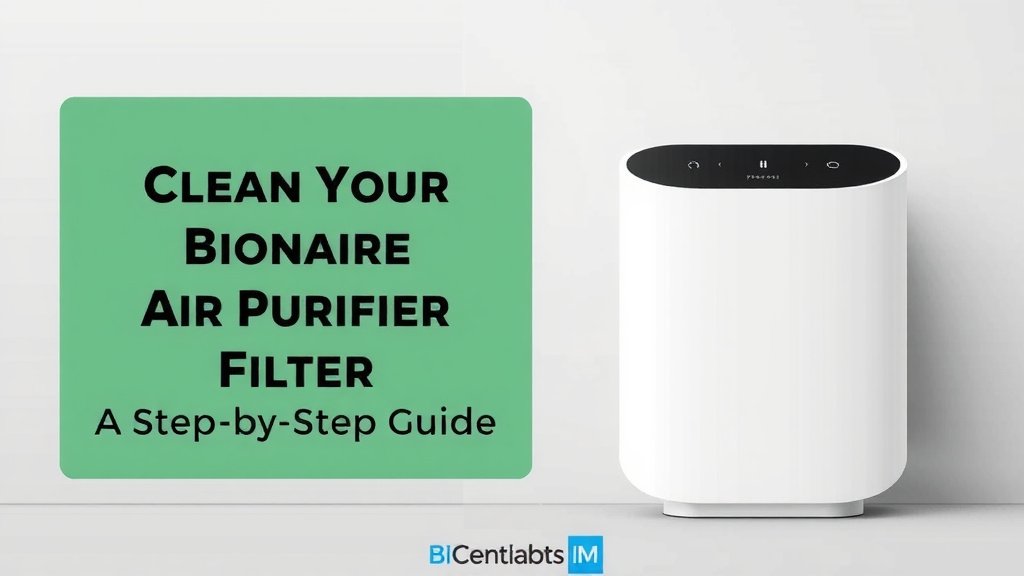
Clean Your Bionaire Air Purifier Filter: A Step-by-Step Guide
The easiest way to clean your Bionaire air purifier filter is by vacuuming it gently with a brush attachment. For a deeper clean, you can rinse the filter under cool water. This simple process helps your purifier breathe easier and keeps your air fresh and clean.
Regular filter maintenance is key for peak air purifier performance. Neglected filters can reduce airflow and trap allergens. Cleaning them regularly ensures your Bionaire continues to effectively remove dust, pollen, and other airborne particles from your home. It’s an easy step towards healthier indoor air.
- Vacuum the filter with a brush attachment.
- Rinse under cool water if needed.
- Allow filters to dry completely.
- Check your manual for specific filter types.
- Clean filters monthly for best results.
Let’s walk through exactly how to get your Bionaire air purifier filter sparkling clean, step by step.
Keeping Your Bionaire Air Purifier Filter Clean
Regularly cleaning your Bionaire air purifier filter is like giving your purifier a much-needed breath of fresh air. It’s not a difficult task. You’ll find that keeping your filter clean helps your unit run more efficiently. This means your home will enjoy cleaner, fresher air for longer.
Why Filter Cleaning Matters for Your Bionaire
Your air purifier works hard to capture tiny particles. These can include dust, pollen, pet dander, and even smoke. Over time, these particles build up on the filter. This buildup can block airflow. It’s like trying to breathe through a clogged nose! Reduced airflow means your purifier can’t work as effectively. It might even start to sound strained.
We found that keeping the filter clean can extend the life of your air purifier. It also helps prevent mold and mildew growth. These can actually degrade air quality, which is the opposite of what you want! Think of it as routine maintenance, similar to changing the oil in your car. It keeps the engine running smoothly.
Understanding Your Bionaire Filter Type
Before you start cleaning, it’s important to know what kind of filter your Bionaire air purifier uses. Most Bionaire models have a combination filter. This often includes a pre-filter, a HEPA filter, and an activated carbon filter. The pre-filter usually captures larger particles. The HEPA filter traps the smaller ones. The carbon filter helps with odors. Each type might have slightly different cleaning needs.
We always recommend checking your Bionaire air purifier’s **user manual**. It will have specific instructions for your model. It can also tell you if your filter is washable or if it needs to be replaced. Some filters are not designed to be cleaned and will require replacement. Washing a non-washable filter can damage it.
Step-by-Step Guide to Cleaning Your Bionaire Filter
Ready to get your filter sparkling? It’s a straightforward process. You’ll only need a few common household items. Let’s get started!
Step 1: Safety First – Power Down!
The very first thing you need to do is **unplug your air purifier**. It’s a simple step, but crucial for your safety. You don’t want any unexpected power surges while you’re working on it. Make sure it’s completely disconnected from the wall outlet.
Step 2: Accessing the Filter
Now, you need to get to the filter. Most Bionaire air purifiers have a cover or grille that can be opened. This is usually on the back or side of the unit. Refer to your manual if you’re unsure how to open it. Gently remove the cover. Then, carefully slide out the filter. Be gentle; you don’t want to dislodge any trapped dust at this stage.
Step 3: The Gentle Vacuum Approach
For routine cleaning, a good vacuum session is often all you need. Grab your vacuum cleaner. Attach a **soft brush accessory**. This is important to avoid damaging the filter material. Gently vacuum the surface of the filter. Go slowly and cover the entire surface. Pay attention to both sides if your filter has two accessible sides.
Many experts suggest this method for pre-filters and even for HEPA filters in some cases. It effectively removes loose dust and debris. It’s like dusting your furniture; you want to be thorough but not abrasive. This step can be done monthly.
Step 4: Rinsing for a Deeper Clean (If Applicable)
Is your filter looking a bit grimy, even after vacuuming? If your filter is washable (check that manual!), you can try rinsing it. Use cool, clean water. **Do not use hot water**, as it can warp or damage the filter. You can rinse it under a faucet or in a sink. Again, be gentle. Avoid scrubbing aggressively.
For stubborn dirt, some users have found success with a very mild detergent. However, we found that it’s best to stick to plain water if possible. Any detergent residue left behind can be released into the air. That would defeat the purpose of cleaning! If you do use soap, rinse extremely thoroughly.
Step 5: Drying is Key
This is perhaps the most critical step after washing. Your filter **must be completely dry** before you put it back into the air purifier. Even a little bit of moisture can lead to mold and mildew growth. It can also damage your air purifier’s motor.
We recommend air-drying the filter. Place it in a well-ventilated area. You can stand it upright or lay it flat. Avoid direct sunlight, as it can degrade some filter materials. It can take several hours for a filter to dry completely. Patience is your friend here! Never use a hairdryer or other heat source to speed up drying. This can damage the filter.
Step 6: Reassembly and Restart
Once you are absolutely sure the filter is dry, you can put it back into the air purifier. Slide it back into place. Reattach the cover or grille. Make sure it’s secured properly. Now, you can plug your air purifier back in and turn it on.
Filter Maintenance Schedule Checklist
To help you stay on top of things, here’s a quick checklist:
- Check your manual for specific filter cleaning instructions.
- Vacuum filters monthly with a soft brush attachment.
- Rinse filters with cool water if heavily soiled (if washable).
- Air dry filters completely – never use heat.
- Replace filters as recommended by the manufacturer (usually every 6-12 months).
- Keep a record of your cleaning dates to stay organized.
When to Consider Replacement
Even with regular cleaning, filters don’t last forever. Over time, the filter media can become permanently clogged or degraded. You’ll notice this if your air purifier starts to struggle or if air quality doesn’t improve as much. Most manufacturers recommend replacing HEPA filters every 6 to 12 months, depending on usage and air quality. Activated carbon filters may need replacing more often for odor control. Always refer to your Bionaire manual for the most accurate replacement schedule for your specific unit.
Conclusion
You’ve learned how to keep your Bionaire air purifier running at its best. Remember, regular cleaning of your filter is key to cleaner air and a healthier home environment. By following the simple steps of vacuuming, rinsing (if applicable), and thorough drying, you ensure your purifier can effectively capture allergens and odors. Don’t forget to consult your user manual for specific filter types and replacement schedules. Your next step is to grab your vacuum and brush attachment and give your Bionaire filter the attention it deserves for truly fresh indoor air.
Frequently Asked Questions
How often should I clean my Bionaire air purifier filter?
For optimal performance, we recommend cleaning your Bionaire air purifier filter about once a month. This frequency helps maintain good airflow and ensures the unit effectively captures airborne particles. You may need to clean it more often if you live in a dusty environment or have pets.
Can I use soap and water to wash my Bionaire filter?
If your filter is washable, using cool water is generally sufficient for cleaning. If you encounter stubborn grime, a very mild detergent can be used sparingly. However, it’s critical to rinse the filter extremely well afterwards to remove all soap residue. Too much detergent or improper rinsing can harm your purifier.
How long does it take for a Bionaire filter to dry?
Allowing your filter to air dry completely is essential. This can take several hours, sometimes even a full day, depending on humidity levels. It’s vital to ensure there’s no moisture left, as this can lead to mold growth. Never use heat, like a hairdryer, to speed up the drying process, as it can damage the filter material.
What should I do if my Bionaire filter isn’t washable?
If your user manual indicates that your Bionaire filter is not washable, you must avoid rinsing it with water. These filters are typically designed for vacuuming only or require outright replacement. Washing a non-washable filter can permanently damage its structure and compromise its filtering capabilities. Stick to gentle vacuuming or replace it as recommended.
How do I know when it’s time to replace my Bionaire air purifier filter?
Even with regular cleaning, filters have a lifespan. You should consider replacing your Bionaire filter if you notice a significant decrease in air purifier performance, persistent odors, or if the filter appears visibly damaged or permanently clogged. Your Bionaire manual will provide specific replacement timelines, often between 6 to 12 months for HEPA filters.
![5 Best Hepa Air Purifier for Classroom [In 2026]](https://homeunderstandable.com/wp-content/uploads/2025/05/best-hepa-air-purifier-for-classroom.jpg)