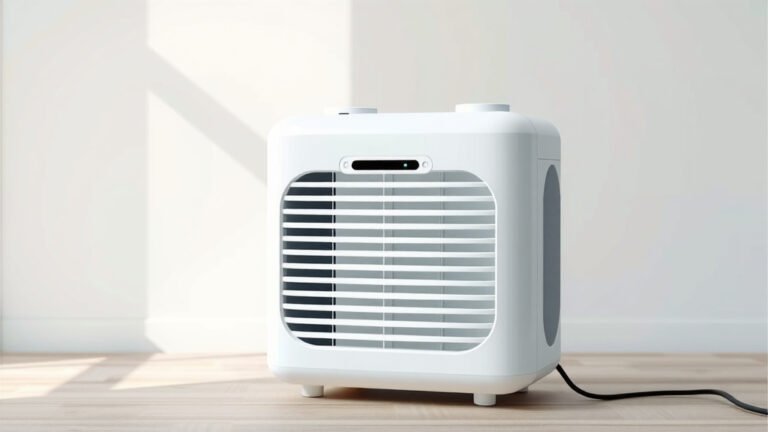
How to Clean Your Labcare Air Purifier Effectively
The easiest way to clean your LabCharge air purifier involves regular maintenance and a simple process. You’ll want to start by unplugging the unit. Dust buildup can affect performance, so a quick wipe-down is often all that’s needed for basic care.
Keeping your air purifier clean is key to its effectiveness. A well-maintained purifier can significantly improve your home’s air quality. Many experts say that regular cleaning prevents dust from recirculating and keeps the fan running smoothly. It’s a surprisingly simple task!
- Unplug your LabCharge purifier first.
- Wipe down the exterior with a damp cloth.
- Clean the pre-filter according to manufacturer instructions.
- Check the HEPA filter for replacement needs.
- Reassemble and plug it back in.
Ready to get your LabCharge air purifier sparkling? Let’s walk through exactly how to do it step by step, so you can breathe easier in no time.
Keeping Your LabCharge Air Purifier in Top Shape
Regular cleaning is the secret sauce for a happy, healthy LabCharge air purifier. Think of it like giving your car an oil change. Skipping it means more dust bunnies, less fresh air, and a purifier that might work harder than it needs to. We found that a simple cleaning routine not only extends the life of your unit but also ensures it’s doing its best job filtering out allergens and pollutants.
Why a Clean Purifier Matters More Than You Think
Your air purifier works around the clock. It’s constantly pulling in air, trapping particles, and sending cleaner air back out. Over time, this trapping process means dust, pet dander, and other tiny invaders build up on its filters and components. When these parts get clogged, the airflow can decrease. This means your purifier might struggle to clean your air effectively. Many experts say that clogged filters can even recirculate dust particles back into your room (CDC).
Getting Started: What You’ll Need
Before you dive in, gather a few simple supplies. You won’t need a hazmat suit or a full professional detailing kit. A soft, dry cloth is perfect for wiping down the exterior. For any stubborn spots, a slightly damp cloth will do the trick. A vacuum cleaner with a brush attachment can also be super helpful, especially for the pre-filter. Make sure the unit is unplugged for safety—that’s the most important first step.
Step-by-Step Guide to Cleaning Your LabCharge Air Purifier
Let’s break down the cleaning process. It’s designed to be straightforward. You’ll be amazed at how quickly you can get your unit looking and performing like new.
Cleaning the Exterior and Interior Casing
Start with the outside. Grab your soft, dry cloth. Gently wipe down the entire exterior of your LabCharge air purifier. This removes surface dust and keeps it looking neat. If you notice any smudges or stickier spots, dampen the cloth *very lightly* with water. Wring it out well before wiping. Never spray water directly onto the unit, as this can damage the electronics. Ensure the exterior is completely dry before moving on.
Accessing the Filters: A Gentle Approach
Most LabCharge models have an easy-access panel or grille for their filters. Consult your specific model’s manual if you’re unsure. You usually just need to press a release tab or gently pull a section away. Once open, you’ll see the different filters inside. Handle them with care; they’re delicate!
Cleaning the Pre-Filter
The pre-filter is typically the first line of defense. It’s often a mesh-like layer designed to catch larger particles like pet hair and large dust bunnies. We found that this filter often needs the most frequent attention. If your pre-filter is washable (check your manual!), you can rinse it under cool running water. Let it air dry completely before putting it back. If it’s not washable, a gentle vacuuming with a brush attachment is usually recommended. This step is vital for protecting the HEPA filter.
Checking and Replacing the HEPA Filter
The HEPA filter is the star player for capturing fine particles. Unlike the pre-filter, HEPA filters are generally *not* washable. You can’t clean them effectively enough to restore their filtering power. Instead, you’ll need to check your user manual for the recommended replacement schedule. Many manufacturers suggest replacing the HEPA filter every 6-12 months, depending on usage and air quality. Look for visible discoloration or a drop in performance. When it’s time, carefully remove the old filter and insert a new one, making sure it’s oriented correctly.
What About the Carbon Filter?
Some LabCharge models also feature an activated carbon filter. This filter is excellent at absorbing odors and gases, like those from cooking or smoke. Like the HEPA filter, activated carbon filters also have a lifespan and cannot be cleaned. They need to be replaced according to the manufacturer’s guidelines, often at the same time as the HEPA filter. Replacing both ensures optimal performance.
Cleaning the Fan and Air Vents
Once the filters are out, you might notice dust buildup on the fan blades or inside the air vents. You can carefully use a vacuum cleaner with a soft brush attachment to gently remove this dust. For hard-to-reach spots, a clean, dry cloth wrapped around a stick or a long, narrow brush can work wonders. Avoid using any liquids here, as moisture can damage the fan motor. Ensuring these parts are clean helps maintain good airflow.
Putting It All Back Together and Next Steps
Reassembly is simple. Just reverse the steps you took to take it apart. Make sure all filters are seated correctly and the exterior grille or panel snaps securely back into place. Then, you can plug your LabCharge air purifier back in and turn it on. You should notice a difference in how quietly and efficiently it runs!
A Quick Checklist for Maintenance
To make it even easier, keep this handy checklist near your purifier:
- Unplug the unit before starting.
- Wipe down the exterior with a dry cloth.
- Vacuum or wash the pre-filter (if washable).
- Check HEPA and carbon filters for replacement needs.
- Gently clean fan and vents if needed.
- Reassemble and plug back in.
When to Seek Professional Help
For most users, regular cleaning is all that’s required. However, if you notice any unusual noises, persistent odors after cleaning, or if the unit simply isn’t performing well despite a thorough cleaning and filter replacement, it might be time to contact LabCharge customer support. They can advise if there’s a more complex issue or if a repair is needed. We found that most minor issues are easily resolved with a good cleaning.
Conclusion
You’ve now got the know-how to keep your LabCharge air purifier working its best. Remember, consistent, simple cleaning is key to maximizing its effectiveness and ensuring you’re breathing the freshest air possible. By regularly wiping down the exterior, cleaning or replacing filters, and giving the vents a quick dust, you’re extending the life of your unit. Make this cleaning routine a part of your regular home maintenance, and your purifier will thank you by keeping your air pure and clean. Your next step is to schedule your first cleaning session this week!
Frequently Asked Questions
How often should I clean my LabCharge air purifier?
We recommend a light exterior wipe-down weekly. Deeper cleaning, including checking and cleaning/replacing filters, should be done every 1-3 months, depending on your home’s air quality and usage. Always consult your user manual for specific recommendations for your model.
Can I wash the HEPA filter in my LabCharge purifier?
No, HEPA filters are generally not designed to be washed. Washing can damage the delicate filter media and reduce its ability to capture fine particles. You should replace your HEPA filter according to the manufacturer’s suggested schedule, typically every 6-12 months.
What should I do if my LabCharge air purifier smells musty after cleaning?
A musty smell often indicates that a filter, particularly the carbon filter if your model has one, is past its lifespan and needs replacement. Ensure all parts are completely dry before reassembly. If the smell persists after replacing filters, contact LabCharge support.
Is it okay to use cleaning sprays on my air purifier?
It’s best to avoid harsh cleaning sprays. For the exterior, a slightly damp cloth is usually sufficient. Never spray liquids directly onto the unit or near the motor or fan. Moisture can cause damage to the electronic components and motor. Stick to dry cloths or *very* lightly dampened cloths for the casing.
Where can I buy replacement filters for my LabCharge air purifier?
You can typically purchase replacement filters directly from the LabCharge website or authorized retailers. Checking your user manual will provide specific model numbers and recommended sources for genuine replacement filters. Using non-genuine filters might affect performance.