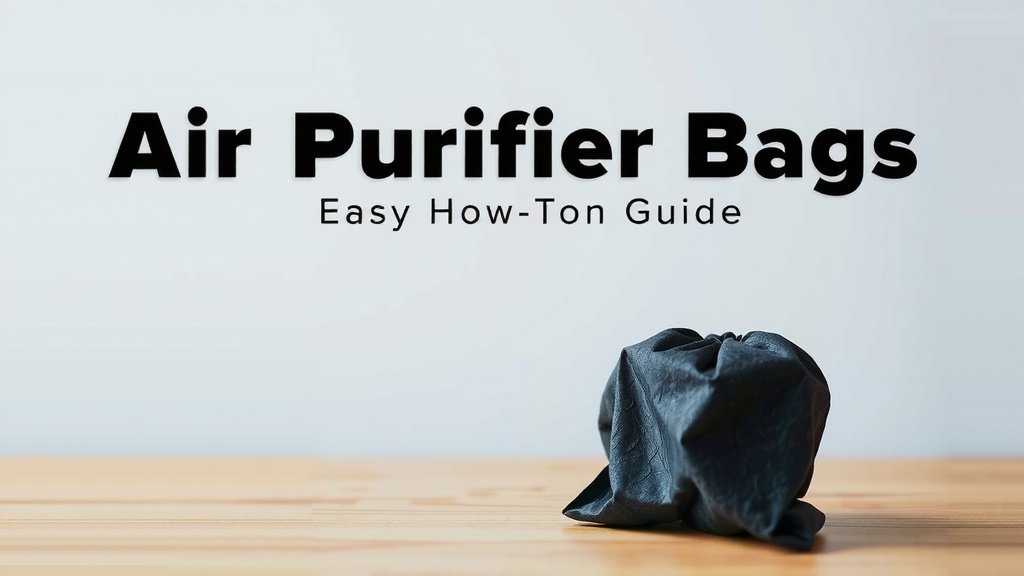
DIY Charcoal Air Purifier Bags: Easy How-To Guide
Making your own charcoal air purifier bags is a simple and effective way to tackle odors and improve air quality. You can easily create these natural purifiers using readily available materials like activated charcoal and breathable fabric. They work by absorbing unwanted smells and moisture from your surroundings without adding artificial fragrances.
These DIY purifiers are a fantastic, eco-friendly alternative to chemical sprays and electric fresheners. Many people find them perfect for enclosed spaces such as closets, gym bags, and even cars. You’ll be surprised at how well activated charcoal can refresh your environment.
- You can make effective air purifier bags at home.
- Activated charcoal is the key ingredient for absorbing odors.
- These bags are great for small, enclosed spaces.
- It’s an eco-friendly and natural solution.
Let’s walk through exactly how to make these handy charcoal air purifier bags step by step.
Crafting Your Own Activated Charcoal Air Purifiers
Making your own air purifier bags with activated charcoal is surprisingly simple. You don’t need any special skills or expensive equipment. This DIY project is a fantastic way to naturally freshen up your home. You can easily remove odors from the air using just a few basic supplies.
Understanding How Activated Charcoal Works
Activated charcoal is the magic behind these purifiers. It’s not the same charcoal you use for grilling. Activated charcoal has been treated to make it extremely porous. This means it has a vast internal surface area. Think of it like a super-sponge for smells and toxins.
The Science of Adsorption
The process is called adsorption, not absorption. Instead of soaking things up, activated charcoal attracts and traps molecules on its surface. These molecules can include odor-causing compounds, moisture, and even some volatile organic compounds (VOCs). Many studies show its effectiveness in trapping various airborne particles (National Institute of Standards and Technology).
Why Choose Activated Charcoal?
Unlike air fresheners that just mask odors with scents, activated charcoal actually removes them. It’s also a much safer option than chemical sprays. These sprays can sometimes release their own harmful compounds into the air. Activated charcoal is a natural, non-toxic solution for improving your indoor air quality. It’s also much gentler on sensitive individuals compared to commercial air purifiers.
Gathering Your Essential Supplies
Before you start, let’s make sure you have everything you need. Having your materials ready makes the process smooth and enjoyable. You’ll be amazed at how quickly you can put these together.
The Core Components
You’ll need two main things: activated charcoal and a breathable bag. For the charcoal, look for activated charcoal specifically designed for purification or odor absorption. It usually comes in granular or powder form. Avoid charcoal briquettes meant for cooking, as they often contain additives.
The bag needs to be made of a material that allows air to pass through easily. This lets the charcoal do its job effectively. Good choices include linen, cotton canvas, or even old pillowcases or fabric scraps. The fabric should be sturdy enough to hold the charcoal.
Tools You Might Need
You might need a few simple tools to help with the process. These include scissors for cutting fabric, a needle and thread (or a sewing machine) if you’re making your own bags from scratch, and a funnel or spoon for filling the bags. If you’re repurposing fabric, make sure it’s clean before you start.
Step-by-Step Guide to Making Your Bags
Now, let’s get down to making your very own air purifier bags. It’s a straightforward process that doesn’t take much time at all.
Option 1: Using Pre-Made Pouches
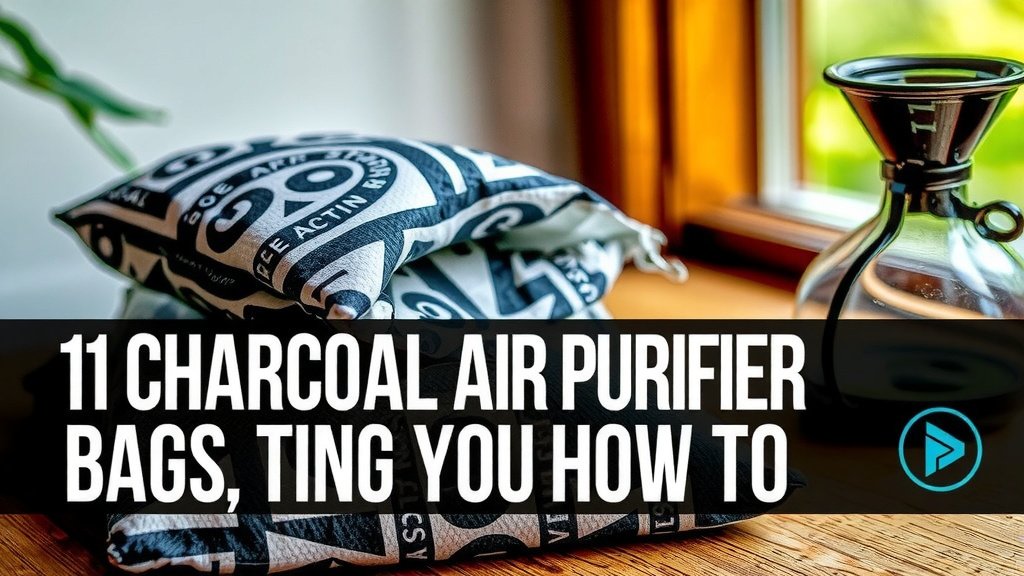
This is the easiest method. You can purchase small, breathable fabric pouches online or at craft stores. They are often sold as “charcoal bag pouches” or “sachet bags.” All you have to do is:
- Open the pouch.
- Carefully fill it with activated charcoal granules. Don’t overfill it; leave some room for the charcoal to move around.
- Securely close the pouch, typically with a drawstring.
Option 2: Creating Your Own Fabric Bags
If you prefer a more custom approach or want to upcycle fabric, this is for you. It gives you control over the size and shape of your purifiers.
Cutting and Sewing the Fabric
First, decide on the size of your bags. Small pouches, around 4×6 inches, are great for most applications. Cut two pieces of your chosen breathable fabric to this size. If you want to add a drawstring closure, you’ll need to cut an extra strip for the opening.
Place the two fabric pieces right sides together. Sew around three sides of the rectangle, leaving one of the shorter sides open. Use a sturdy stitch. If you’re adding a drawstring, fold over the top edge of the open side twice to create a channel for the string, then sew it down, leaving small openings at the sides.
Filling and Finishing Your Bag
Once your bag is sewn, turn it right side out. Use a funnel or a spoon to carefully pour the activated charcoal into the bag. Fill it about two-thirds full. The charcoal needs space to breathe and move.
If you created a channel for a drawstring, thread a piece of cord or ribbon through the channel and pull it to close the bag securely. If you simply sewed the bag shut, ensure the seam is strong to prevent any charcoal from escaping. You can even sew the top opening shut for a very simple, no-frills bag.
Where to Place Your New Air Purifiers
Now that you’ve made your charcoal air purifier bags, where should you put them? Think about the spaces that tend to get musty or hold onto odors. These bags work best in enclosed areas where air circulation is limited.
Ideal Locations for Maximum Effectiveness
Some of the most effective places include:
- Closets and Wardrobes: To keep clothes smelling fresh.
- Gym Bags and Sport Equipment: To combat sweaty odors.
- Cars and RVs: To absorb lingering smells.
- Bathrooms: To help control humidity and odors.
- Pet Areas: Near litter boxes or pet beds.
- Refrigerators: To prevent food odors from mixing.
- Drawers and Storage Bins: To keep items smelling clean.
Maintaining and Recharging Your Charcoal Bags
These charcoal bags aren’t a one-time use item. With a little maintenance, they can last a long time. Proper care ensures they continue to work effectively for you.
The Recharging Process
The activated charcoal can become saturated over time. When this happens, it loses its ability to adsorb odors. The good news is that you can easily recharge them. Simply place the bags in direct sunlight for a few hours, ideally on a warm, sunny day.
Sunlight helps to evaporate the moisture and release the trapped odor molecules from the charcoal’s pores. Many experts recommend doing this once a month. You can usually tell they need recharging when you notice odors returning to the space. After a good sunbath, they should be ready to go again.
When to Replace Your Bags
Even with recharging, activated charcoal doesn’t last forever. Typically, you can expect your charcoal bags to remain effective for one to two years with regular recharging. After this period, the charcoal’s adsorptive capacity will be significantly diminished. At that point, you can either replace the charcoal inside or create entirely new bags.
You can tell they need replacing if even after recharging, they no longer seem to make a difference in odor control. It’s a simple and eco-friendly replacement process.
Tips for Optimal Performance and Longevity
To get the most out of your DIY air purifiers, a few extra tips can help. These little tricks ensure your bags work efficiently and last as long as possible.
- Use Enough Bags: For larger spaces or strong odors, you’ll need multiple bags. Don’t expect one small bag to handle a whole room.
- Ensure Airflow: Place bags where air can circulate around them. Don’t bury them deep in a pile of clothes.
- Regular Sunning: Stick to a monthly recharging schedule for best results.
- Keep Them Dry: While they absorb moisture, don’t place them in overly damp environments without frequent recharging.
- Consider Bag Size: Larger bags with more charcoal are better for bigger areas or more challenging odor problems.
Following these guidelines helps make your homemade charcoal air purifiers a fantastic, sustainable solution for a fresher living space.
Conclusion
You’ve learned how easy it is to create your own charcoal air purifier bags! By using activated charcoal and simple fabric, you can naturally combat odors and moisture in your home. These DIY purifiers are a sustainable and cost-effective alternative to commercial products. Remember to recharge them in sunlight regularly to keep them working their best. Ready to breathe easier? Start by gathering your supplies and making your first batch of these fantastic, eco-friendly air fresheners today!
Frequently Asked Questions
How much activated charcoal should I put in each bag?
Fill your bags about two-thirds full. This gives the charcoal enough space to move around and allows for better air circulation, which is key for effective odor absorption. Avoid packing them too tightly.
Can I use activated charcoal meant for aquariums?
Yes, activated charcoal designed for aquarium filters is usually suitable. It’s formulated to be highly porous for purification purposes. Just make sure it’s pure activated charcoal without any added chemicals or binders.
How often do I need to recharge my charcoal bags?
Aim to recharge your bags about once a month by placing them in direct sunlight for a few hours. You’ll know they need recharging if you notice odors returning or the bags seem less effective.
What if I don’t have a needle and thread?
If you don’t want to sew, you can use fabric glue to seal the edges of your bags. Alternatively, you can purchase pre-made, breathable pouches and simply fill them with charcoal, closing them with their built-in drawstrings.
How long will my homemade charcoal air purifier bags last?
With regular recharging, your bags can effectively absorb odors for about one to two years. After that, the charcoal’s capacity will diminish, and you’ll likely need to replace the charcoal or make new bags.

![5 Best Air Purifier for City Apartment [In 2026]](https://homeunderstandable.com/wp-content/uploads/2025/06/best-air-purifier-for-city-apartment-top-picks-for-clean-air-768x384.jpg)