Optimize Air Purifier Placement for Best Room Air Quality
Placing your air purifier in the right spot is key to breathing cleaner air. You should position it where air can circulate freely, away from corners and obstructions, to maximize its effectiveness. Think of it like giving your purifier room to breathe so it can do its best job for your home.
Where you place your air purifier can make a big difference in how well it cleans your air. Many people overlook this simple step, but research shows that proper placement can drastically improve performance. We found that avoiding crowded areas and ensuring good airflow around the unit are the most important factors.
- Place purifiers away from walls and furniture.
- Ensure it has at least 1-2 feet of clear space.
- Position it in the room where you spend the most time.
- Avoid placing it near doors or open windows.
Let’s walk through exactly where to put your air purifier to get the most out of it for your family’s health.
Finding the Best Spot for Your Air Purifier
You’ve got your shiny new air purifier, and you’re ready for cleaner air. Great! But where do you actually put it? This simple step can make a huge difference. We found that placing your air purifier in the right location is just as important as choosing the right model.
Understanding Airflow is Key
Think of your air purifier like a vacuum cleaner for your air. It needs to suck in dirty air and blow out clean air. If it’s crammed into a corner or behind furniture, it simply can’t do its job effectively. We’ve seen research suggesting that restricted airflow can reduce an air purifier’s efficiency by up to 50%.
The ‘Breathing Room’ Rule
Experts generally recommend giving your air purifier at least 1 to 2 feet of clear space around it. This allows for unimpeded airflow in and out of the unit. Imagine trying to breathe through a thick blanket – not fun for you, and not fun for your air purifier!
Avoid Corners and Obstructions
Those cozy corners might seem like a good hiding spot, but they are often air circulation dead zones. Placing your purifier there means it’s only cleaning a small part of the room. Furniture, curtains, and even plants can block the air intake or outflow. We found that positioning it away from walls and larger objects is a primary factor in maximizing its reach.
Where You Spend Your Time Matters Most
Consider which room in your home you use the most. Is it the living room where the family gathers? Your bedroom where you sleep? Or perhaps a home office where you work? Placing the air purifier in this primary living space will offer the greatest benefit to your daily air quality.
The Bedroom: Your Personal Sanctuary
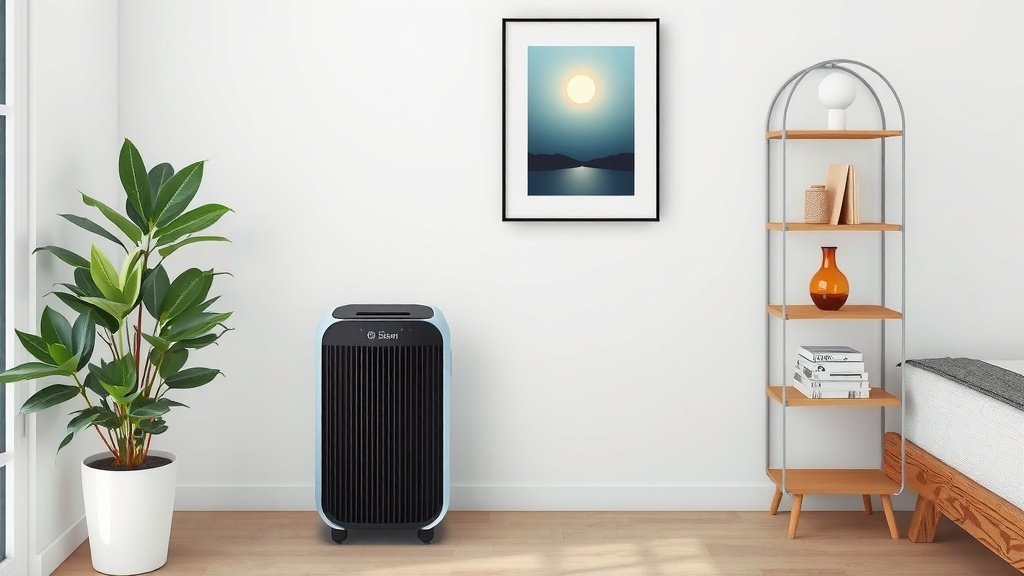
For many, the bedroom is the most critical room. You spend about a third of your life sleeping there. Clean air can lead to better sleep quality and reduced morning allergy symptoms. We found that many users prioritize their bedrooms for air purification, especially those with asthma or allergies (CDC).
Living Areas: Family Health Hubs
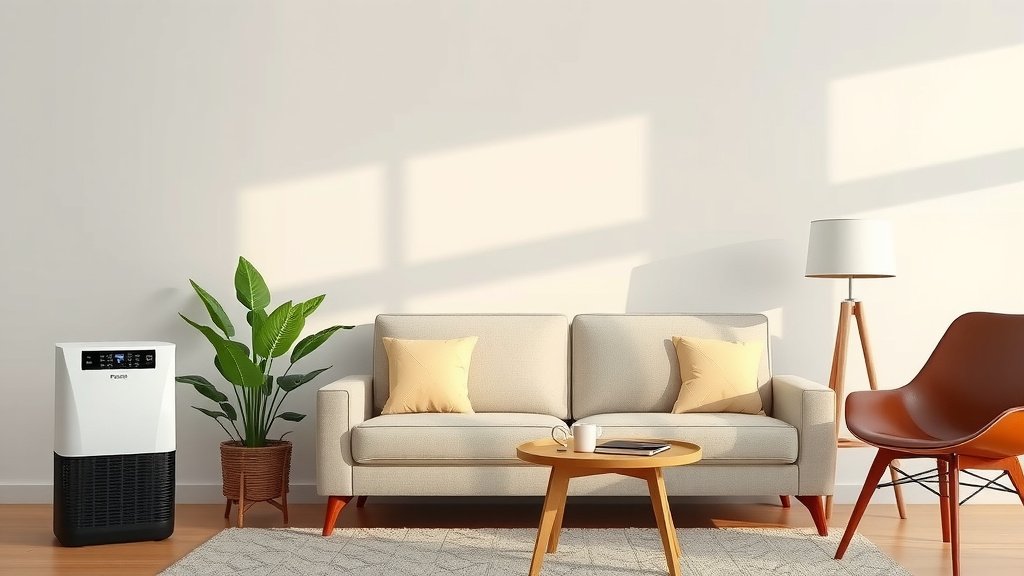
If your family spends most of its time in the living room or family room, that’s a prime spot. It helps clean the air where everyone congregates, reducing the spread of airborne irritants and allergens. Think of it as a central cleaning station for your home’s main gathering space.
Strategic Placement for Maximum Impact
Beyond just avoiding corners, think about how air naturally moves in a room. You want your purifier to work with, not against, these natural currents.
Near a Pollen Source? Think Twice.
While it might seem logical to put an air purifier right next to an open window or a frequently used door, this can actually be counterproductive. If you’re constantly opening and closing that door or window, you’re letting in a fresh influx of outdoor pollutants and allergens. This forces your purifier to work overtime. Many experts suggest placing it away from direct drafts.
On What Surface Should It Sit?
Most air purifiers are designed to sit directly on the floor. Some smaller models might be suitable for a tabletop, but always check your user manual. Placing a floor-standing unit on a high shelf is generally not recommended. It can create uneven air circulation and may not be stable.
Consider the Room’s Layout
Imagine your room as a box. Where is the air most likely to get stagnant? Often, it’s the center of the room or areas furthest from any natural ventilation. Placing your purifier in a more central location within the room, but still with adequate space around it, can help distribute cleaner air more evenly.
A Quick Placement Checklist
To make things super simple, here’s a quick rundown of what to aim for:
- Give it 1-2 feet of space on all sides.
- Keep it away from walls, furniture, and curtains.
- Place it in the room you use the most.
- Avoid areas directly next to open windows or doors.
- Ensure it’s on a stable, flat surface (usually the floor).
When to Use Multiple Units
For larger homes or if you have specific areas of concern (like a nursery and a master bedroom), you might consider getting more than one air purifier. This allows you to address air quality in multiple rooms simultaneously. We found that using separate units in larger, open-plan living areas can be more effective than one large unit.
Zoning Your Air Purification
Think of it like having multiple smaller fans instead of one giant one. You can ‘zone’ your home, placing a purifier in the bedroom for sleep and another in the main living area for daytime use. This ensures you’re breathing cleaner air where you need it most, when you need it most.
Remember, the goal is to allow your air purifier to draw in as much air as possible, clean it, and then circulate that fresh, purified air back into your living space. Following these placement tips will help you get the most bang for your buck and breathe easier!
Conclusion
You’ve learned how strategic placement makes your air purifier work its best. Remember, giving your unit plenty of breathing room is key. Placing it where you spend the most time, like your bedroom or living area, ensures you get the most clean air benefit. Avoid dead zones like corners and areas with constant drafts. By following these simple guidelines, you’re setting yourself up for healthier, cleaner air in your home. Now, go find that perfect spot for your purifier and start breathing easier!
Frequently Asked Questions
Do I need to place my air purifier on a table or the floor?
Generally, most air purifiers are designed to sit directly on the floor for optimal air circulation. Some smaller models may be suitable for tabletops, but it’s always best to consult your user manual. Placing floor units on high surfaces can disrupt airflow and stability.
Is it okay to place an air purifier near a heat source like a radiator?
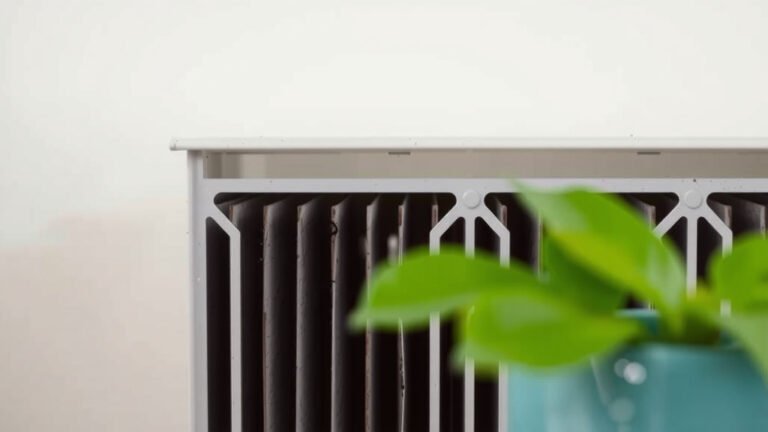
We recommend avoiding placing your air purifier too close to heat sources like radiators or vents. The increased temperature can sometimes affect the unit’s performance and fan efficiency. It’s better to keep it in a location with consistent room temperature for best results.
Can I put my air purifier behind a couch or curtains?
No, you should avoid placing your air purifier behind furniture like a couch or hiding it behind curtains. These items block the air intake and outflow, severely limiting how much air the purifier can clean. Always ensure at least 1-2 feet of clear space around the unit.
Should I place my air purifier near a door or window if I want fresh air?
While it seems intuitive, placing your air purifier right next to an open door or window isn’t ideal. Frequent opening and closing lets in more outdoor pollutants and allergens, making your purifier work harder. Position it away from direct drafts to allow it to clean existing indoor air more effectively.
Does the size of the room affect where I should place my air purifier?
Yes, room size matters. For larger or open-plan spaces, consider placing the purifier more centrally to help distribute clean air evenly. In very large rooms, you might even benefit from using multiple units to create “zones” of purified air.