Purify Bedroom Air: Simple Steps for Better Sleep
The easiest way to purify the air in your bedroom is by using a HEPA air purifier and opening your windows regularly. These steps help remove dust, allergens, and other particles. You can also reduce indoor pollutants by keeping your bedroom clean and avoiding strong scents. Getting fresh air into your bedroom is key to better sleep and health.
Your bedroom air can get stuffy with pollutants. Dust mites, pet dander, and even chemicals from furniture can build up. Using an air purifier can make a big difference in air quality. A good air purifier can trap tiny particles. This means less sneezing and better breathing while you sleep.
- Use a HEPA air purifier.
- Open windows daily for fresh air.
- Keep your bedroom clean and clutter-free.
- Avoid scented candles and sprays.
- Consider houseplants that filter air.
Ready to breathe easier in your personal sanctuary? Let’s walk through the best ways to purify your bedroom air step by step.
Breathing Easier: Tips for Freshening Up Your Bedroom Air
You spend a big chunk of your life in your bedroom. It’s your personal haven for rest and recharging. But is the air you’re breathing in there as clean as it could be? Often, our bedrooms can become a hotspot for airborne particles. Dust, allergens, and even microscopic critters can make your sleep less restful. Let’s look at practical ways to make your bedroom air feel refreshingly clean.
The Power of Air Purifiers
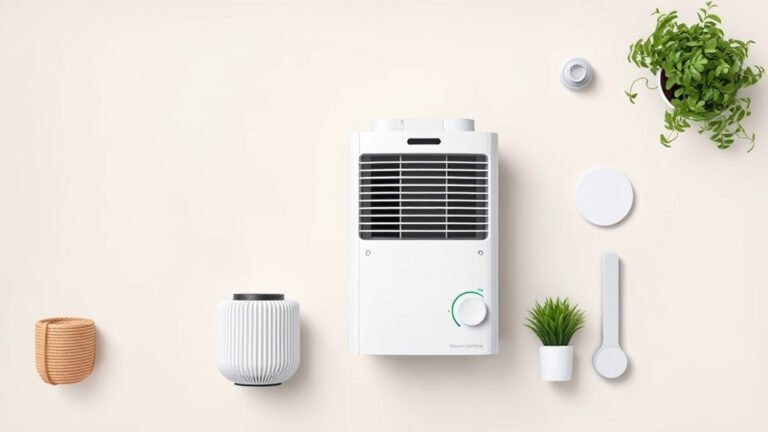
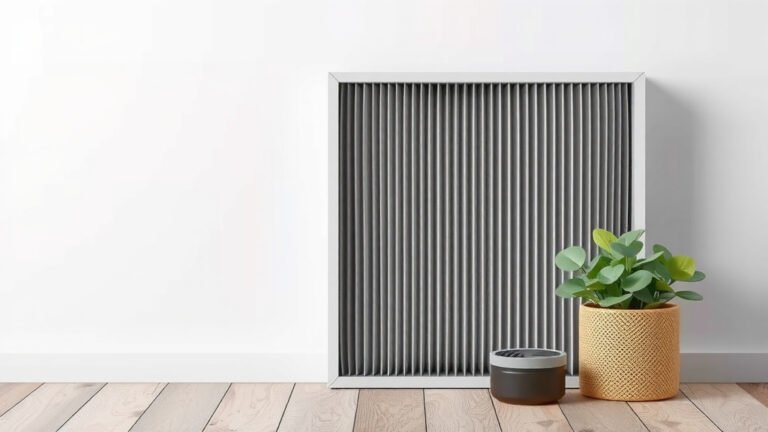
An air purifier is like a silent guardian for your bedroom air. We’ve all heard about them, but how do they really work for your sleep space? The main job of an air purifier is to filter out pollutants. This helps create a healthier environment, especially for those with allergies or breathing sensitivities.
Understanding HEPA Filters
When choosing an air purifier, you’ll often see the term “HEPA” mentioned. What does that mean for you? HEPA stands for High-Efficiency Particulate Air. A true HEPA filter can trap at least 99.97% of airborne particles. These particles are as small as 0.3 microns. That includes things like dust mites, pollen, pet dander, and even some mold spores.
Many guidelines point to HEPA filters as a gold standard for air purification (American Lung Association). They are incredibly effective at removing common allergens that can disrupt your sleep. Think of it as a super-fine net catching all the tiny unwanted guests in your air.
Choosing the Right Size and Type
Not all air purifiers are created equal. You need one that’s the right fit for your bedroom. Consider the size of your room. Most purifiers will list a recommended room size or CADR (Clean Air Delivery Rate). A higher CADR means it cleans the air faster.
We found that using a purifier rated for a slightly larger room than you have is often a good strategy. This allows it to run on a lower, quieter setting. This is key for a bedroom where noise can be a distraction. Also, look for purifiers with different fan speeds. A low setting is perfect for overnight use.
The Simple Magic of Ventilation
Sometimes, the best solution is the simplest. Opening your windows is a fantastic way to refresh your bedroom air. Fresh air exchanges the stale, stuffy air with oxygen-rich air from outside. It’s a natural way to reduce the concentration of indoor pollutants.
Making Window Opening a Habit
How often should you open your windows? Aim for at least 10-15 minutes each day. Doing this when outdoor air quality is good is best. Early morning or late evening can be ideal times. This helps flush out accumulated indoor smells and particles.
We found that even a short burst of fresh air can make a noticeable difference. It’s like giving your bedroom a good, deep breath. If you live in an area with high outdoor pollution, consider using your air purifier more during those times. You can also check local air quality reports before opening up.
Beyond Purifiers: Everyday Cleaning Habits
While air purifiers are powerful, they work best when paired with good cleaning practices. Keeping your bedroom tidy helps reduce sources of airborne dust and allergens. Little habits can add up to a big impact on your air quality.
Decluttering for Cleaner Air
Clutter can trap dust. Think about surfaces that collect dust easily, like shelves overflowing with books or piles of clothes. Taking time to declutter your bedroom can really help. Less stuff means fewer places for dust to hide and accumulate.
We found that a clean, organized space often feels more calming, too. This is a double win for your bedroom! Try to establish a regular routine for dusting and vacuuming. This prevents dust bunnies from staging a comeback.
Managing Bedding and Fabrics
Your bedding is a prime spot for dust mites. These microscopic creatures thrive in warm, humid environments, and your bed is perfect! Washing your sheets, pillowcases, and duvet covers regularly in hot water can help. Aim for at least once a week.
Consider using dust-mite-proof covers for your mattress and pillows. These act as a barrier, preventing mites from settling in. We found that this step is particularly helpful for people with allergies. It significantly reduces your exposure while you sleep.
Mindful Choices About Scents
Many of us enjoy pleasant scents in our homes. However, scented candles, air fresheners, and even some cleaning products can release volatile organic compounds (VOCs) into the air. These can contribute to indoor air pollution and trigger sensitivities for some people.
If you love a nice scent, consider natural alternatives. Essential oil diffusers can offer a more natural way to add fragrance. However, even with essential oils, moderation is key. Some people are sensitive to certain oils. We recommend opting for unscented or lightly scented products whenever possible for the cleanest air.
Houseplants: Nature’s Little Air Filters
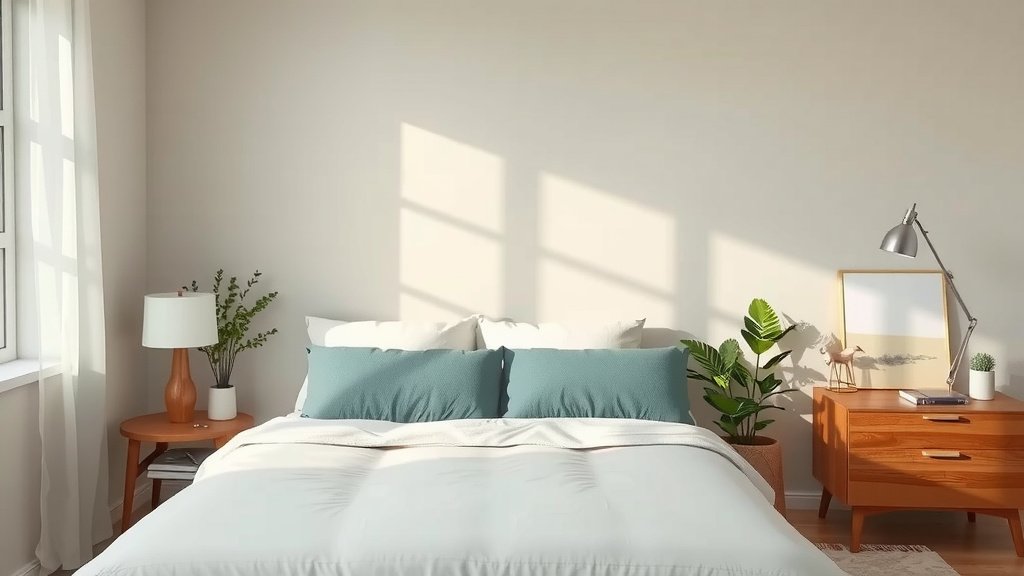
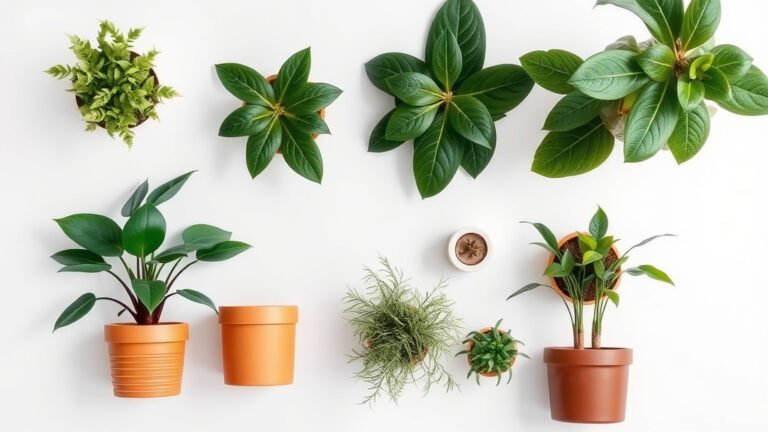
Did you know that some houseplants can help purify your air? While they might not replace an air purifier, they can contribute to a fresher environment. NASA conducted research that showed certain plants can remove toxins like formaldehyde and benzene from the air.
Some popular choices include spider plants, snake plants, and peace lilies. They can add a touch of green and a bit of natural air filtration to your room. Just remember to keep them healthy! Overwatering can lead to mold in the soil, which can negatively impact air quality.
Your Bedroom Air Quality Checklist
Ready to put these tips into action? Here’s a quick checklist to help you maintain a fresher bedroom environment:
- Run your HEPA air purifier daily, especially when you’re sleeping.
- Open your windows for at least 10-15 minutes each day.
- Dust surfaces and vacuum carpets or rugs weekly.
- Wash bedding in hot water once a week.
- Declutter regularly to reduce dust traps.
- Opt for unscented or naturally scented products.
Conclusion
You’ve learned that creating a fresher bedroom air environment is totally achievable. By combining a HEPA air purifier with regular ventilation, you tackle pollutants head-on. Simple habits like keeping your room clean and choosing products wisely also make a big difference. You can transform your bedroom into a true sanctuary for restful sleep and better well-being. Start by implementing one new habit this week to breathe cleaner air tonight.
Frequently Asked Questions
How often should I run my HEPA air purifier?
It’s best to run your HEPA air purifier daily, especially when you’re in the bedroom or sleeping. Continuous use ensures that it consistently removes airborne particles. We found that even running it on a lower, quieter setting overnight is very effective.
What’s the best time to open my bedroom windows?
Aim to open your windows for about 10-15 minutes each day. Early morning or late evening are often ideal times for ventilation. This is especially true if you live in an area with high outdoor pollution or pollen counts.
Can houseplants really purify my bedroom air?
Yes, certain houseplants can help filter some common indoor pollutants. While they won’t replace an air purifier, they can contribute to a fresher feel. Popular choices include snake plants and peace lilies for a natural touch.
How do I deal with dust mites in my bedroom?
The best way to manage dust mites is by washing your bedding regularly in hot water. We also recommend using dust-mite-proof covers for your mattress and pillows. These steps significantly reduce dust mite populations in your sleep space.
Are scented candles bad for my bedroom air quality?
Scented candles and strong air fresheners can release volatile organic compounds (VOCs) into your air. These can sometimes trigger sensitivities or contribute to indoor pollution. Opting for unscented products or using essential oil diffusers in moderation is a cleaner choice.

![5 Best Air Purifier for Commercial Use [In 2026]](https://homeunderstandable.com/wp-content/uploads/2025/06/best-air-purifier-for-commercial-use-top-picks-for-large-spaces-768x512.jpg)