How to Clean Your Air Purifier’s Carbon Filter
You can often clean your air purifier’s carbon filter, but it depends on the type of filter. Many basic activated carbon filters are not designed for cleaning and should be replaced. However, some newer or specialized models might allow for light cleaning or refreshing. Always check your air purifier’s manual first to see if cleaning is an option for your specific filter model.
Keeping your air purifier working its best means understanding its components. The carbon filter is key for removing odors and gases. If yours seems less effective, cleaning might seem like a good idea. Many experts agree that while some refreshing might help temporarily, most carbon filters have a limited lifespan and need regular replacement for optimal performance.
- Check your air purifier manual first.
- Many standard carbon filters cannot be cleaned.
- Some specialized filters may allow for light cleaning.
- Replacement is often necessary for best results.
Below, we’ll guide you through what to look for and how to handle your air purifier’s carbon filter, whether it needs a refresh or a full replacement.
Caring for Your Air Purifier’s Carbon Filter: Can You Actually Clean It?
So, you’re wondering if you can clean your air purifier’s carbon filter. It’s a common question! Many people think of cleaning their HVAC filters or even their coffee maker. You want to keep your air clean and fresh, and cleaning a filter seems like a smart way to save money and reduce waste. We’ve looked into this, and the answer is… it really depends on the type of carbon filter you have.
Most standard activated carbon filters are designed to trap odors and gases. They work like a sponge, absorbing molecules from the air. Once that sponge is full, it can’t hold any more. This means cleaning isn’t always effective or even possible for many common types.
Understanding Activated Carbon Filters
Activated carbon is a powerful material used in many air purifiers. It’s created by heating carbon materials like charcoal at very high temperatures. This process makes the carbon incredibly porous, creating millions of tiny pores. These pores give activated carbon a huge surface area. This large surface area is what allows it to adsorb (not absorb, a common misconception!) various gases and odors from the air.
Think of it like a microscopic maze. When air passes through the carbon filter, odor molecules and volatile organic compounds (VOCs) get trapped in these tiny pores. This is fantastic for removing things like smoke, pet odors, cooking smells, and even certain chemicals. It’s a key player in making your home air feel fresher and cleaner.
The Lifespan of an Activated Carbon Filter
Like any filter, activated carbon has a limited lifespan. It can only trap so many odor and gas molecules before it becomes saturated. When a carbon filter is full, it can no longer effectively remove these airborne impurities. In some cases, a saturated carbon filter might even start to release trapped odors back into the air, which is the opposite of what you want!
We found that most manufacturers recommend replacing activated carbon filters every 3 to 6 months. This timeframe can vary based on your air quality and how often you run your air purifier. If you live in a heavily polluted area, near a busy road, or have pets, you might need to replace them more frequently. Always check your air purifier’s manual for specific recommendations.
Can You Really “Clean” an Activated Carbon Filter?
This is where things get a bit nuanced. For the vast majority of typical activated carbon filters found in consumer air purifiers, the answer is no, you cannot effectively clean them. They are designed for single use and saturation.
Why is this the case? The odor and gas molecules have chemically bonded to the surface of the carbon within the pores. Simply washing or vacuuming them doesn’t remove these trapped substances. It might remove some loose dust or debris on the surface, but it won’t regenerate the filter’s ability to adsorb new odors and gases.
What About “Refreshing” a Carbon Filter?
Some people talk about “refreshing” a carbon filter, often by placing it in direct sunlight or in a very dry, warm place. This method might help to release *some* of the loosely trapped moisture and perhaps a tiny fraction of the adsorbed odor molecules. However, research suggests this is usually a temporary fix at best.
It’s a bit like trying to un-soak a sponge. While you can squeeze some water out, the sponge is still fundamentally wet and can’t absorb as much new water as a dry one. Similarly, a “refreshed” carbon filter will likely have a significantly reduced capacity compared to a new one. It’s not a substitute for replacement when the filter is truly saturated.
Sunlight and Dry Air: The “Refreshing” Method
If you decide to try refreshing your filter, here’s what you’d typically do:
- Remove the carbon filter from your air purifier.
- Place it in a sunny, dry spot outdoors or near a sunny window.
- Leave it for several hours, ideally a full day.
- Ensure it’s completely dry before putting it back.
We found that this method is more about dealing with mild, recent odors than restoring a filter that’s been in use for months. For deep saturation, it’s unlikely to make a substantial difference. Many experts still recommend replacing the filter as the primary solution.
When Replacement is the Only Real Option
So, when do you know it’s time for a new filter? Here are some clear signs:
- Lingering Odors: If your air purifier is running, but you still notice unpleasant smells in your home, the carbon filter is likely saturated.
- Reduced Effectiveness: You might notice that the air doesn’t feel as fresh as it used to, even after running the purifier for a long time.
- Manufacturer’s Schedule: Following the recommended replacement schedule in your manual is the most reliable way to ensure optimal performance.
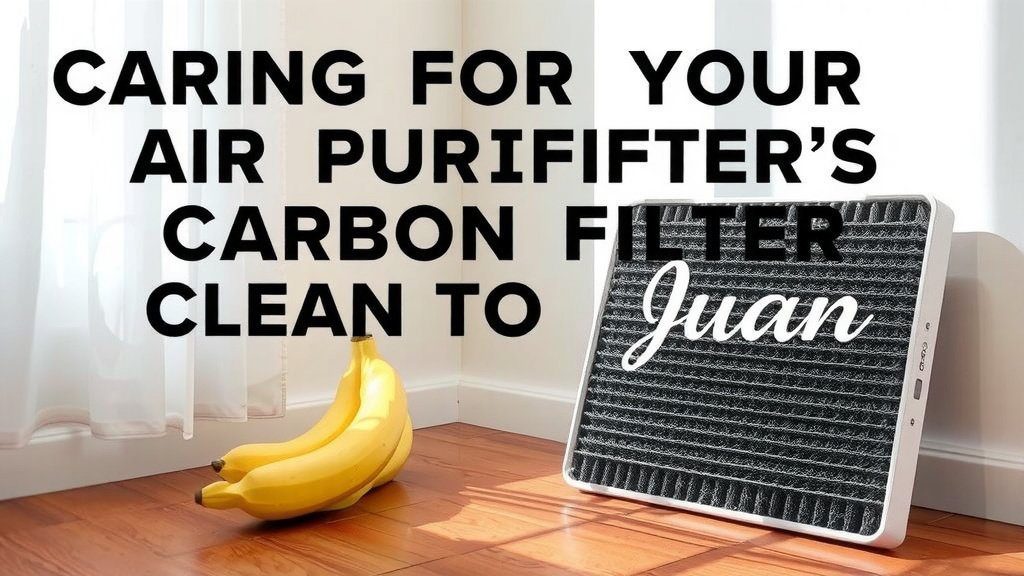
- Visible Dirt: If the carbon filter looks heavily discolored or clogged with dust, it’s definitely time for a change.
Other Types of Carbon Filters and Their Care
While most standard filters aren’t cleanable, some advanced or industrial-grade air purification systems use different types of carbon filters that might have specific cleaning instructions. These are less common in typical home units.
Washable Pre-Filters
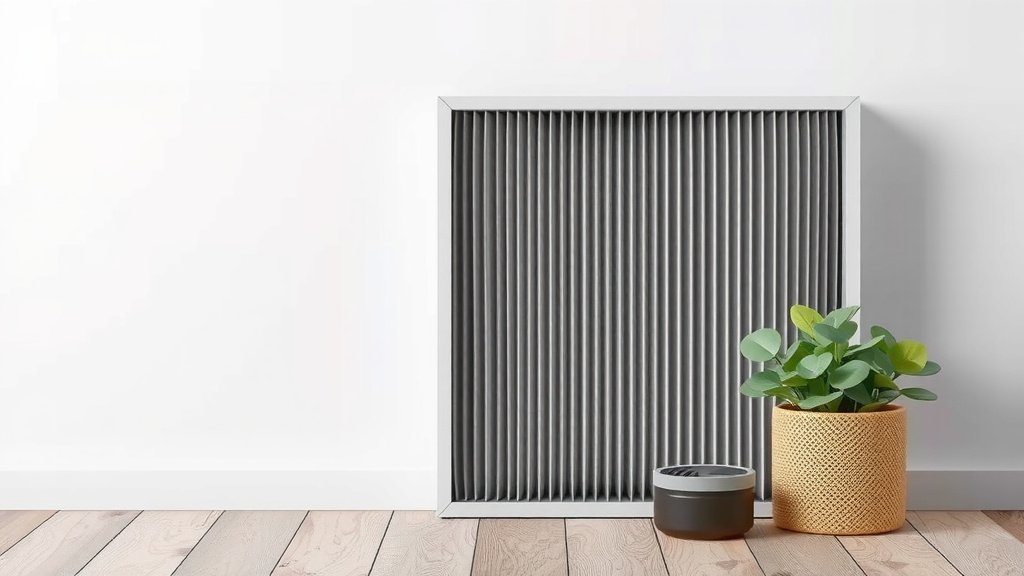
It’s important to distinguish the carbon filter from other filters in your air purifier. Many units have a pre-filter. This is usually a mesh screen that captures larger particles like dust, hair, and pet fur. These pre-filters are almost always washable or vacuumable.
Cleaning your pre-filter regularly is vital. It protects the more delicate HEPA and carbon filters by removing the biggest debris first. A dirty pre-filter can clog up quickly, reducing airflow and making your other filters work harder and clog faster.
How to Clean a Washable Pre-Filter
- Gently vacuum the pre-filter to remove loose dust.
- If it’s very dirty, you can usually wash it with mild soap and water.
- Rinse it thoroughly.
- Allow it to air dry completely before reinserting it.
Never put a damp pre-filter back into your air purifier. Moisture can lead to mold growth and damage the other filters.
Specialized Carbon Media
In some higher-end or commercial air purifiers, you might find specialized carbon filters. These could involve different forms of activated carbon, like activated alumina or granulated activated carbon (GAC). Some of these might be designed with regeneration capabilities, but this is rare for standard home models.
If your air purifier manual mentions anything about cleaning or regenerating the carbon filter, follow those instructions precisely. These specialized systems often have specific procedures that need to be followed to avoid damaging the filter media.
A Quick Checklist for Your Carbon Filter’s Health
To keep your air purifier running effectively, remember these key points:
- Always consult your manual first.
- Identify your filter type: Is it a standard carbon filter, a washable pre-filter, or something else?
- Understand that most carbon filters are not cleanable.
- Washable pre-filters: Clean these regularly by vacuuming or washing.
- Carbon filters: Expect to replace them every 3-6 months, or as recommended.
- “Refreshing” is temporary and not a substitute for replacement.
| Filter Type | Can it be Cleaned? | Typical Maintenance | Lifespan Consideration |
|---|---|---|---|
| Standard Activated Carbon Filter | No | Replacement | 3-6 months (or when saturated) |
| Washable Pre-Filter | Yes | Vacuum or Wash | Clean as needed, replaces when torn/damaged |
| Specialized/Regenerable Carbon | Sometimes (follow manual) | Specific instructions apply | Varies greatly; check manual |
Ultimately, maintaining clean air means understanding the components of your air purifier. While the idea of cleaning a carbon filter is appealing, for most home units, replacement is the most effective and recommended path to ensure you’re breathing the freshest air possible. Treat your carbon filter like a one-time use item, and your air quality will thank you!
Conclusion
You’ve learned that while the idea of cleaning your air purifier’s carbon filter is appealing, it’s usually not the best approach for most home units. For standard activated carbon filters, saturation is the end game, and replacement is key for optimal air quality. Remember to differentiate between your carbon filter and the often-washable pre-filter; keeping that pre-filter clean helps your main filters last longer. Always trust your air purifier’s manual for specific guidance. When in doubt, replacing your carbon filter every 3-6 months is your best bet for consistently fresh air.
Frequently Asked Questions
How often should I really replace my air purifier’s carbon filter?
Research and manufacturer guidelines suggest replacing standard carbon filters every 3 to 6 months. This timeframe can shorten if you have pets, live in a polluted area, or run your purifier constantly. Your air purifier’s manual will offer the most precise recommendation for your specific model.
Can vacuuming a carbon filter help at all?
Vacuuming a carbon filter might remove some loose surface dust, but it won’t regenerate the filter’s ability to trap odors and gases. The particles are adsorbed deep within the carbon’s pores. Therefore, vacuuming is not an effective cleaning method for saturation.
What does “adsorb” mean in relation to carbon filters?
Adsorption is the process where molecules, like odor compounds, stick to the surface of the carbon material. Unlike absorption, where a substance is taken into another (like water into a sponge), adsorption means particles are held onto the outer structure of the carbon. This is how carbon filters trap impurities.
Are there any types of carbon filters I *can* clean?
Most standard activated carbon filters in home air purifiers are not designed for cleaning. However, some specialized industrial or high-end systems might use different carbon media that can be regenerated. Always check your air purifier’s manual to confirm if your specific filter type allows for any form of cleaning or regeneration.
What are the signs my carbon filter needs replacing, not just refreshing?
The biggest signs are persistent odors in your home despite the air purifier running, or a noticeable decrease in air freshness. If you’ve tried “refreshing” methods and the issues remain, or if it’s been over 6 months since the last replacement, it’s definitely time for a new filter.
![5 Best Air Purifier for Cheap [In 2026]](https://homeunderstandable.com/wp-content/uploads/2025/06/best-air-purifier-for-cheap-top-affordable-options-for-fresh-air-768x384.jpg)