Breathe Easy: How to Purify Home Air from Dust
The easiest way to purify your home air from dust is by combining regular cleaning with better air filtration. You can achieve cleaner air by using high-efficiency air filters in your HVAC system and portable air purifiers. These methods trap dust particles before they circulate in your living space.
Dust buildup can trigger allergies and asthma. Keeping dust levels low improves your home’s air quality. Many experts recommend a multi-pronged approach. This includes routine vacuuming with a HEPA filter and frequent dusting of surfaces. You’ll also want to consider opening windows when possible.
- Clean regularly with a HEPA vacuum.
- Use high-efficiency air filters for your HVAC.
- Consider portable air purifiers for key rooms.
- Dust surfaces with a damp cloth.
- Ventilate your home when outdoor air is clean.
Let’s walk through exactly how to tackle dust and get your home’s air feeling fresh and clean, step by step.
Breathe Easier: Your Guide to Dust-Free Home Air
Getting rid of dust is more than just a tidiness goal. It’s about creating a healthier living space for you and your family. Dust particles can carry allergens, irritants, and even tiny organisms that can affect your breathing. We want to help you tackle this common household issue effectively.
Understanding the Dust Dilemma
Did you know that dust is a mix of many things? It can include skin cells, fabric fibers, pet dander, pollen, and even tiny bits of dirt tracked in from outside. These particles float around in the air. They also settle on surfaces, creating that familiar fuzzy layer. Over time, this accumulation impacts your home’s air quality.
Why Dust Matters for Your Health
For many people, dust is more than just an annoyance. It’s a trigger for **allergies and asthma**. If you find yourself sneezing more indoors, or if someone in your household experiences wheezing or itchy eyes, dust might be the culprit. Reducing dust can lead to a noticeable improvement in respiratory comfort (Cleveland Clinic).
The Cycle of Dust: Where Does It Come From?
Dust is a sneaky one. It seems to appear out of nowhere, doesn’t it? Much of the dust in your home comes from **inside sources**. Think about shedding skin cells, pet hair, and fibers from carpets and upholstery. Outside air also brings in pollen and dirt when windows and doors are open. Even cooking can release fine particles into the air.
Your Action Plan for Cleaner Air: Step-by-Step
Step 1: Master the Art of Cleaning Surfaces
When it comes to dusting, your technique matters. A dry cloth often just moves dust around. It can even kick it up into the air. Instead, reach for a **damp microfiber cloth**. This traps dust particles effectively, lifting them from the surface instead of scattering them.
Pay attention to often-overlooked spots. Dust bunnies love to hide behind furniture, on top of ceiling fans, and in light fixtures. Make it a habit to get to these tricky areas regularly. A gentle, regular dusting can make a big difference.
Step 2: Harness the Power of Your Vacuum Cleaner
Vacuuming is a cornerstone of dust removal. However, not all vacuums are created equal when it comes to dust. If your vacuum doesn’t have good filtration, it might be pushing fine dust particles back into the air. This is where a **HEPA filter** comes in.
A HEPA (High-Efficiency Particulate Air) filter can trap at least 99.97% of airborne particles 0.3 microns in size. That’s incredibly small! Look for vacuums that are specifically certified to meet HEPA standards. This ensures they are designed to capture those tiny irritants.
Vacuuming Best Practices
- Vacuum floors, carpets, and upholstery at least once or twice a week.
- Use the appropriate attachments for different surfaces. Crevice tools are great for edges, and upholstery brushes work well on furniture.
- When vacuuming carpets, consider a vacuum with a brush roll that can agitate the fibers to loosen trapped dust.
- Empty your vacuum cleaner bag or canister outside to avoid releasing dust back into your home.
Step 3: Upgrade Your Home’s Air Filtration System
If your home has a central heating and cooling system (HVAC), it’s a major air circulator. That means it can also circulate dust. The good news? You can upgrade the filter in your HVAC system. Look for filters with a high **MERV rating** (Minimum Efficiency Reporting Value). MERV ratings range from 1 to 20.
A higher MERV rating means the filter is better at capturing smaller particles. For residential use, filters with a MERV rating of **11 to 13** are often recommended. They provide excellent filtration without overly restricting airflow, which could strain your system. Check your HVAC manual for the correct filter size and type. Regularly changing your filter is essential, typically every 1-3 months, depending on the filter and your home environment.
Step 4: Consider Portable Air Purifiers
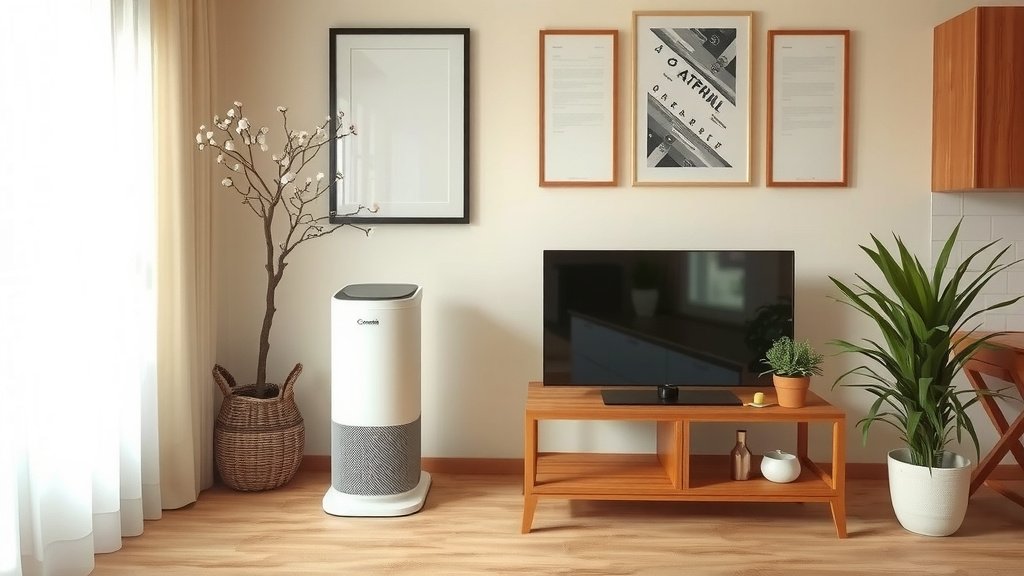
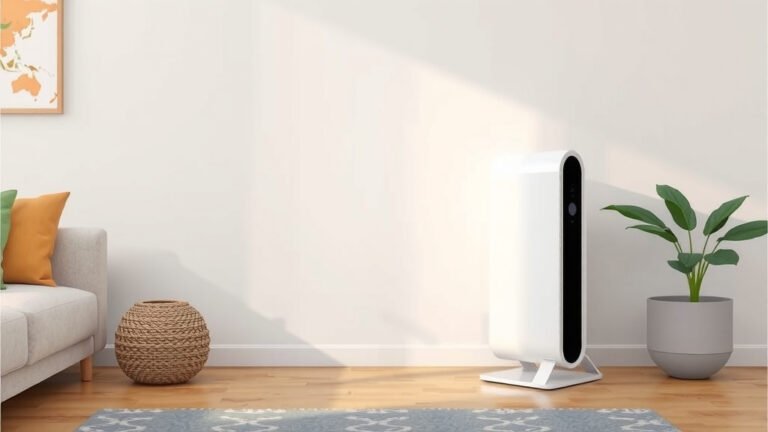
For an extra layer of dust control, portable air purifiers are a fantastic addition. These devices are designed to clean the air in a specific room. Many use HEPA filters, just like high-quality vacuum cleaners.
Place them in rooms where you spend the most time, like bedrooms or living areas. They can significantly reduce the number of dust particles circulating in that space. When choosing an air purifier, look for one that is sized appropriately for the room you intend to use it in. Also, check the CADR (Clean Air Delivery Rate) – a higher CADR means it cleans the air faster. Many modern units also include activated carbon filters to help with odors and volatile organic compounds (VOCs).
Choosing the Right Air Purifier
When you’re looking at air purifiers, consider these points:
- **HEPA Filter:** This is a non-negotiable for effective dust capture.
- **Room Size:** Ensure the purifier’s coverage area matches your room dimensions.
- **Noise Level:** Some purifiers can be noisy. Check decibel ratings, especially for bedrooms.
- **Filter Replacement Cost:** Factor in the ongoing cost of replacement filters.
Step 5: Let Fresh Air In (Strategically!)
Ventilation is a simple yet effective way to reduce indoor dust. Opening windows and doors allows stale indoor air, which may be laden with dust, to escape. This air is then replaced by fresher outdoor air.
However, this strategy needs to be used wisely. If you live in an area with high outdoor pollution or during peak pollen seasons, opening windows might actually bring more irritants inside. On days with clean, crisp air, opening your windows for 15-30 minutes can do wonders for your indoor air quality. It’s a natural way to refresh your home’s atmosphere.
Dust Control Checklist for a Healthier Home
Ready to put this into action? Here’s a quick checklist to help you:
- Vacuum carpets and upholstery weekly with a HEPA filter vacuum.
- Dust all surfaces with a damp microfiber cloth every few days.
- Change your HVAC air filter every 1-3 months.
- Consider a portable HEPA air purifier for your bedroom or main living area.
- Open windows for ventilation on days with good outdoor air quality.
- Wash bedding frequently in hot water to kill dust mites.
By incorporating these steps into your routine, you’ll notice a difference in the air you breathe. It’s about making smart choices that contribute to a cleaner, healthier home environment.
Conclusion
You’ve learned that purifying your home air from dust is achievable with a consistent, multi-step approach. By combining regular cleaning habits with smarter filtration, you create a healthier living space. Remember to use damp cloths for dusting and a vacuum with a HEPA filter. Upgrading your HVAC filter and using portable air purifiers add powerful layers of defense. Don’t forget the simple act of ventilating your home on clean air days. Ready to breathe easier? Start today by implementing one new habit from this guide!
Frequently Asked Questions
How often should I vacuum to control dust?
It’s recommended to vacuum your floors, carpets, and upholstery at least once or twice a week. This frequency helps to capture dust before it becomes deeply embedded or airborne. Using a vacuum with a HEPA filter will ensure you’re trapping the smallest particles.
Can opening windows really help reduce dust?
Yes, opening windows can help freshen your indoor air by allowing stale, dust-laden air to escape. However, it’s best to do this on days when outdoor air quality is good. Avoid opening windows during high pollen seasons or when outdoor pollution is high.
What’s the best type of air filter for my home’s HVAC system?
For your HVAC system, look for filters with a MERV rating between 11 and 13. These offer excellent filtration for dust and other airborne particles without straining your system. Always check your HVAC manual for the correct filter size and type.
Are portable air purifiers effective for dust?
Absolutely. Portable air purifiers, especially those with HEPA filters, are very effective at capturing dust particles in specific rooms. Place them in areas where you spend the most time, like your bedroom or living room, for maximum benefit.
My allergies are bad indoors. Could dust be the main cause?
Dust is a common trigger for indoor allergies and asthma symptoms like sneezing, coughing, or itchy eyes. Reducing dust through regular cleaning, better filtration, and air purification can significantly improve your respiratory comfort and overall indoor air quality.
![What Is The Best Dyson Air Purifier for Small Room [In 2026]](https://homeunderstandable.com/wp-content/uploads/2025/05/best-dyson-air-purifier-for-small-room.jpg)