Breathe Easier: Purify Home Air from Smoke
The quickest way to purify your home air from smoke is to immediately open windows for ventilation and turn on your air purifier with a HEPA filter. Smoke particles are tiny and spread fast. Getting fresh air in and filtered air circulating helps clear out the odor and irritants quickly. This combination is your best first defense against lingering smoky smells and hazardous particles.
Smoke from fires, cooking, or even cigarettes can make your home environment unhealthy. It’s not just about the smell; smoke contains fine particulate matter that can affect your respiratory health. Many experts recommend a multi-pronged approach, combining immediate actions with longer-term solutions like proper air filtration and cleaning, to ensure your air is as clean and safe as possible.
- Open windows for fresh air circulation.
- Run an air purifier with a HEPA filter.
- Consider using activated carbon filters.
- Clean surfaces to remove smoke residue.
- Wash soft furnishings that hold odors.
Ready to breathe easier? Let’s walk through the most effective steps to get your home smelling fresh and feeling healthy again after smoke exposure.
Breathe Easy Again: Clearing Smoke from Your Home’s Air
Dealing with smoke in your home can feel overwhelming. Whether it’s from a wildfire nearby, a kitchen mishap, or even indoor smoking, those particles and odors don’t just disappear on their own. You want your home to be a safe haven, not a place that irritates your lungs or makes your eyes water. Fortunately, there are proven methods to tackle this problem effectively.
Research indicates that smoke can linger in the air and settle on surfaces for a long time. This is why a quick fix isn’t always enough. You need a strategy that addresses both the airborne particles and the residue left behind. Let’s dive into how you can get your home’s air back to being fresh and clean.
Immediate Actions for Smoke Removal
When smoke first enters your home, time is of the essence. The faster you act, the less chance the smoke has to permeate everything.
Ventilation is Your First Line of Defense
Opening windows and doors is critical. It allows the smoky air to escape and fresh air to come in. Think of it like giving your home a good, deep breath. This simple step can make a big difference in reducing the concentration of smoke particles and odor.
You want to create cross-ventilation if possible. Open windows on opposite sides of your home. This helps establish a flow that pushes the stale air out more effectively. Even if it’s cold outside, a short period of intense ventilation can be very beneficial.
Air Purifiers: Your Silent Guardians
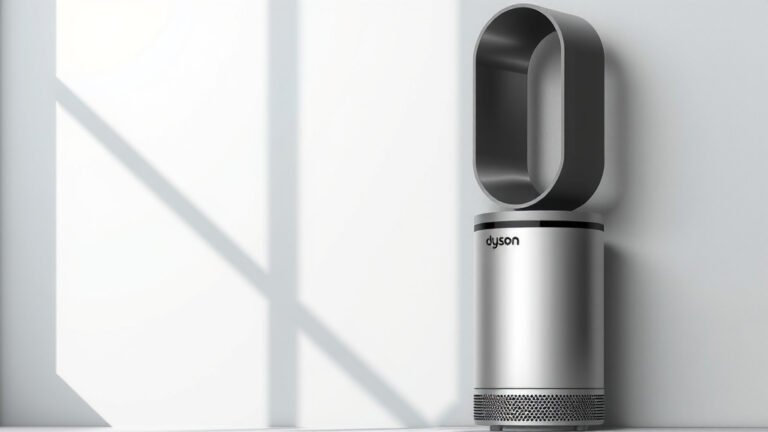
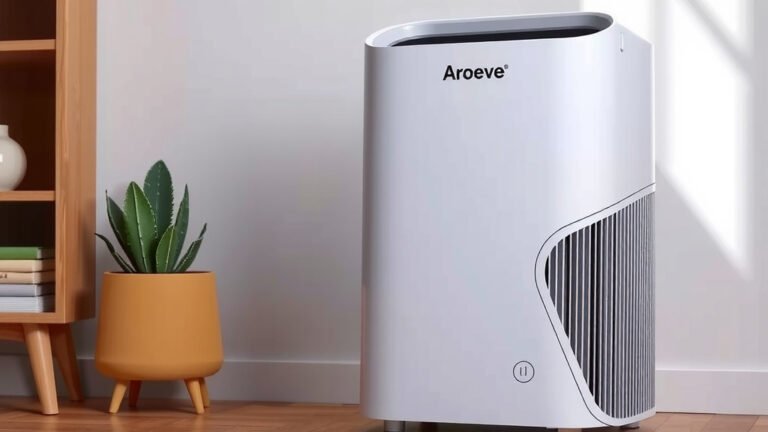
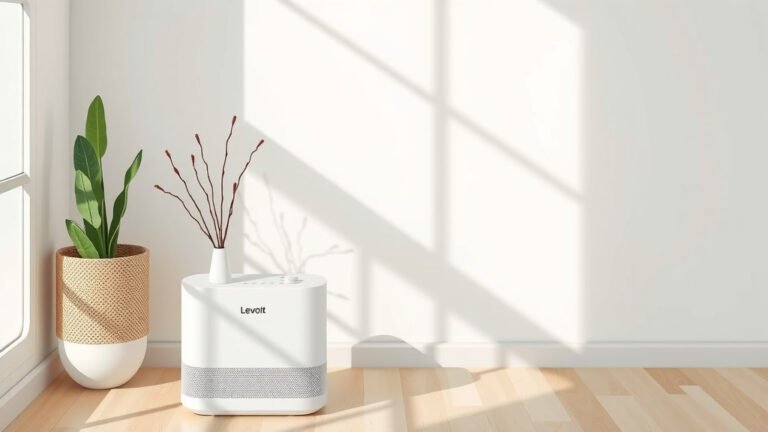
An air purifier with a HEPA filter is a powerhouse against smoke. HEPA stands for High-Efficiency Particulate Air. These filters are designed to capture 99.97% of particles as small as 0.3 microns. Smoke particles are often well within this range.
Look for an air purifier that is sized appropriately for the room you intend to use it in. Most manufacturers provide CADR (Clean Air Delivery Rate) ratings. A higher CADR means it can clean the air in a space more quickly. Many experts recommend placing purifiers in the rooms where you spend the most time, like bedrooms and living areas.
Activated Carbon for Odor Control
While HEPA filters trap particles, activated carbon filters are fantastic for odors. Smoke carries a strong smell that can be persistent. Activated carbon has a porous surface that adsorbs, or traps, odor molecules. Many good air purifiers come with a combination HEPA and carbon filter, offering a dual benefit.
If your current purifier only has a HEPA filter, consider if it has an option to add a carbon pre-filter or if you can upgrade to a model with both. This addition can significantly improve the smell in your home.
Deep Cleaning for Lasting Freshness
Once the immediate airborne smoke is managed, you’ll need to tackle the residue that has settled. Smoke particles are sticky and can cling to surfaces, continuing to release odors and potentially irritants.
Wipe Down All Surfaces
Hard surfaces like walls, floors, countertops, and furniture need a good cleaning. Use a mild detergent or a specialized smoke residue cleaner. For walls and ceilings, a solution of warm water and white vinegar can be effective. Many cleaning resources suggest a ratio of 1 cup of vinegar to 1 gallon of water.
Start from the top of the room and work your way down. This prevents you from spreading dirt and residue onto already cleaned areas. Don’t forget light fixtures, ceiling fans, and even the inside of cabinets and drawers.
Tackling Soft Furnishings and Fabrics
Fabrics are notorious for trapping smoke odors. Curtains, upholstery, carpets, and bedding can hold onto that smell stubbornly.
Washing What You Can
Wash any removable fabric items that can be laundered. Use hot water if the fabric allows, and add a cup of white vinegar or a commercial odor-removing laundry additive to the wash cycle. Make sure to dry them thoroughly, preferably in a dryer on a medium heat setting.
Professional Cleaning and Deeper Treatments
For items like upholstered furniture, carpets, and drapes that cannot be machine washed, you might need professional cleaning. A professional carpet cleaner can often remove deep-set odors. For large rugs, consider taking them to a professional cleaner.
Some homeowners have found success with dry-cleaning for certain fabrics. Always check the care labels on your items before attempting any cleaning method.
Don’t Forget Your HVAC System
Your heating, ventilation, and air conditioning (HVAC) system can circulate smoke throughout your entire house. If smoke was a significant issue, you should consider cleaning or replacing your HVAC system’s air filter. Experts often recommend checking and changing this filter more frequently after smoke exposure (CDC).
Depending on the severity of the smoke, you might even need to have your ductwork professionally cleaned. This ensures that any residual smoke particles are removed from the channels that distribute air throughout your home.
Preventative Measures and Long-Term Air Quality
After you’ve gone through the cleaning process, maintaining good air quality is key. You want to prevent those smoky smells and particles from returning.
Regular Air Filter Checks
Make it a habit to check your air purifier filters regularly and replace them according to the manufacturer’s recommendations. Clogged filters are less effective and can even become a source of new odors.
Consider Air-Changing Habits
If you live in an area prone to wildfires, keeping windows closed during smoky periods and relying on your air purifier is a smart strategy. Ensure your home is well-sealed to prevent outside smoke from entering.
Dealing with Stubborn Odors
Sometimes, even after cleaning, a faint smoky smell might linger. Baking soda is a natural deodorizer. Placing open boxes of baking soda in rooms can help absorb residual odors. Activated charcoal also works well for this purpose.
You might find that a combination of these methods works best for your situation. It’s about being thorough and persistent to reclaim the clean air in your home.
Your Smoke-Free Home Checklist
- Open windows and doors for immediate ventilation.
- Run your air purifier with a HEPA filter.
- Wipe down all hard surfaces.
- Wash or clean all soft furnishings.
- Check and replace your HVAC air filter.
- Use baking soda or charcoal to absorb lingering odors.
Conclusion
You’ve learned that clearing smoke from your home involves quick action and thorough cleaning. Remember to prioritize ventilation and air purification with HEPA and carbon filters right away. Don’t forget to tackle settled residue on surfaces and fabrics for lasting freshness. By following these steps, you can effectively restore your home’s air quality and create a healthier environment for you and your family. Start by opening those windows and turning on your air purifier today!
Frequently Asked Questions
How long does smoke odor typically last after an event?
Smoke odor can linger for days or even weeks if not properly addressed. The duration depends on the intensity of the smoke and how quickly you implement cleaning and purification methods. Persistent odors often mean residue is still present on surfaces.
Can I just use an air freshener to get rid of smoke smell?
Air fresheners only mask smoke odors temporarily; they don’t remove the particles causing the smell. For true smoke removal, you need to physically remove the particles and trapped odors from the air and surfaces. Relying solely on air fresheners won’t solve the problem long-term.
What’s the best way to clean smoke residue from walls and ceilings?
A solution of warm water and white vinegar is very effective for cleaning smoke residue from walls and ceilings. Use a sponge or cloth and work from top to bottom to avoid spreading soot. Always test a small, inconspicuous area first.
Should I worry about smoke from my own cooking?
Yes, even smoke from cooking can impact your indoor air quality. Heavy cooking can release fine particles and odors that settle. Using your range hood fan during cooking and running an air purifier afterward can help keep your air clean.
How often should I replace my air purifier filters after smoke exposure?
After significant smoke exposure, you should check your air purifier filters more frequently than usual. Replace them according to the manufacturer’s instructions, or sooner if you notice they are visibly dirty or the unit’s performance decreases. This ensures your purifier remains effective.

![What Is The Best Air Purifier for Basement Room [In 2026]](https://homeunderstandable.com/wp-content/uploads/2025/06/best-air-purifier-for-basement-room-top-choices-for-clean-air-768x512.jpg)