How to Clean Your GermGuardian Air Purifier Filter
The easiest way to clean your GermGuardian air purifier filter is by vacuuming it gently with a soft brush attachment. For washable filters, a rinse under cool water and thorough air drying is usually best. Always consult your specific model’s manual to confirm cleaning methods and ensure you don’t damage the filter. This process helps maintain optimal air quality in your home.
Keeping your GermGuardian filter clean is key to its effectiveness. A dirty filter means your purifier struggles to pull in air. This can reduce its ability to capture dust, allergens, and other airborne particles. Regular cleaning also extends the life of your purifier, saving you money in the long run. Think of it as a simple tune-up for fresher air.
- Vacuum washable filters gently with a soft brush.
- Rinse non-washable filters with cool water if allowed by the manual.
- Always air dry filters completely before reinsertion.
- Check your model’s manual for specific instructions.
Let’s walk through exactly how to get your GermGuardian filter sparkling clean, step by step.
Keeping Your GermGuardian Air Purifier Filter Clean and Working
Cleaning your GermGuardian air purifier filter is much simpler than you might think. You’ll want to get this done regularly. A clean filter means better air quality for your home. It also helps your purifier run efficiently. Let’s get your filter looking and working like new again.
Understanding Your GermGuardian Filter Types
GermGuardian air purifiers often use a combination of filters. Most units have a pre-filter, a HEPA filter, and an activated carbon filter. Some may have an additional UV-C light or other special features. The type of filter you have determines the best cleaning method.
Identifying Washable vs. Non-Washable Filters
This is the most important first step. Some pre-filters are designed to be rinsed and reused. HEPA filters and activated carbon filters are typically not washable. Washing these can damage the delicate materials inside. Always check your user manual to be sure.
What the Manual Says is Key
Your GermGuardian manual is your best friend here. It will tell you exactly which filters can be cleaned and how. It’s like a cheat sheet for your specific model. Forcing a cleaning method that isn’t recommended could ruin your filter. And nobody wants to buy new filters unnecessarily.
The Pre-Filter: Your First Line of Defense
The pre-filter is usually the outermost layer. It catches larger particles like pet hair and big dust bunnies. Because it catches the biggest stuff, it tends to get dirty first. Cleaning this regularly will extend the life of your other filters.
Gentle Vacuuming for Pre-Filters
For most pre-filters, a gentle vacuuming is all you need. Use your vacuum’s soft brush attachment. Move it across the surface of the filter. This will lift away the trapped dust and debris. Don’t press too hard. You just want to loosen and remove the dirt.
Rinsing for Stubborn Dirt
If vacuuming doesn’t get everything, and your manual says it’s okay, you can try rinsing. Gently rinse the pre-filter under cool running water. Make sure the water flows in the opposite direction of normal airflow. This helps push the dirt out. You might need to do this a couple of times.
The HEPA and Activated Carbon Filters: Handle with Care
These are the workhorses of your air purifier. The HEPA filter captures tiny allergens like pollen and mold spores. The activated carbon filter absorbs odors and smoke. They are designed for filtration, not washing. Attempting to wash them can damage their structure.
Why You Shouldn’t Wash HEPA and Carbon Filters
HEPA filters are made of very fine fibers. If they get wet, these fibers can clump together. This reduces airflow and filtration efficiency. Activated carbon filters have a porous structure. Water can fill these pores. This makes them less effective at absorbing odors and gases. Experts at the EPA suggest replacing these filters as recommended for optimal performance.
The Best Way to Clean These Filters (If Allowed)
Some GermGuardian models might allow for a light dusting or gentle vacuuming of these filters. Again, check your manual first. If allowed, use that soft brush attachment on your vacuum. Gently brush the surface. Focus on removing loose dust. This is not a deep clean. It’s more of a light maintenance step.
The Crucial Step: Thorough Air Drying
This step is non-negotiable for any filter you rinse. Never, ever put a damp filter back into your air purifier. Moisture can lead to mold and mildew growth. It can also damage the purifier’s motor. Always allow filters to air dry completely.
How to Properly Air Dry Your Filters
Find a spot with good air circulation. A well-ventilated room or even outdoors on a dry day is ideal. Do not use heat to dry them. No hair dryers or placing them in direct sunlight. Just let them sit. This might take several hours, or even overnight. Patience is key here.
When It’s Time for Replacement
Filters don’t last forever. Even with regular cleaning, they wear out. Your GermGuardian manual will specify replacement intervals. This is usually every 6-8 months. Signs that a filter needs replacing include a visible buildup of dirt, reduced airflow from the unit, or persistent odors. Don’t wait too long!
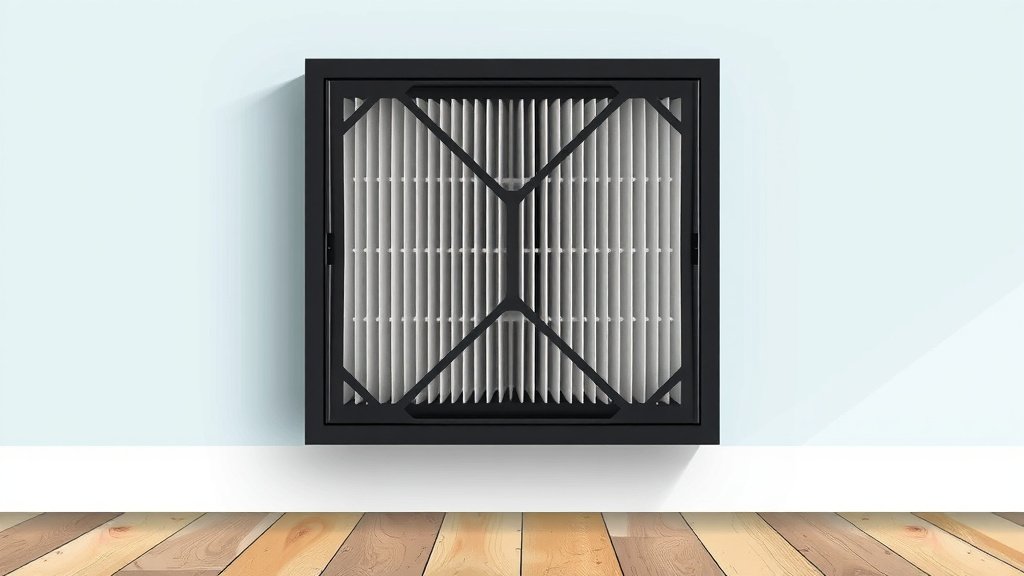
Quick Checklist for Filter Cleaning Success
- Step 1: Unplug your GermGuardian. Always disconnect power before starting.
- Step 2: Open the unit and remove the filter(s).
- Step 3: Identify which filters are washable and which are not.
- Step 4: Gently vacuum washable pre-filters with a soft brush attachment.
- Step 5: Rinse washable filters under cool water if your manual allows.
- Step 6: Air dry ALL rinsed filters completely before reassembly.
A Simple Cleaning Schedule Example
To keep things easy, try to get into a routine. Many people find it helpful to clean their washable filters monthly. For filters that are not washable, you can gently vacuum them during the monthly check. Then, plan to replace all filters as recommended by your manual. This might be every 6-8 months, depending on your model and air quality.
| Filter Type | Cleaning Method | Frequency (Approx.) |
|---|---|---|
| Pre-Filter (Washable) | Gentle Vacuuming / Rinsing | Monthly |
| HEPA Filter | Gentle Vacuuming (if allowed) / Replacement | Replace every 6-8 months |
| Activated Carbon Filter | Gentle Vacuuming (if allowed) / Replacement | Replace every 6-8 months |
Conclusion
You’ve learned that keeping your GermGuardian filter clean is straightforward! Remember, gentle vacuuming is your best friend for most pre-filters. For HEPA and carbon filters, always refer to your manual, as they’re often designed for replacement, not washing. The most important steps are always unplugging your unit and ensuring any rinsed filters are completely air-dried before reinsertion. Making filter care a regular habit will ensure your GermGuardian delivers the freshest air possible for your home. Your next step is to check your manual and schedule your first filter cleaning!
Frequently Asked Questions
How often should I clean my GermGuardian air purifier filter?
You should aim to clean your washable pre-filters monthly. For non-washable HEPA and activated carbon filters, a gentle vacuuming once a month can help remove loose dust if your manual permits. Always follow the manufacturer’s recommended replacement schedule, typically every 6-8 months, for these filters.
Can I wash my GermGuardian HEPA filter?
Generally, no, you should not wash your GermGuardian HEPA filter. The delicate fibers can be damaged by water, reducing their ability to capture tiny particles and impairing airflow. Always consult your specific model’s manual to confirm if any light dusting or vacuuming is recommended instead.
What happens if I don’t clean my air purifier filter?
If you neglect filter cleaning, your GermGuardian will struggle to pull air through it. This significantly reduces its effectiveness at cleaning your air. A clogged filter can also strain the motor, potentially shortening the purifier’s lifespan and leading to odors.
My GermGuardian filter smells musty. What should I do?
A musty smell often indicates moisture trapped in the filter, possibly leading to mold or mildew growth. Ensure any cleaned filters were fully air-dried. If the smell persists, it’s likely time to replace the filter, especially if it’s an activated carbon filter that has absorbed odors.
Can I use heat to dry my GermGuardian filter faster?
No, you should never use heat to dry your GermGuardian filter. This includes hair dryers or placing it in direct sunlight. High heat can warp or damage the filter materials, making it ineffective. Always opt for slow, natural air drying in a well-ventilated area.
![What Is The Best Air Purifier for Dust [In 2026]](https://homeunderstandable.com/wp-content/uploads/2025/06/best-air-purifier-for-dust.jpg)