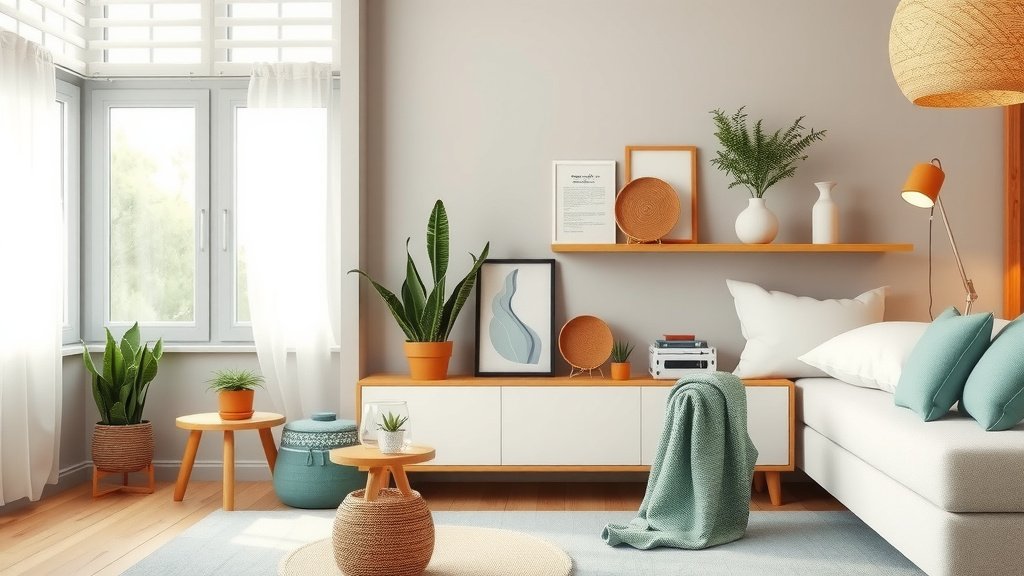
Naturally Purify Your Home Air: Simple Solutions
You can purify the air in your home naturally by introducing houseplants, improving ventilation, and using simple cleaning methods. Many common household items can help remove toxins. We’ve found that a combination of these approaches is most effective for creating a healthier indoor environment. Focusing on these key areas can make a big difference.
Indoor air can become surprisingly polluted. Things like cooking, cleaning products, and even furniture can release chemicals. Thankfully, nature offers some great solutions! You don’t always need fancy gadgets to breathe easier. We found that many people are looking for natural ways to improve their home’s air quality. It’s about creating a fresher, cleaner space for you and your family. Let’s talk about how to achieve that.
- Bring in houseplants known for air purification.
- Open windows regularly for fresh air exchange.
- Use natural cleaning solutions instead of harsh chemicals.
- Consider activated charcoal for odor absorption.
- Maintain good humidity levels with natural methods.
Ready to learn how to make your home’s air naturally cleaner? Let’s dive into the simple steps you can start using today.
Breathing Easy: Your Guide to Natural Air Purification at Home
You want a home that feels fresh and clean. Sometimes, the air inside can feel heavy or stale. We found that it’s often filled with things we don’t even notice. Thankfully, making your indoor air healthier doesn’t require expensive machines. You can use simple, natural methods to improve air quality significantly. Let’s look at how you can achieve a cleaner breathing space for your family.
The Power of Plants: Nature’s Air Filters
Did you know that certain houseplants can actually clean the air around you? It’s true! They work by absorbing common indoor pollutants. Researchers have identified several species that are particularly good at this. Bringing a few of these green companions into your home is a beautiful way to purify your air naturally.
Top Houseplants for Cleaner Air
When choosing plants, look for varieties known for their air-purifying qualities. These plants can help remove toxins like formaldehyde and benzene. These are often found in paints, cleaning products, and furniture. Some top performers include:
- Spider Plant: These are super easy to care for and produce lots of “babies.” They are great at removing formaldehyde.
- Snake Plant: Also known as Mother-in-Law’s Tongue, these plants are very hardy. They release oxygen at night, making them perfect for bedrooms.
- Peace Lily: These beautiful plants with white flowers can remove ammonia and mold spores from the air. Just be careful if you have pets, as they can be mildly toxic if ingested.
- Boston Fern: This lush fern is excellent at removing formaldehyde and xylene. It also adds a lovely touch of green to any room.
- Areca Palm: These palms are known for their ability to humidify the air. They also help filter out common toxins.
When you bring plants home, remember they need proper care. Good soil and the right amount of light are essential. They’re working hard for you, so give them a little love back! We found that even a few plants can make a noticeable difference in how your home feels.
Ventilation: Letting Fresh Air In
Opening your windows is one of the simplest and most effective ways to refresh your home’s air. Indoor air can become stagnant quickly. Pollutants can build up without proper airflow. Letting in fresh air dilutes these indoor pollutants.
Making the Most of Air Exchange
How often should you open your windows? We found that a good rule of thumb is to open them for at least 15-30 minutes each day. This is especially important after activities that can increase indoor pollutants, like cooking or cleaning. Even a slight breeze can help circulate fresh air.
Consider creating a cross-breeze. Open windows on opposite sides of your home. This encourages a natural flow of air through your living space. It’s like giving your home a good deep breath! This simple act can dramatically reduce the concentration of indoor pollutants (Environmental Protection Agency).
Natural Cleaning for a Healthier Home
Many conventional cleaning products contain harsh chemicals. These chemicals can off-gas into your home’s air. Switching to natural cleaning solutions can significantly reduce indoor air pollution.
DIY Natural Cleaners
You can easily make your own effective cleaning solutions using common household ingredients. These are much gentler on your air quality.
- Vinegar: White vinegar is a fantastic all-purpose cleaner. Mix it with water for cleaning surfaces. Its acidity helps break down grime.
- Baking Soda: This is a great natural deodorizer. Sprinkle it on carpets or upholstery to absorb odors. You can also use it as a gentle scouring agent.
- Lemon Juice: Lemon juice has natural bleaching and disinfecting properties. It also leaves a pleasant, fresh scent.
When cleaning, always use microfiber cloths. They trap dust and dirt more effectively than traditional cloths. This prevents particles from becoming airborne again. We found that this small change makes a big difference in reducing dust.
Odor Absorption: Tackling Stale Smells
Sometimes, even after cleaning, lingering odors can make your home feel less fresh. Natural absorbers can help without just masking smells.
Activated Charcoal: The Natural Deodorizer
Activated charcoal is a highly porous material. It has an incredible ability to trap and hold onto odor molecules. You can find activated charcoal in easy-to-use bags or containers. Place them in areas prone to odors, like bathrooms, closets, or near pet areas.
Unlike air fresheners, charcoal doesn’t add synthetic fragrances to your air. It simply absorbs what’s there. We found that these bags are a simple, effective way to keep your home smelling neutral and clean. To reactivate them, simply place them in direct sunlight for a few hours.
Humidity Control: Finding the Right Balance
Both too much and too little humidity can affect your home’s air quality. High humidity can encourage mold and dust mites. Low humidity can dry out your nasal passages, making you more susceptible to airborne irritants.
Natural Ways to Adjust Humidity
Adding houseplants, as mentioned earlier, can naturally increase humidity levels. Boiling water on the stove (with the lid off) can also add moisture to the air. Be sure to monitor humidity levels with a simple hygrometer. Aim for a level between 30-50% (Mayo Clinic).
To reduce humidity naturally, try using baking soda in bowls placed around damp areas. You can also ensure good ventilation, especially in bathrooms and kitchens. Running fans can help circulate air and prevent moisture buildup.
Checklist for Fresher Air Today
Ready to get started? Here’s a quick checklist to help you implement these natural air purification methods:
- Add Plants: Bring home 2-3 air-purifying houseplants this week.
- Open Windows: Schedule a daily 15-minute window-opening session.
- DIY Cleaner: Make a simple vinegar and water cleaning spray.
- Declutter: Dust and vacuum regularly with good filters.
- Deodorize Naturally: Place an activated charcoal bag in a key area.
Conclusion
You’ve learned simple, natural ways to make your home’s air cleaner. Bringing in houseplants and ensuring good ventilation are excellent starting points. Natural cleaning methods reduce harsh chemicals. Activated charcoal tackles odors effectively. Balancing humidity also plays a key role. You have the tools now to create a fresher, healthier living space. Start with one small change today, like adding a plant or opening a window daily. Your home and your lungs will thank you for it!
Frequently Asked Questions
How many houseplants do I really need for air purification?
You don’t need to turn your home into a jungle. Research and found that even 2-3 well-placed air-purifying plants can make a noticeable difference. Focus on plants known for their effectiveness, like spider plants or snake plants.
Is opening windows enough to purify my indoor air?
Opening windows is a fantastic way to refresh your air and reduce pollutants. We found it’s most effective when done daily for at least 15-30 minutes. For best results, create a cross-breeze by opening windows on opposite sides of your home.
Can natural cleaning really get my home clean?
Absolutely! Natural cleaners like vinegar, baking soda, and lemon juice are surprisingly effective for most household tasks. We found they break down dirt and grime without releasing harmful fumes into your air.
How often should I replace or “recharge” activated charcoal?
Activated charcoal bags can typically be “recharged” by placing them in direct sunlight for a few hours. This process reactivates their odor-absorbing properties. We found they can last for months with regular recharging.
What if I have pets or young children? Are houseplants safe?
It’s smart to be cautious with pets and children. Some common houseplants, like Peace Lilies, can be mildly toxic if ingested. Always research plant safety and place them out of reach. We recommend choosing pet-friendly options if this is a concern.