Naturally Purify Your Home’s Air: Simple Hacks
You can purify your house air naturally by focusing on removing sources of pollution and increasing natural ventilation. This involves simple steps like opening windows regularly and choosing low-VOC products. Many people wonder if houseplants really make a difference. While they offer some benefits, they aren’t a magic bullet for air purification.
Keeping your indoor air clean is more important than you might think. Poor air quality can affect your health and well-being. Thankfully, there are many effective natural methods you can use. We’ve researched and found that a combination of strategies works best for healthier indoor air.
- Open windows daily for fresh air.
- Use natural cleaning products.
- Control humidity levels.
- Consider houseplants for a small boost.
- Ventilate well when cooking or cleaning.
Ready to breathe easier in your own home? Let’s walk through exactly how to improve your indoor air quality naturally, step by step.
“`htmlNaturally Improving Your Home’s Air Quality
Ready to ditch the stuffy air and breathe a little easier? You’ve likely heard that indoor air can sometimes be worse than outdoor air. The good news is, you don’t need fancy machines to make a big difference. We’ve researched and found that simple, natural methods can dramatically improve the air you breathe at home. It’s all about being mindful of what enters your home and how you manage your living space.
Understanding What Pollutes Your Indoor Air
Before we dive into solutions, let’s quickly look at common culprits. Many everyday items can release volatile organic compounds (VOCs) and other tiny particles. These can come from cleaning supplies, air fresheners, new furniture, and even certain building materials. Understanding these sources helps you target your efforts effectively.
Hidden Sources of Indoor Air Pollution
It might surprise you what can affect your air. Think about those scented candles or cleaning sprays. Many contain chemicals that get released as gases. New carpets or furniture can off-gas for months. Even dust itself is a common irritant, carrying allergens and pollutants. We found that identifying these sources is the first step to a cleaner home environment.
Cleaning Products and VOCs
Many conventional cleaning products are loaded with VOCs. When you spray them, these chemicals disperse into the air. This is particularly true for aerosol sprays and strong-smelling cleaners. Research suggests reducing exposure to these compounds is beneficial for respiratory health (Environmental Protection Agency).
Household Furnishings and Decor
New items like furniture, rugs, and paint can release formaldehyde and other VOCs. This is often called “off-gassing.” While the initial smell might fade, the chemicals can linger. Choosing low-VOC or no-VOC products can make a real difference over time.
Personal Care Products and Air Fresheners
Sprays, perfumes, and even some plug-in air fresheners release VOCs. These can contribute to indoor air pollution. Opting for natural alternatives or simply airing out your space after using them can help. We found that minimizing synthetic fragrances is a simple yet effective strategy.
The Power of Ventilation: Let the Fresh Air In
This is perhaps the most straightforward and impactful natural method. Opening windows allows stale indoor air to escape and fresh outdoor air to enter. It’s like giving your home a much-needed breath of fresh air. We found that even a few minutes can make a noticeable difference.
Daily Airing Out: A Simple Routine
Aim to open windows for at least 5-10 minutes each day, even in cooler weather. Cross-ventilation, where you open windows on opposite sides of your home, is most effective. This creates a natural airflow that pushes out pollutants.
Strategic Ventilation During Activities
Certain activities can temporarily increase indoor pollution. Cooking, for instance, releases particles and gases. Always use your range hood fan when cooking. Similarly, if you’re cleaning, painting, or using strong-smelling products, open windows. This helps disperse any released chemicals quickly.
Choosing Safer Products for Your Home
What you bring into your home matters. By making conscious choices about the products you use, you can significantly reduce indoor air pollutants. This applies to cleaning, personal care, and even home furnishings.
Natural Cleaning Solutions
Vinegar, baking soda, and lemon juice are powerful natural cleaners. They tackle grease and grime without harsh chemicals. Many DIY cleaning recipes are readily available online. We found that these simple ingredients are effective for most household cleaning tasks. Using reusable cloths instead of paper towels also reduces waste.
Low-VOC and Natural Building Materials
When renovating or redecorating, look for paints, adhesives, and finishes labeled “low-VOC” or “zero-VOC.” These options release fewer harmful chemicals into your air. Natural materials like solid wood, bamboo, and certain natural fiber carpets can also contribute to better indoor air quality.
Humidity Control: The Unsung Hero
Maintaining the right humidity level is crucial for healthy indoor air. High humidity can encourage mold and dust mites. Low humidity can dry out your nasal passages, making you more susceptible to airborne irritants.
Managing Moisture Levels
We found that the ideal indoor humidity range is typically between 30% and 50%. You can measure this with a simple hygrometer. Use exhaust fans in bathrooms and kitchens to remove excess moisture. Ensure your home is well-ventilated, especially after showering or cooking.
The Role of Dehumidifiers and Humidifiers
In very humid climates, a dehumidifier can be helpful. Conversely, in dry climates or during winter months, a humidifier can add moisture to the air. Remember to clean these appliances regularly to prevent mold and bacteria growth.
Houseplants: A Green Touch for Fresher Air
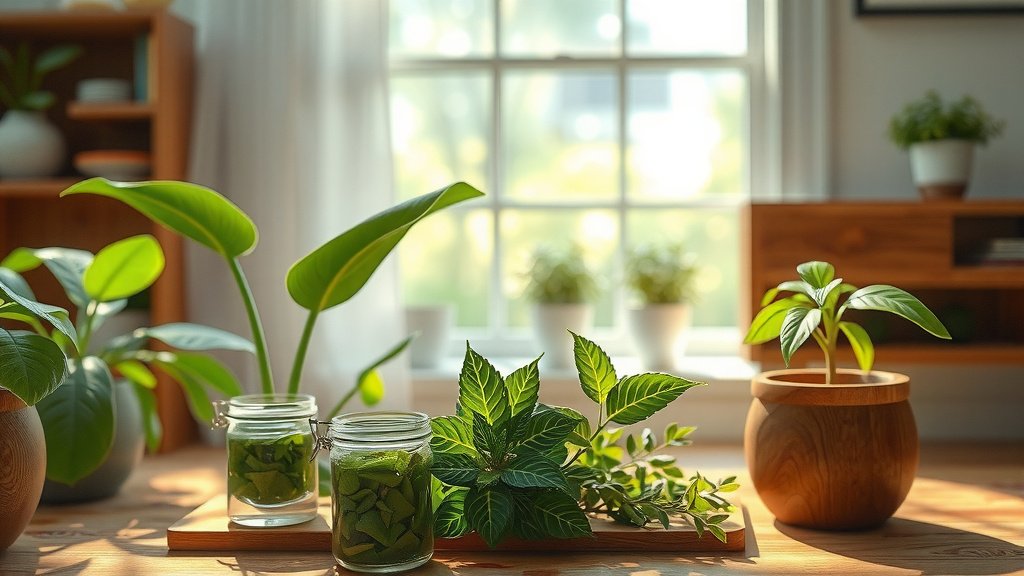
While not a complete solution, houseplants can offer a small but welcome boost to indoor air quality. They can absorb some VOCs and produce oxygen. More importantly, they add a touch of nature that can improve your mood.
Popular Air-Purifying Plants
Research from NASA’s Clean Air Study identified several plants effective at filtering common indoor pollutants. Some top contenders include:
- Spider Plant
- Snake Plant
- Peace Lily
- Boston Fern
- Areca Palm
Realistic Expectations for Plants
It’s important to be realistic. You would need an extensive number of plants to significantly purify the air in a typical home. Think of them as a pleasant addition rather than your primary air purification strategy. Overwatering can also lead to mold issues, so be mindful of their care needs.
Quick Checklist for Fresher Air
Ready to put these tips into action? Here’s a quick checklist:
- Open windows daily for at least 10 minutes.
- Use natural cleaning alternatives.
- Ventilate well during cooking and cleaning.
- Check and manage your home’s humidity levels.
- Consider adding a few houseplants.
- Choose low-VOC products when possible.
Conclusion
You now have the tools to naturally improve your home’s air quality. Remember, a combination of consistent ventilation, smart product choices, and moisture management makes the biggest difference. Opening windows regularly and using natural cleaners are simple yet powerful steps. Your home should be a sanctuary, and breathing cleaner air is a vital part of that. Start by opening a window today for a breath of fresh, clean air.
Frequently Asked Questions
How often should I open my windows to purify the air?
Aim to open your windows for at least 5-10 minutes every day. Cross-ventilation, opening windows on opposite sides of your home, is most effective. This helps circulate fresh air and push out stale, polluted air.
Are houseplants really effective for air purification?
Houseplants can offer a small boost by absorbing some VOCs and producing oxygen. While they add beauty and can improve mood, you’d need a large number of plants to significantly purify the air. Think of them as a pleasant addition, not your main strategy.
What are the best natural cleaning products for air quality?
Vinegar, baking soda, and lemon juice are excellent natural cleaners. They effectively tackle dirt and grime without harsh chemicals. You can easily find DIY recipes online for most cleaning needs.
How does humidity affect indoor air quality?
High humidity can encourage mold and dust mites, both of which harm air quality. Low humidity can dry out your nasal passages, making you more sensitive to pollutants. The ideal range is typically between 30% and 50%.
What does “low-VOC” mean for home products?
“Low-VOC” products release fewer volatile organic compounds into your air. VOCs are chemicals found in many paints, furniture, and cleaning supplies. Choosing low-VOC options helps reduce indoor air pollution over time.

![5 Best Home Air Purifier for Wildfire Smoke [In 2026]](https://homeunderstandable.com/wp-content/uploads/2025/05/best-home-air-purifier-for-wildfire-smoke-top-picks-for-clean-air-768x512.jpg)
![5 Best Essential Oils for Air Purifying [In 2026]](https://homeunderstandable.com/wp-content/uploads/2025/05/best-essential-oils-for-air-purifying.jpg)