Naturally Purify Your Home’s Air: Simple Tips
You can purify your air naturally by introducing houseplants, improving ventilation, and using natural air fresheners. These methods help remove common indoor pollutants without harsh chemicals. Breathing cleaner air at home is more achievable than you might think!
Many household items can release airborne particles and gases. Things like cleaning supplies and furniture off-gas volatile organic compounds (VOCs). Natural methods work to absorb these toxins and replace them with fresher air. It’s about making your home a healthier sanctuary.
- Bring in air-purifying plants.
- Open windows for fresh air exchange.
- Use essential oils or baking soda for scents.
- Keep your home clean to reduce dust.
- Avoid synthetic fragrances.
Ready to make your home’s air sparkle naturally? Let’s walk through these simple steps to get your air feeling fresh and clean.
Let’s talk about making your home’s air feel so much cleaner, without a single chemical cleaner in sight. You’re already taking the first steps by considering natural methods, and that’s fantastic! We’ve got some straightforward ways to help you achieve that fresh-air feeling right where you live.
Breathe Easier: Natural Ways to Freshen Your Home’s Air
Cleaning your indoor air naturally means using smart strategies. These methods help reduce common irritants and improve overall air quality.
The Power of Plants: Your Green Air Purifiers
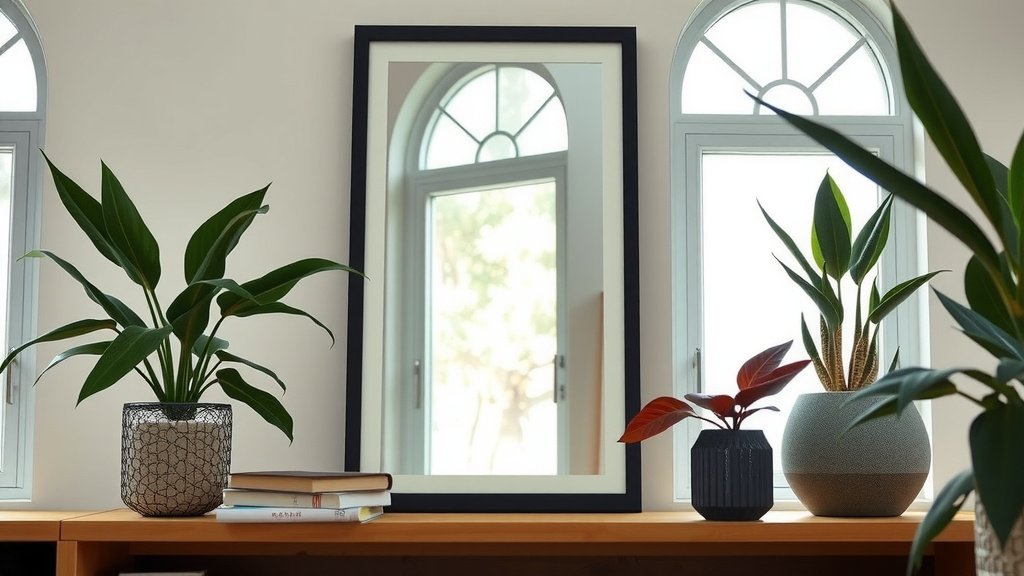
Did you know that certain houseplants can actually help clean the air you breathe? It sounds like science fiction, but it’s true! Research has shown that many common houseplants can absorb toxins from the air.
Top Air-Purifying Plants for Your Home
When picking out your green companions, some are known to be better at air purification than others. Think of them as tiny, leafy vacuum cleaners working hard for you.
- Spider Plant: These are super easy to care for and great at removing formaldehyde.
- Snake Plant (Mother-in-Law’s Tongue): Another tough plant that cleanses the air, even at night.
- Peace Lily: Beautiful and effective, it filters out several common pollutants.
- Boston Fern: Loves humidity and excels at removing formaldehyde and xylene.
- English Ivy: A classic vine that’s a champion at filtering out airborne mold.
How Plants Work Their Magic
Plants absorb harmful gases through their leaves. They also take in pollutants through their root systems in the soil. This process helps reduce things like benzene, formaldehyde, and trichloroethylene from your home.
A study by NASA even highlighted the air-purifying capabilities of many indoor plants. While you’d need a lot of plants to purify a whole house, even a few can make a noticeable difference in smaller spaces or your immediate breathing area.
Ventilation: Letting the Outside In
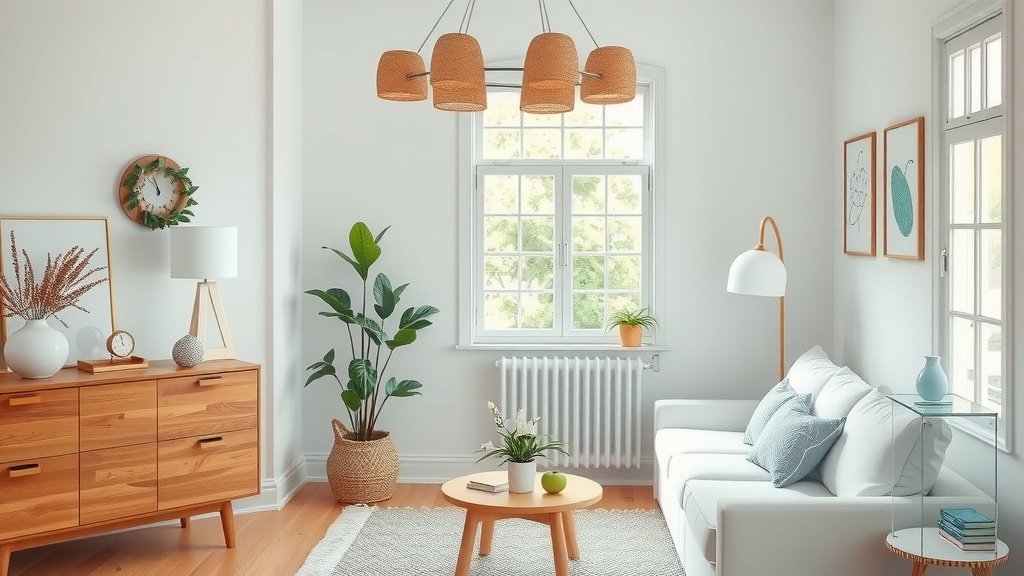
This is probably the simplest, yet most effective, way to get fresh air. Opening your windows regularly allows stale indoor air to escape and fresh outdoor air to come in. It’s like giving your home a good, deep breath!
The Importance of Air Exchange
Many indoor pollutants build up over time. Things like cooking fumes, cleaning product residues, and even just our own breath can affect air quality. Opening windows for even 10-15 minutes a day can significantly reduce these concentrations.
The Centers for Disease Control and Prevention (CDC) recommends improving ventilation to reduce the spread of airborne viruses. This advice applies just as much to general air freshness. Think of it as a natural reset button for your indoor environment.
Smart Ventilation Strategies
You don’t need to have your windows wide open all day. Consider these tips:
- Morning and Evening Airing: Open windows for a short period in the morning and evening. This is often when outdoor air quality is best.
- Cross-Ventilation: Open windows on opposite sides of your home. This creates a natural airflow that pushes old air out and pulls fresh air in.
- After Cooking or Cleaning: Always open a window after you’ve been cooking or used cleaning supplies. This helps clear out lingering fumes quickly.
Natural Air Fresheners and Odor Absorbers
Who doesn’t love a home that smells fresh and inviting? You can achieve this without resorting to chemical sprays that often just mask odors.
Harnessing the Power of Essential Oils
Essential oils, when used correctly, can provide beautiful, natural scents. They are derived from plants and can offer a range of aromas.
How to Use Them Safely:
- Diffusers: Use an ultrasonic or nebulizing diffuser with just a few drops of oil.
- DIY Sprays: Mix a few drops of essential oil with water and a splash of witch hazel in a spray bottle. Shake well before each use.
- Natural Potpourri: Add a few drops of oil to dried flowers, pinecones, or potpourri.
Popular choices include lavender for a calming scent, lemon or orange for a bright, uplifting aroma, and eucalyptus for a clean, refreshing smell. Always ensure you’re using pure, therapeutic-grade essential oils and that they are safe for use around pets and children if applicable. Some oils can be toxic to animals.
Baking Soda: The Humble Odor Absorber
Baking soda is a champion at neutralizing odors, not just covering them up. It’s a simple, inexpensive, and effective tool for keeping your home smelling neutral.
Where to Use It:
- Refrigerator: An open box can absorb smells.
- Trash Cans: Sprinkle some at the bottom.
- Carpet Deodorizer: Sprinkle generously on carpets, let sit for 15-30 minutes, then vacuum thoroughly.
- Pet Areas: Place a small, open container in areas where pets spend time.
It’s incredibly versatile. You can even mix it with a few drops of your favorite essential oil for a subtle, pleasant scent combined with odor absorption.
Cleaning Habits for Cleaner Air
Your cleaning routine plays a huge role in your home’s air quality. Dust and allergens are major contributors to poor indoor air.
Dusting Done Right
When you dust, you want to trap dust, not just move it around. Use microfiber cloths, which are excellent at capturing dust particles. Damp dusting is even better, as it prevents dust from becoming airborne.
Vacuuming for Better Air
A good vacuum cleaner with a HEPA filter can make a big difference. HEPA filters are designed to trap even tiny particles like pollen, dust mites, and pet dander. Vacuum carpets and upholstery regularly, at least once or twice a week.
Don’t Forget the Filters!
If you have an HVAC system, make sure to change your air filter regularly. A clogged filter means your system is working harder and not filtering the air as effectively. Many manufacturers recommend changing filters every 1-3 months.
Here’s a quick checklist to get you started on your natural air purification journey:
- Add at least one air-purifying plant to your living space.
- Open your windows for 10-15 minutes daily.
- Try a natural essential oil diffuser instead of chemical air fresheners.
- Place an open box of baking soda in your fridge or pantry.
- Use a microfiber cloth for dusting your surfaces.
- Vacuum floors and upholstery at least weekly.
Conclusion
You’ve learned how simple it can be to achieve fresher, cleaner air in your home without harsh chemicals. By welcoming air-purifying plants, making ventilation a habit, and using smart, natural air fresheners, you create a healthier living space. Don’t forget that regular cleaning with the right tools also plays a big part. Start small by adding just one plant or opening your windows for 10 minutes today. Your lungs will thank you for it!
Frequently Asked Questions
How many plants do I actually need to purify my air?
While a single plant won’t purify an entire home, research suggests that even a few plants can make a noticeable difference in smaller spaces. Focus on placing them in areas where you spend the most time, like your bedroom or living room, for the most benefit.
Can essential oils really clean the air, or just mask odors?
Essential oils primarily add pleasant natural scents to your home. While some have properties that may help neutralize certain airborne particles, they are not a substitute for actual air purification methods like ventilation or plants. They are best used for their aroma and to avoid synthetic fragrances.
Is opening windows enough to make a difference in air quality?
Yes, opening windows regularly for even 10-15 minutes is a highly effective way to exchange stale indoor air for fresh outdoor air. This simple act significantly reduces the buildup of indoor pollutants and improves overall air circulation.
Are there any common household items that worsen indoor air quality?
Many everyday items can contribute to poor air quality. Things like chemical cleaning supplies, air fresheners, new furniture that off-gasses, and even certain paints can release volatile organic compounds (VOCs) into your air.
How often should I change my HVAC air filter for better air?
For optimal performance, most HVAC systems recommend changing the air filter every 1 to 3 months. A clean filter ensures your system can effectively trap dust and allergens, contributing to better indoor air quality throughout your home.