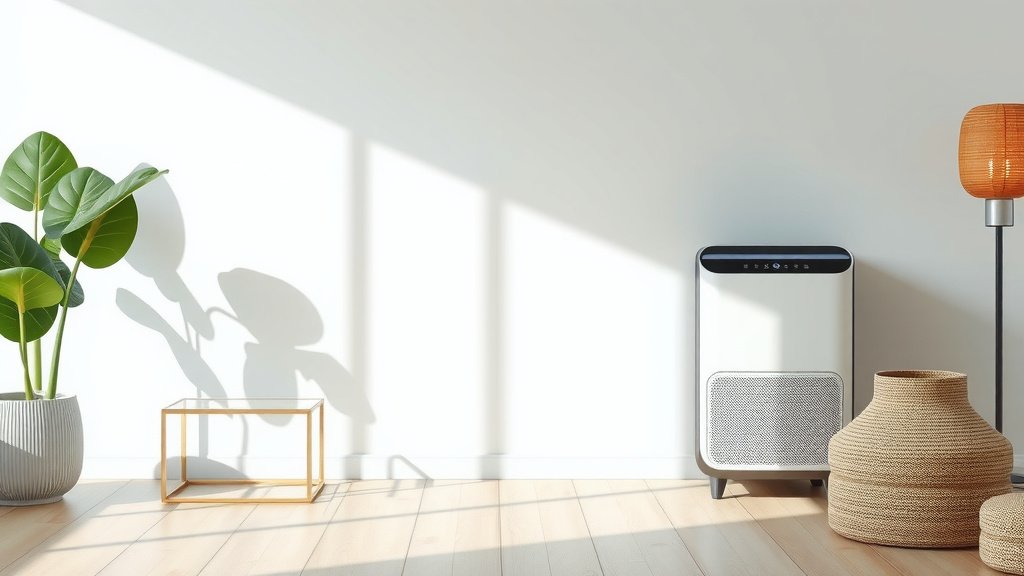
Sell Air Purifiers: A Step-by-Step Guide
Selling an air purifier involves understanding your target audience and their specific needs. You can successfully sell air purifiers by focusing on their health benefits and offering targeted solutions for common household problems like allergies or pet odors.
To make a sale, you need to highlight how an air purifier can improve indoor air quality. Think about situations where cleaner air is a major selling point, such as homes with children, elderly residents, or individuals with respiratory issues. Many studies show a direct link between air quality and well-being.
- Understand who needs cleaner air most.
- Focus on health improvements and allergy relief.
- Explain different purifier technologies simply.
- Offer solutions for specific concerns (pets, smoke).
- Build trust with honest information.
Let’s walk through how you can effectively market and sell air purifiers to interested buyers. We’ll cover the key steps to get you started.
“`htmlMarketing Your Air Purifier for Success
So, you’ve got an air purifier to sell. That’s great! You’re offering a way to breathe easier. Let’s figure out the best way to get it into the hands of people who really need it. It’s about connecting the dots between what your purifier does and what your customer wants for their home.
Think about it like this: you wouldn’t try to sell a snow shovel in July in Florida, right? You need to match the product to the need. We’ll help you find those perfect matches. Your goal is to make them see the tangible benefits right away.
Who Needs Cleaner Air the Most?
The first step is understanding your audience. Who benefits most from cleaner indoor air? Many people might not even realize they need one until they see the results. We’ve found that certain groups are particularly receptive.
Families with Young Children
Little lungs are still developing. They can be more sensitive to allergens and pollutants. Research from the Environmental Protection Agency (EPA) suggests indoor air can be two to five times more polluted than outdoor air. Cleaner air helps protect those tiny airways. It can mean fewer sniffles and better sleep for everyone.
Individuals with Allergies or Asthma
This is a huge market. Allergens like pollen, dust mites, and pet dander can wreak havoc. Asthma triggers can include mold spores and smoke. An air purifier acts like a filter, trapping these irritants. Many users report a noticeable reduction in allergy symptoms. It can truly improve their quality of life.
Pet Owners
Ah, our furry friends! They bring so much joy, but also dander and odors. Pet dander is a common allergen. Air purifiers with HEPA filters are excellent at capturing these tiny particles. Plus, they can tackle those less-than-pleasant pet smells. Your customer will thank you for a fresher-smelling home.
Elderly Residents
As people age, their respiratory systems can become more vulnerable. Just like children, older adults can benefit from cleaner air to reduce exposure to pollutants. It supports their overall health and well-being. This is a thoughtful gift for a parent or grandparent.
Anyone Concerned About Indoor Pollutants
Pollution isn’t just outside. Cooking, cleaning products, and even furniture can release VOCs (Volatile Organic Compounds). Smoke from cooking or fireplaces is another concern. Air purifiers help remove these airborne contaminants, leading to a healthier living space.
Highlighting the Key Benefits: What’s In It For Them?
Now that you know who you’re talking to, you need to speak their language. Focus on the *results* they will experience. People buy solutions, not just products.
Health and Well-being First
This is your strongest selling point. Frame the air purifier as a tool for better health. Mention how it can reduce airborne viruses and bacteria. Studies have shown that improved indoor air quality can lead to fewer sick days and better concentration. It’s an investment in their family’s health.
Allergy and Asthma Relief
For those suffering, this is a game-changer. “Imagine waking up without sneezing,” you could say. “Think about breathing freely during allergy season.” Clearly explain how the HEPA filter traps allergens. Mention its effectiveness against specific triggers like dust mites, pet dander, and pollen. Many experts agree that air filtration is a key component of managing respiratory conditions (Cleveland Clinic).
Odor Elimination
Nobody wants their home to smell like last night’s dinner or a wet dog. Air purifiers with activated carbon filters excel at absorbing odors. They don’t just mask smells; they remove them. This is particularly appealing to pet owners or those who love to cook.
Fresher, Cleaner Air Quality
Beyond specific problems, people just want their homes to feel cleaner. An air purifier contributes to that feeling of freshness. It removes dust and other particles, making rooms feel lighter and more pleasant. It’s like a deep clean for the air you breathe every day.
Peace of Mind
Knowing you’re doing something positive for your family’s health provides immense peace of mind. You can offer reassurance that they are taking a step to create a healthier home environment. This emotional benefit is powerful.
Understanding Air Purifier Technologies (Keep it Simple!)
You don’t need to be an engineer, but knowing the basics helps. When customers ask, you can explain clearly. Avoid overly technical terms. Focus on what the technology *does* for them.
HEPA Filters: The Gold Standard
Most good air purifiers use HEPA (High-Efficiency Particulate Air) filters. These are designed to capture at least 99.97% of airborne particles 0.3 microns in size. That includes dust, pollen, pet dander, and mold spores. When you see “True HEPA,” it means it meets this standard.
Activated Carbon Filters: For Odors and Gases
These filters use a porous material, like charcoal, to absorb odors, gases, and VOCs. They work hand-in-hand with HEPA filters. If someone is concerned about cooking smells, smoke, or chemical odors, highlight the carbon filter’s role.
Other Technologies (Briefly)
Some purifiers might use UV-C light to kill germs or ionizers to help particles clump together. If these features are present, mention them simply. For example, “UV-C light helps neutralize some airborne microbes.” However, be aware that some ionizers can produce ozone, which can be harmful. It’s best to stick to the proven benefits of HEPA and carbon filtration unless you can explain other technologies clearly and safely.
Tailoring Your Pitch: Match the Solution to the Problem
Once you understand their specific concern, you can tailor your message. This shows you’re listening and you have the right solution.
For the Allergy Sufferer
“Are allergies making your life miserable? This air purifier with a True HEPA filter captures 99.97% of common allergens like pollen and dust mites. You’ll notice a difference in how you breathe, especially during peak season.”
For the Pet Lover
“Love your pets but not the dander and odors? This unit has a powerful HEPA filter for dander and an activated carbon filter to neutralize those pet smells. Enjoy a fresher, cleaner home for everyone, including Fido!”
For the Health-Conscious Family
“You’re taking great care of your family’s diet and exercise. Don’t forget the air they breathe! This purifier helps remove airborne viruses and pollutants, creating a healthier indoor environment for your children and everyone at home. It’s an extra layer of protection.”
For the Smoker or Home with Smokers
“Tired of lingering smoke odors? The activated carbon filter in this air purifier is designed to absorb smoke particles and smells effectively. It helps make your home smell fresh again, not like stale smoke.”
Building Trust and Credibility
People are looking for honest advice, especially when it comes to health. Be transparent and realistic.
Be Honest About Limitations
No air purifier is a miracle cure. It’s a tool to *improve* air quality. Avoid making exaggerated claims. You can say, “While this greatly reduces airborne irritants, it’s part of a healthy home strategy that also includes regular cleaning and ventilation.”
Share Researched Information
Mentioning scientific backing adds weight. For example, “We found research suggesting that HEPA filters can significantly reduce airborne allergens in homes.” You can also point to guidelines from health organizations. “Many health bodies recommend air filtration for people with respiratory issues (CDC).”
Focus on Real-World Benefits
Instead of technical specs, talk about what a customer will *feel* and *experience*. “You’ll notice less dust settling on your furniture.” “Your bedroom will feel fresher and cleaner.” These relatable benefits sell.
Your Sales Checklist: Quick Wins
Here’s a quick rundown to keep you on track:
- Identify the main concern: Is it allergies, pets, odors, or general health?
- Match the technology: HEPA for particles, Carbon for odors.
- Focus on health benefits: Cleaner air means better well-being.
- Keep explanations simple: Avoid jargon, use everyday words.
- Be honest and realistic: Build trust with transparency.
- Emphasize peace of mind: Offer a solution for a healthier home.
Conclusion
Selling air purifiers effectively means understanding who needs cleaner air and why. You’ve learned how to identify your key audiences, from families with children to allergy sufferers and pet owners. By focusing on the tangible health benefits and tailoring your message to specific concerns like allergens or odors, you can build trust. Remember to keep explanations about technology simple and be honest about what an air purifier can do. Your next step is to practice this tailored approach, connect with potential buyers, and confidently offer them the gift of healthier indoor air.
Frequently Asked Questions
What is the best way to explain HEPA filters to a customer?
You can tell them a True HEPA filter captures at least 99.97% of tiny particles like dust, pollen, and pet dander. It’s like a super-fine sieve for the air. This is a key reason why air purifiers help so much with allergies and asthma.
How can I convince someone that an air purifier is worth the cost?
Focus on the long-term health benefits and the improved quality of life. Frame it as an investment in their family’s well-being, potentially reducing sick days and allergy medication costs. Highlighting peace of mind also helps justify the expense.
What if a customer asks about ozone-producing air purifiers?
It’s best to advise caution. While some technologies claim to purify air, ozone can be harmful to respiratory health. You can mention that you focus on proven, safe technologies like HEPA and activated carbon filters that don’t produce ozone.
Should I offer different models for different needs?
Yes, absolutely. Understanding your customer’s primary concern—allergies, pets, odors, or general air quality—allows you to recommend the best-suited model. Highlighting specific features like a stronger carbon filter for odors or a larger HEPA filter for bigger rooms makes your recommendation more powerful.
How can I address concerns about the ongoing cost of filters?
Be upfront about filter replacement frequency and cost. You can explain that regular filter changes are necessary for the unit to perform optimally. Sometimes, you can mention that purchasing a quality unit now can save money compared to dealing with frequent health issues later.