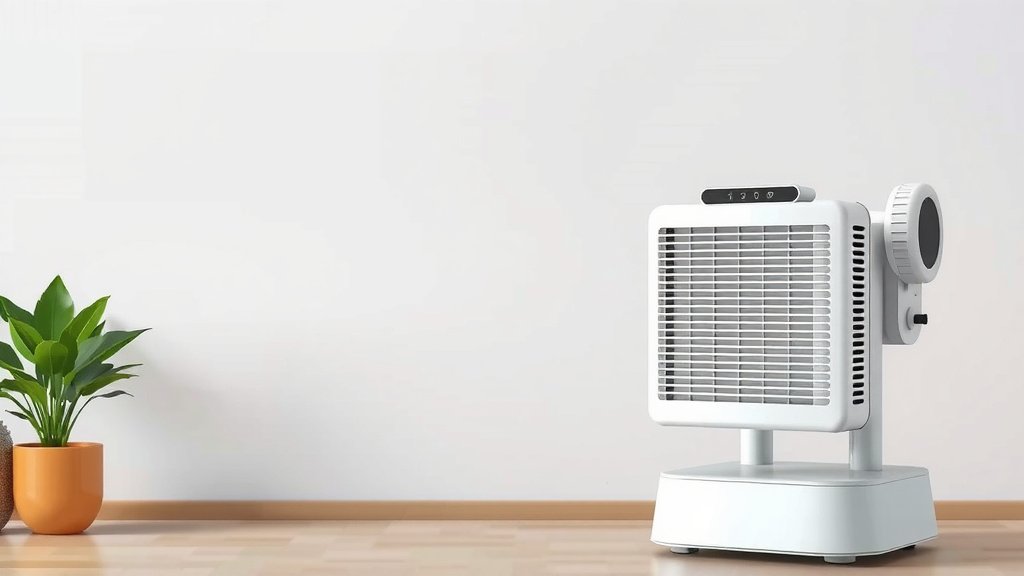
Air Purifier Ionizer Guide: How to Use It for Cleaner Air
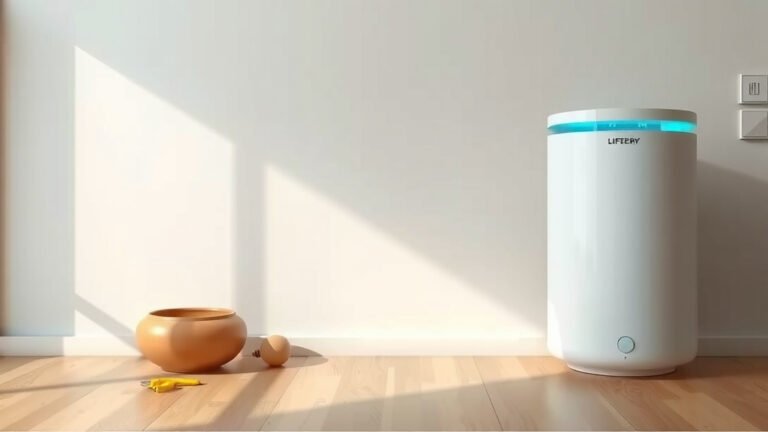
Ready to make your air cleaner? Using an air purifier ionizer is pretty straightforward. You’ll want to place it in the room you use most, like your bedroom or living room. Then, simply plug it in and turn it on. Many models have different fan speeds, so you can choose the best setting for your needs.
Ionizers work by releasing negative ions into the air. These ions attach to airborne particles like dust, pollen, and smoke. This makes those particles heavier, causing them to fall to the floor or stick to surfaces. It’s a clever way to reduce what you’re breathing in. Just remember, some people are sensitive to ionizers, so pay attention to how you feel.
- Find the right spot for your purifier.
- Plug it in and select a fan speed.
- Understand how ions help clean your air.
- Watch for any personal sensitivities.
We’ve gathered the key steps and important tips for using your air purifier ionizer effectively. Let’s walk through exactly how this works to help you breathe a little easier.
Setting Up Your Air Purifier Ionizer for Best Results
Getting your new air purifier ionizer set up is simpler than you might think. Think of it like placing a plant where it gets good sunlight; finding the right spot is key for it to do its job. You want to put it in the room where you spend the most time. This is usually your living room or your bedroom, as these are often high-traffic areas in your home. Placing it strategically helps it capture the most airborne particles where they matter most to you.
Choosing the Perfect Location
Where you place your air purifier can make a big difference. Ideally, you want to place it on the floor. This allows for better air circulation, as most particles tend to settle lower down. Avoid placing it on shelves or in tight corners. These spots can block airflow and prevent the ionizer from effectively circulating air throughout the room. Giving it at least a foot of clear space around it is a good rule of thumb. This allows the air to flow freely in and out.
Ensuring Proper Airflow
Think of your air purifier like a little fan. It needs room to breathe, so to speak. If you block the air intake or exhaust vents, it won’t be able to do its job efficiently. Many models have vents on the sides or back. Make sure these aren’t pushed up against a wall or furniture. You also don’t want to put it directly under a curtain or anything that might obstruct the airflow. This ensures the longest lifespan and best performance for your device.
Understanding Fan Speeds and Settings
Most ionizers come with several fan speed settings. These are designed to let you customize the air cleaning to your needs. A lower setting is usually quieter and uses less energy. It’s perfect for when you’re sleeping or when the air quality is already pretty good. If you’ve just cooked something smoky or opened the windows on a dusty day, you might want to bump it up to a higher speed. This will clean the air more quickly. Many people find a medium setting to be a good balance for everyday use.
How Ionizers Actually Clean Your Air
It’s interesting to understand the science behind how these machines work. Ionizers don’t use filters in the traditional sense like some other air purifiers. Instead, they use a process that can be quite effective for certain types of pollutants.
The Science of Negative Ions
Your air purifier ionizer works by releasing tiny charged particles called negative ions into the air. These ions then go searching for positively charged particles. Think of it like tiny magnets seeking their opposite. These positively charged particles include things like dust, pollen, mold spores, and even smoke particles. When the negative ions attach themselves to these airborne irritants, they give them a negative charge.
What Happens to the Charged Particles?
Once these particles have a negative charge, they tend to clump together. This clumping makes them heavier. Because they are heavier, they are more likely to fall out of the air. They might settle on your floors or furniture. Some might even stick to the walls. This removes them from the air you breathe. It’s a clever way to reduce airborne allergens and pollutants. This process can make a noticeable difference in the air quality you experience.
Are There Any Downsides to Ionizers?
While ionizers are helpful, there are a couple of things to be aware of. Some ionizers can produce a small amount of ozone. Ozone, at high levels, can be irritating to the lungs. However, most modern units are designed to produce very little ozone, well within safety guidelines set by organizations like the EPA. You can check your model’s specifications for its ozone output. Also, some people find they are sensitive to the air from ionizers, so it’s always good to see how you feel after using yours.
Maintaining Your Ionizer for Peak Performance
Just like any appliance, your air purifier ionizer will work best if you give it a little attention now and then. Regular maintenance ensures it keeps cleaning your air effectively for a long time. Giving your air purifier ionizer a little attention now and then is key for maintenance.
Cleaning the Ionizer Emitter
The part of your ionizer that releases the negative ions needs to be kept clean. This is often a set of metal needles or plates. Over time, dust and particles can build up on these emitters. This build-up can interfere with their ability to release ions. Most manufacturers recommend cleaning these emitters periodically. You can usually do this with a soft, dry cloth. Some might suggest a slightly damp cloth, but always check your manual first to avoid damaging the unit. A gentle dusting every few weeks is often enough.
Cleaning the Collection Plates (If Applicable)
Some ionizer models have collection plates. These plates are designed to attract the now-charged particles, sort of like a very gentle magnet. If your unit has these, they will also need cleaning. They can become coated with the dust and debris they’ve captured. You can usually remove these plates and wash them. Again, refer to your user manual for the best way to do this. Make sure they are completely dry before putting them back into the purifier. This prevents any electrical issues.
Checking for Ozone Production
As mentioned, some ionizers can produce trace amounts of ozone. If you notice a faint smell like after a thunderstorm, or if you or someone in your household experiences any respiratory irritation, it’s a good idea to check the ozone output. Many newer models are certified as low or no-ozone producers. If you’re concerned, look for units that have this certification. Always ensure good ventilation in the room where the purifier is operating, especially if you are sensitive.
Simple Maintenance Checklist
- Unplug the unit before cleaning.
- Dust the ionizer emitters gently with a dry cloth.
- Clean collection plates according to your manual.
- Ensure all parts are completely dry before reassembly.
- Monitor for any unusual smells or sensitivities.
When to Consider Other Air Purification Methods
While ionizers are a great tool for many, they aren’t the only solution for cleaner air. Sometimes, combining methods or choosing a different type of purifier might be best for your specific needs.
Understanding Different Air Purifier Technologies
Air purification is a broad field. Ionizers are one type, but others exist. HEPA filters are very common. They are designed to capture tiny particles like pollen, pet dander, and dust mites. Activated carbon filters are excellent at absorbing odors and gases, like those from cooking or chemicals. Some purifiers combine these technologies, offering a multi-stage approach to cleaning your air.
When an Ionizer Might Not Be Enough
If your primary concern is odors, VOCs (volatile organic compounds), or very fine smoke particles, an ionizer alone might not be the most effective. Activated carbon filters are generally better at tackling these issues. Similarly, if you have severe allergies and need to capture the absolute smallest particles, a true HEPA filter purifier might be a better choice. Many experts suggest that a combination of HEPA filtration and activated carbon is often ideal for a wide range of air quality concerns (American Lung Association).
Using Multiple Air Cleaning Strategies
Don’t be afraid to mix and match! You might use your ionizer in your bedroom for general particle reduction and have a separate purifier with a carbon filter in your kitchen for cooking smells. Or, you could invest in a unit that combines ionizer technology with HEPA and carbon filters. This gives you the benefits of multiple purification methods in one device. Always consider what pollutants you are most concerned about. This will guide you to the best solution for your home.
Conclusion
You’ve learned how to make the most of your air purifier ionizer! Remember to find that sweet spot in your main living area for best airflow. Understanding the science of negative ions helps you appreciate how they reduce airborne particles. Regular, simple maintenance like dusting emitters keeps your device working efficiently. While ionizers are great, consider other technologies like HEPA or carbon filters for specific needs. By following these steps, you’re well on your way to enjoying cleaner, fresher air in your home. Now, go ahead and optimize your air purifier for a healthier breathing environment!
Frequently Asked Questions
Can I run my air purifier ionizer all the time?
Yes, you can generally run your air purifier ionizer continuously, especially in rooms you use often. Many models are designed for 24/7 operation. Just ensure you follow the manufacturer’s recommendations for maintenance and air circulation.
How often should I clean my air purifier ionizer?
You should aim to clean the ionizer emitters and any collection plates every 2-4 weeks, or as your manual suggests. Dust buildup can hinder performance. Unplugging the unit and using a dry cloth for emitters is typically the safest approach.
Will my air purifier ionizer make my room smell like ozone?
Modern ionizers are designed to produce very minimal ozone, usually well within safety standards. If you notice a strong ozone smell, it might indicate a faulty unit or high ozone output. Check your model’s specifications and ensure good room ventilation.
Can I use an ionizer if I have pets?
Yes, air purifier ionizers can help reduce pet dander and other allergens in the air. However, if pet odors are a major concern, you might find a unit with an activated carbon filter more effective in addition to or instead of an ionizer.
Where is the best place to put an air purifier ionizer in a small apartment?
In a small apartment, place your ionizer in the room where you spend the most time, like your living room or bedroom. Ensure it has at least a foot of clear space around it for optimal air circulation, avoiding corners or tight spaces.
![5 Best Air Purifier for Cats With Asthma [In 2026]](https://homeunderstandable.com/wp-content/uploads/2025/06/best-air-purifier-for-cats-with-asthma-top-picks-for-allergy-relief-768x512.jpg)
![What Is The Best Air Purifier for Gurgaon [In 2026]](https://homeunderstandable.com/wp-content/uploads/2025/04/best-air-purifier-for-gurgaon.jpg)