
How Ozone Air Purifiers Work: A Simple Explanation
Ozone air purifiers work by releasing ozone gas into your air. This gas is an unstable molecule. It reacts with and breaks down pollutants. Ozone can help neutralize odors and kill germs. But, it’s important to know ozone can also be harmful to your health. We’ll explain how they work and the potential risks.
Many people wonder if these devices are safe. Ozone air purifiers generate ozone through two main methods. One uses a corona discharge. The other uses ultraviolet (UV) light. Both methods create ozone molecules that then go to work. Research shows high levels of ozone can irritate your lungs. We’ll help you understand the balance.
- Ozone purifiers release ozone gas.
- Ozone breaks down pollutants and odors.
- They use corona discharge or UV light.
- High ozone levels can be unhealthy.
- Understanding the risks is key.
Let’s walk through exactly how ozone air purifiers do their thing. We’ll look at the science behind them. We will also discuss how to use them safely.
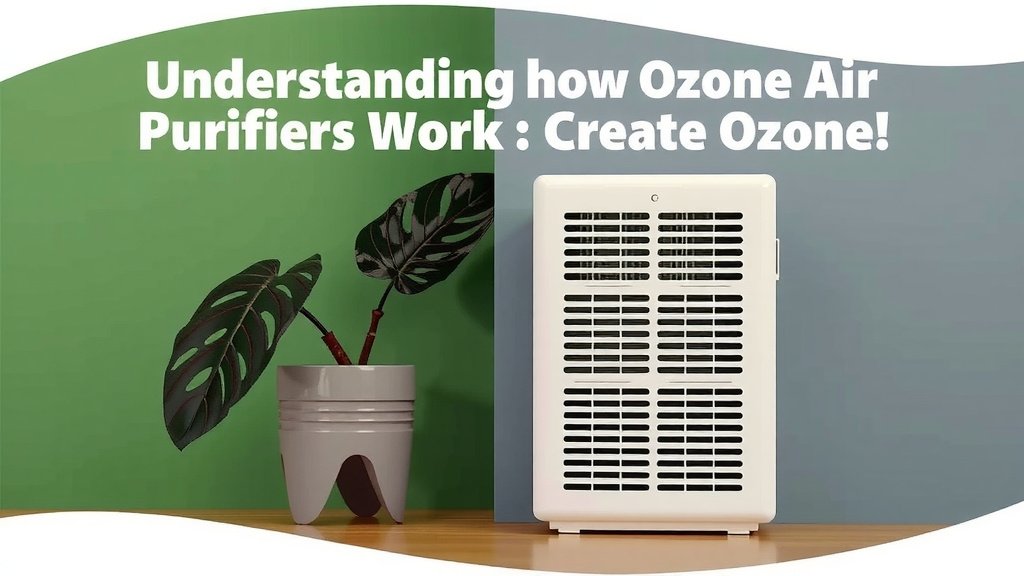
Understanding How Ozone Air Purifiers Create Ozone
Ozone air purifiers work by releasing ozone, a gas that can interact with pollutants. They create this ozone using a couple of main methods. You might be curious about what these methods actually do.
Corona Discharge: The Zapping Method
One common way to make ozone is called corona discharge. It’s a bit like lightning. Electricity jumps across a gap. This electrical spark splits oxygen molecules (O2) in the air. Some of these split oxygen atoms then join up with other O2 molecules. This forms ozone (O3).
Think of it like breaking apart LEGO bricks and then rebuilding them differently. The electricity acts like your hands. It breaks the O2 bricks. Then, some O atoms and O2 molecules stick together to build O3. This is a very common method used in many ozone generators.
Ultraviolet (UV) Light: The Light Approach
Another method uses ultraviolet (UV) light. Special UV lamps emit a specific wavelength of light. This light energy is strong enough to break apart oxygen molecules (O2). Similar to corona discharge, the freed oxygen atoms can then combine with other O2 molecules to create ozone (O3).
This process is also seen in nature. The Earth’s upper atmosphere uses UV radiation from the sun to create the ozone layer. It’s a natural way to form ozone. However, in air purifiers, the UV lamps are engineered to produce ozone in a controlled way.
How Ozone Interacts With Pollutants
Once ozone is created, it’s released into the air. What happens next? Ozone is a highly reactive molecule. This means it readily seeks out and reacts with other molecules. This is how it attempts to clean your air.
Oxidation: The Chemical Reaction
Ozone works through a process called oxidation. It essentially “steals” an atom from other molecules it comes into contact with. When ozone encounters pollutants like odors, bacteria, or viruses, it oxidizes them. This chemical reaction can change the structure of the pollutant.
For example, odor molecules often have a specific chemical makeup that causes that smell. Ozone can break these molecules apart. This can neutralize the odor, making it disappear. It’s like scrambling a code to make it unreadable.
Targeting Germs and Odors
Many studies suggest ozone can be effective at killing bacteria and viruses. It damages their cell walls. This makes them unable to reproduce or survive. This is why some ozone generators are marketed for sanitizing spaces.
Similarly, ozone is known for tackling strong odors. Think of the smell of smoke or pet odors. Ozone can break down the compounds causing these smells. Many experts say this oxidative power is ozone’s main function in air purification (NIH).
The Limits of Ozone’s Power
It’s important to understand that ozone’s effectiveness can vary. It depends on the concentration of ozone and the type of pollutant. Some pollutants might be more resistant to ozone’s effects. Also, ozone is a gas. It needs to come into direct contact with the pollutant to work. If the pollutant is trapped deep inside furniture, ozone might not reach it.
Safety Concerns and Health Risks of Ozone
While ozone can break down pollutants, it’s not without risks. Breathing in ozone can be harmful to your health. Health organizations like the EPA have issued warnings about ozone exposure.
Respiratory Irritation
One of the primary concerns is lung irritation. When you breathe in ozone, it can irritate and inflame the lining of your lungs. This can cause symptoms like coughing, shortness of breath, and chest pain.
Research shows that even low levels of ozone can aggravate respiratory conditions. This includes asthma and bronchitis. People with these conditions are especially vulnerable. They might experience worsened symptoms when ozone levels are high (CDC).
Other Potential Health Effects
Beyond lung irritation, ozone exposure can lead to other issues. You might experience a sore throat. It can also make you more susceptible to respiratory infections. Some people report headaches or fatigue when exposed to ozone.
The long-term effects of chronic ozone exposure are not fully understood. However, repeated exposure could potentially lead to permanent lung damage. This is why using ozone generators requires caution.
Ozone vs. Other Air Purifier Technologies
It’s helpful to compare ozone purifiers to other types. For instance, HEPA filters trap particles like dust and allergens. They don’t produce any gas. Activated carbon filters absorb odors and gases.
Other technologies, like PCO (photocatalytic oxidation), also produce ozone as a byproduct. It’s essential to know how much ozone a device might release. Many experts recommend air purifiers that don’t intentionally produce ozone for occupied spaces.
When and How to Use Ozone Air Purifiers Safely
If you choose to use an ozone air purifier, understanding safe usage is critical. They are often best used in unoccupied spaces.
Unoccupied Spaces Only
The most widely recommended way to use ozone generators is when no people or pets are present. This allows the ozone to do its work without posing a health risk. After the treatment, it’s important to ventilate the area thoroughly.
Ventilation helps dissipate the ozone gas. It allows oxygen molecules to break down the excess ozone back into O2. This ensures the air is safe to breathe before anyone re-enters.
Following Manufacturer Guidelines
Always read and follow the manufacturer’s instructions for your specific ozone generator. They will often provide guidance on treatment times and ventilation requirements. Proper setup and usage are key to minimizing risks.
Understanding Concentration Levels
The danger of ozone depends on its concentration. Higher concentrations are more effective at breaking down pollutants. However, they are also more dangerous to breathe. Manufacturers should provide information about the ozone output.
Ventilation is Key After Use
Never re-enter a room immediately after an ozone treatment. Allow ample time for ventilation. Many guidelines suggest at least several hours of airing out the space. This ensures the ozone levels have dropped to a safe point.
Consider Your Needs Carefully
Think about why you need an air purifier. If your main concern is allergens and dust, a HEPA filter might be a better fit. If you’re dealing with persistent odors or need to sanitize a space, an ozone generator could be an option. But always prioritize safety.
Checklist for Safe Ozone Air Purifier Use
Before you use an ozone air purifier, consider these points:
- Always use in unoccupied areas.
- Ventilate thoroughly after treatment.
- Follow manufacturer instructions precisely.
- Understand the potential health risks.
- Consider alternative air purification methods.
- Never leave a running ozone generator unattended.
Conclusion
So, you’ve learned that ozone air purifiers work by generating ozone gas. This gas is powerful and can break down odors and kill germs through oxidation. However, this power comes with risks. Breathing ozone can irritate your lungs and worsen respiratory issues. We’ve stressed that safe use means operating these devices only in unoccupied spaces. Always ventilate thoroughly afterward. If you’re looking for everyday air cleaning, consider HEPA filters. For targeted odor or sanitization needs, ozone might be an option, but always prioritize your health and safety by using it with extreme care.
Frequently Asked Questions
Are ozone air purifiers safe for pets?
No, ozone air purifiers are generally not safe for pets. Pets are often more sensitive to ozone than humans. Their smaller lungs and closer proximity to the floor can increase their exposure risk. It’s best to remove pets from any area where an ozone generator is being used.
Can ozone air purifiers permanently damage my lungs?
While temporary lung irritation is a known risk, long-term, permanent lung damage from typical consumer ozone generator use is less clear. However, repeated exposure to high ozone concentrations is strongly advised against. Health organizations recommend avoiding breathing ozone altogether.
How long should I run an ozone generator for a room?
Running times depend heavily on the room size and the ozone generator’s output. Always follow the manufacturer’s specific instructions. Generally, it’s for a set duration, followed by significant ventilation time before re-entry.
Will an ozone air purifier get rid of smoke smell?
Yes, ozone is known to be effective at neutralizing strong odors, including smoke smells. It works by breaking down the odor-causing molecules. However, you must use it in an unoccupied space and ventilate well afterward.
Are there air purifiers that don’t produce ozone?
Absolutely. Many popular air purifiers use HEPA filters to trap particles like dust and allergens or activated carbon filters to absorb odors and gases. These types do not produce ozone and are generally considered safe for continuous use in occupied spaces.
![What Is The Best Indoor Plant for Purifying Air [In 2026]](https://homeunderstandable.com/wp-content/uploads/2025/05/best-indoor-plant-for-purifying-air.jpg)

![What Is The Best Air Purifier for Car Pollution [In 2026]](https://homeunderstandable.com/wp-content/uploads/2025/06/best-air-purifier-for-car-pollution-top-picks-for-fresh-drives.jpg)