Clean Your Front Loader Washing Machine: Easy Steps
The easiest way to clean your front-loader washing machine is to run a hot water cycle with a cleaning solution. This helps to remove mold, mildew, and odors. Keeping your machine clean ensures your clothes come out truly fresh. It’s simpler than you think!
A dirty washing machine can leave your laundry smelling musty. This is often due to leftover detergent, fabric softener, and moisture. Regularly cleaning the drum and door seal is essential for optimal performance. It also helps prevent potential machine damage over time.
- Run a hot wash cycle regularly.
- Use a dedicated washing machine cleaner.
- Wipe down the door seal and dispenser.
- Leave the door ajar between washes.
Let’s walk through exactly how to get your front-loader sparkling clean, step by step.
Keeping Your Front-Load Washer Fresh and Clean
A clean front-load washing machine means cleaner clothes and a healthier home. It’s not as difficult as you might think! We’ll guide you through the simple steps to banish odors and prevent buildup. Let’s get your machine sparkling.
Why Your Front-Loader Needs Regular Cleaning
Front-loaders are fantastic at saving water and energy. But their design can also trap moisture. This creates a breeding ground for mold, mildew, and bacteria. You might notice a musty smell on your clothes, even after washing. This smell is a sign your machine needs attention. Keeping it clean also prevents clogs and ensures it runs efficiently for longer. Many experts recommend cleaning it at least once a month (Cleveland Clinic).
Understanding the Common Culprits
What exactly causes this gunk? It’s usually a combination of things. Leftover detergent residue can build up. Fabric softener can also contribute to sticky films. Add in the constant presence of moisture, especially in the door seal and detergent dispenser, and you have the perfect recipe for funk.
Signs Your Washer Needs Cleaning
Are you experiencing any of these? A musty odor emanating from the machine or your laundry is the biggest clue. You might also see visible signs of mold or grime around the door gasket or in the detergent drawer. If your clothes aren’t coming out as clean as they used to, that’s another indicator.
Your Step-by-Step Cleaning Guide
Ready to tackle this? It’s a straightforward process. We’ll break it down into manageable steps. You’ll feel so much better knowing your washer is fresh!
Step 1: The Deep Clean Cycle
This is where the magic happens. You’ll run a hot water cycle specifically for cleaning. Think of it as a spa day for your washing machine!
Choosing Your Cleaning Agent
You have a few good options here. For most people, a dedicated washing machine cleaner is the easiest route. These are designed to break down the gunk effectively. You can find them online or at most grocery stores. Another popular and effective method is using white vinegar. You’ll need about 2 cups for this. Some people also opt for baking soda, using about half a cup. Many guidelines suggest a hot water cycle is key, regardless of the cleaner used (Mayo Clinic).
Running the Hot Cycle
Add your chosen cleaner to the empty drum. If you’re using liquid cleaner, pour it directly in. If you’re using powder, you can put it in the detergent dispenser or the drum. Then, set your washing machine to its hottest water setting. A “Clean Washer” cycle is ideal if your machine has one. If not, just select the hottest, longest cycle available. Let the machine run its full course. This hot water and cleaning agent will work together to scrub away the buildup.
Step 2: Tackle the Door Seal
This rubber gasket around the door is a prime spot for hidden mold. Don’t skip this part!
Inspection and Initial Wipe
After the cleaning cycle, pull back the rubber seal gently. You’ll likely see some discoloration or grime. Use a damp cloth to wipe away any loose debris. For tougher spots, you might need a bit more elbow grease.
Deep Cleaning the Gasket
For stubborn mold or mildew, mix a solution of equal parts water and white vinegar. Or, you can use a mild bleach solution (1 part bleach to 10 parts water). Always ensure good ventilation when using bleach. Dip a cloth or an old toothbrush into the solution. Carefully clean the inside folds of the rubber seal. Wipe it down thoroughly. Afterward, rinse the seal with a clean, damp cloth and dry it well with a separate towel.
Step 3: Clean the Detergent Dispenser
This little drawer can get pretty grimy. It’s another place where residue loves to hide.
Removing and Soaking
Most detergent drawers can be removed. Check your machine’s manual if you’re unsure how. Once removed, soak the drawer in warm, soapy water for about 15-20 minutes. This will loosen any dried-on detergent or fabric softener. Use an old toothbrush or a small brush to scrub away any remaining residue. Rinse it thoroughly and dry it completely before putting it back.
Cleaning the Cavity
Even with the drawer removed, you’ll want to clean the cavity where it sits. Use your damp cloth or an old toothbrush dipped in your cleaning solution (vinegar or bleach mixture) to scrub inside the compartment. Pay attention to any nooks and crannies. Wipe it clean with a damp cloth and dry it well.
Step 4: Don’t Forget the Exterior
While you’re at it, give the outside a quick wipe-down. A damp cloth with a little mild detergent will do the trick. This makes your machine look as clean as it smells!
Maintaining a Fresh Washing Machine: Your Checklist
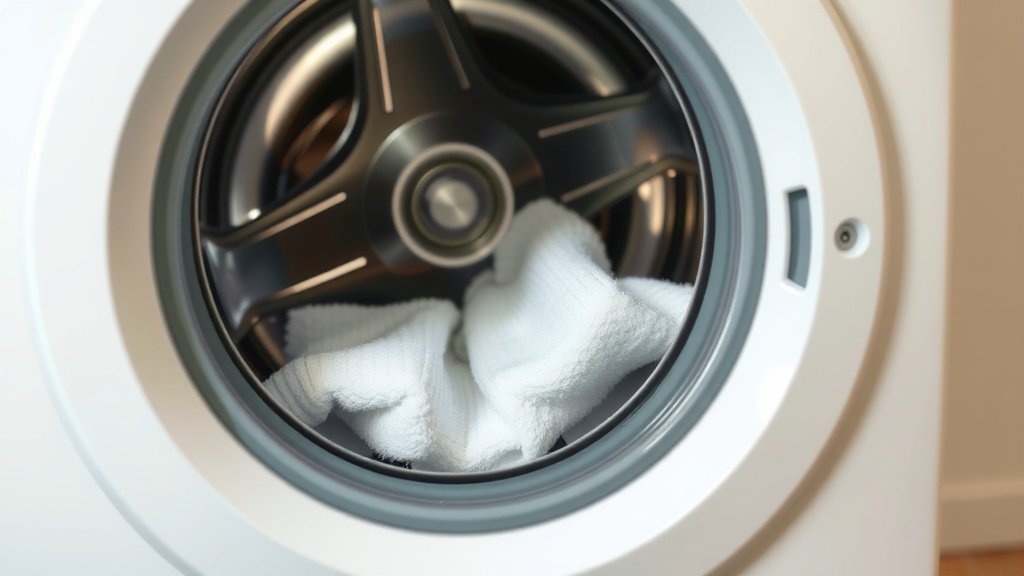
Keeping your front-loader fresh doesn’t have to be a chore. A few simple habits can make a big difference:
- Run a hot wash cycle with a cleaner once a month.
- Always wipe down the door seal after each use.
- Leave the door ajar between washes to allow air circulation.
- Remove laundry promptly after the cycle finishes.
- Check and clean the detergent dispenser periodically.
- Address any musty smells immediately.
| Indicator | Action |
|---|---|
| Musty Odor | Clean Immediately |
| Visible Grime/Mold | Clean Immediately |
| Laundry Not Smelling Fresh | Perform Deep Clean |
| Machine Age (over 6 months) | Schedule Regular Cleaning |
Conclusion
You’ve now learned how to keep your front-load washing machine fresh and odor-free. Regular cleaning isn’t just about pleasant smells; it ensures your machine performs its best and lasts longer. By following the simple steps of running hot cycles, cleaning the seal and dispenser, and maintaining good habits like leaving the door ajar, you can prevent buildup effectively. Your clothes will thank you for it! Make monthly cleaning a habit, and enjoy consistently clean laundry.
Frequently Asked Questions
How often should I clean my front-load washing machine?
Experts and manufacturers generally recommend cleaning your front-load washing machine at least once a month. This frequency helps prevent the buildup of mold, mildew, and detergent residue that can cause odors and affect cleaning performance. If you notice a musty smell, clean it immediately, regardless of the schedule.
Can I use bleach to clean my front-load washer?
Yes, you can use a diluted bleach solution (1 part bleach to 10 parts water) to clean stubborn mold and mildew, especially around the door seal. However, it’s important to ensure good ventilation when using bleach and to rinse the areas thoroughly afterward. Many people prefer using vinegar as a less harsh alternative.
What is the best way to get rid of a musty smell in my washing machine?
The most effective way to combat a musty smell is to run a hot water cycle with a dedicated washing machine cleaner or 2 cups of white vinegar. After this deep clean cycle, pay special attention to wiping down the door seal and cleaning the detergent dispenser. Leaving the door open between washes also greatly helps prevent future odors.
Is it safe to leave wet clothes in the washing machine?
It’s best to remove wet laundry from your washing machine as soon as the cycle finishes. Leaving damp clothes in the drum creates a moist environment perfect for mold and mildew growth, which can lead to unpleasant odors. Prompt removal also helps keep the interior of your machine dry and fresh.
My washing machine has a “Clean Washer” cycle. Should I use it?
Yes, if your front-load washing machine has a “Clean Washer” cycle, you should definitely use it! This cycle is specifically designed to run at the hottest temperature and often includes extra rinses to effectively clean the drum and internal components. Follow the instructions for your machine, which usually involve adding a cleaning agent directly to the drum or dispenser.
![7 Best Stackable Compact Washer Dryer [In 2026]](https://homeunderstandable.com/wp-content/uploads/2026/09/7-best-stackable-compact-washer-dryer-in-2026-featured-768x432.jpg)

![7 Best Compact Washer And Dryer Set [In 2026]](https://homeunderstandable.com/wp-content/uploads/2026/08/7-best-compact-washer-and-dryer-set-in-2026-featured-768x432.jpg)