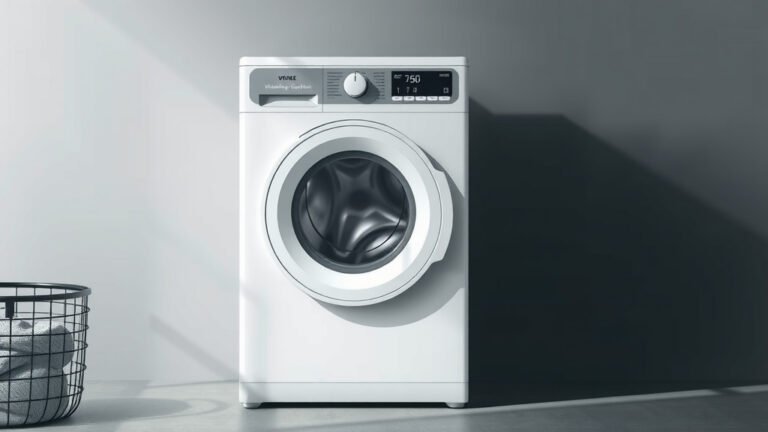
Washer Dryer Combos: What They Are & How They Work
Washer dryer combos are space-saving appliances that combine washing and drying functions into a single unit. They are a fantastic solution for smaller homes or apartments where space is limited. You get the convenience of doing laundry all in one machine, saving you time and effort.
These handy machines are designed for efficiency and convenience. Many models offer various wash and dry cycles to suit different fabric types. They can also help reduce energy consumption compared to separate units, making them a cost-effective choice for many households.
- Washer dryer combos wash and dry clothes in one unit.
- They save significant space compared to separate machines.
- Ideal for small homes, apartments, and RVs.
- Offer convenient, all-in-one laundry solutions.
We’ve done the research to help you understand these clever appliances. Let’s break down exactly how washer dryer combos work and what you need to know before you buy one.
How Do Washer Dryer Combo Units Actually Work?
It’s a clever question, and the answer is surprisingly straightforward. Washer dryer combos are essentially two appliances in one. They take up the footprint of a single machine but perform both the washing and drying functions. Think of it as a washing machine and a dryer having a baby, and that baby is super efficient with space!
You load your dirty clothes into the same drum, select your desired wash cycle, and then, with a little magic (and some engineering), it transitions to the drying phase. This means you can go from a pile of laundry to clean, dry clothes without ever moving a load. It’s a real convenience booster, especially for busy households.
The Inner Workings: Washing Mode
When you select a wash cycle, the combo unit acts just like a standard washing machine. Water fills the drum, detergent is dispensed, and the drum tumbles your clothes. The machine uses sensors to determine the appropriate water level and temperature. This part is pretty standard laundry technology that you’re likely already familiar with.
During the wash, the drum spins at various speeds to agitate the clothes and remove dirt. Once the wash cycle is complete, the machine will drain the dirty water. Then comes the spin cycle, which is crucial for removing as much excess water as possible before the drying phase begins. This high-speed spin helps reduce drying time later on.
The Transition to Drying
This is where the magic happens, and it differs slightly from a standalone dryer. Most washer dryer combos use a condenser drying system. After the wash and final spin, the machine reheats the air and blows it through the wet drum. As the air passes over your clothes, it picks up moisture.
This warm, moist air is then passed through a condenser. The condenser cools the air, causing the water vapor to condense into liquid water. This water is then collected in a reservoir or drained away through the machine’s drain hose. This process is quite different from vented dryers, which simply blow the moist air outside.
Condenser Drying Explained
So, how does this condenser tech actually work its charm? Imagine your clothes are like sponges after a wash. The dryer heats up, and this hot air helps evaporate the water from the “sponges.” The moist air then goes through a cooling process, much like how a cold glass “sweats” on a warm day. The water from the air turns back into liquid and is collected.
This method means you don’t need an external vent. This is a huge advantage for apartments, RVs, or any home where venting a dryer might be difficult or impossible. You just need a water hookup and a drain, similar to your washing machine. It’s a neat bit of engineering that makes installation much simpler.
Heat Pump Technology: A More Efficient Option
Some higher-end models employ heat pump technology for drying. This is a more energy-efficient method. Instead of just heating air and then cooling it, heat pump dryers recirculate the air, reheating it using a heat pump. This system is like a closed loop, constantly reusing the heat generated.
We found that heat pump models are generally more energy-efficient than standard condenser dryers. They also tend to be gentler on your clothes, as they often use lower temperatures. The downside is they can sometimes take a bit longer to dry clothes, and they often come with a higher price tag. Still, for long-term energy savings, they are worth considering.
Cycle Options and User Experience
When you’re using a washer dryer combo, you’ll find a familiar array of cycle options. Most machines offer settings for different fabric types, such as cotton, synthetics, delicates, and wool. You’ll also find cycles for specific needs, like a quick wash or a heavy-duty cycle.
The drying cycles can be a bit different. Some units allow you to select the dryness level, from “damp” (for ironing) to “extra dry.” Others have timed drying options. It’s important to experiment with these settings to find what works best for your laundry and the specific model you own. What works for one fabric might not be ideal for another.
Understanding “Wash and Dry” vs. Separate Cycles
A key feature of these combos is the “all-in-one” cycle. You load your clothes, select a wash and dry program, and the machine does the rest. This is incredibly convenient if you want to start a load and forget about it. However, some users prefer to run wash and dry cycles separately.
We found that running them separately can sometimes be more efficient. You might want to hang-dry certain items or use a shorter drying cycle. Separating the functions also allows you to dry a larger load than you might be able to wash and dry in one go. Many models have limitations on the load size for the combined cycle.

Load Size Considerations for Combos
This is an important point to grasp. Washer dryer combos typically have a smaller drum capacity than standalone machines. This is especially true when you consider the drying function. While a unit might hold 10 pounds for washing, it might only be able to effectively dry 5-6 pounds at a time.
Why the difference? Wet clothes take up more space and require more airflow to dry properly. Overloading the drum for a drying cycle can lead to clothes coming out damp or wrinkled. It’s essential to check the manufacturer’s specifications for both wash and dry load capacities. Sticking to these guidelines will ensure the best results and prolong the life of your appliance.
Maintenance and Care for Your Combo Unit
Just like any appliance, your washer dryer combo needs a little TLC. Regular cleaning is key to keeping it running smoothly. You’ll want to clean the detergent dispenser and the door seal regularly. These areas can harbor mold or mildew if left unchecked.
The lint filter is another critical component. Unlike standalone dryers that have a large, easily accessible lint filter, some combos have a filter that needs to be cleaned more frequently. We found that some models require cleaning the filter after every few uses. Check your manual for the specific filter location and cleaning instructions.
Dealing with Water Drainage
Since the condensed water needs to go somewhere, proper drainage is vital. If your unit is plumbed to a drain hose, ensure it’s not kinked or blocked. If your unit collects water in an internal reservoir, you’ll need to empty that regularly. Forgetting to empty the reservoir will stop the drying cycle.
Some models have a small pump filter that also needs occasional cleaning. This filter catches small items like coins or buttons before they can damage the pump. Ignoring this can lead to drainage issues and error codes. It’s a small task that can prevent big repair headaches down the line.
Key Things to Remember Before Buying
When you’re looking at washer dryer combos, keep a few things in mind. First, consider the load size. Are you doing small loads for one or two people, or larger loads for a family? Ensure the capacity meets your needs, especially for drying.
Next, think about the drying technology. Condenser is standard, but heat pump is more energy-efficient. Factor in the initial cost versus long-term running costs. Also, remember that installation is usually simpler than for separate units, but you still need proper hookups.
Finally, check the noise levels. Some combo units can be louder than standalone machines, especially during the spin cycle. Reading reviews and checking specifications can help you find a quieter model. Planning ahead will help you make a smart choice.
A Quick Checklist for Your Washer Dryer Combo Journey
- Check Load Capacity: Ensure it fits your family size.
- Review Drying Type: Condenser vs. Heat Pump – which is for you?
- Consider Installation Needs: Do you have water and drain hookups?
- Read Reviews: Look for reliability and user satisfaction.
- Factor in Noise Levels: Important for apartments or open-plan living.
- Understand Maintenance: Are you ready for regular filter cleaning?
Conclusion
You now have a solid understanding of how washer dryer combos work. These all-in-one machines are a smart choice for maximizing space and simplifying your laundry routine. We’ve seen how they wash clothes like a standard machine and then transition to a condenser or heat pump drying system without needing external vents. Remember to always check load capacities, especially for drying, and perform regular maintenance like cleaning filters and reservoirs. Ready to make laundry day a breeze? Consider how a combo unit can fit your specific living situation and laundry needs.
Frequently Asked Questions
Do washer dryer combos actually get clothes fully dry?
Yes, they do! Washer dryer combos are designed to dry clothes effectively using either condenser or heat pump technology. You can typically select a dryness level to ensure your clothes are perfectly dry for folding or ironing. Just be mindful of the load size for optimal drying performance.
Can I use regular laundry detergent in a combo unit?
You can use regular laundry detergent, but many combo units perform best with High-Efficiency (HE) detergents. These detergents produce fewer suds, which is important because excess suds can interfere with the drying process and potentially damage the machine. Always check your owner’s manual for specific detergent recommendations.
How long does a wash and dry cycle typically take in a combo unit?
A full wash and dry cycle in a combo unit can take longer than separate machines, often ranging from 3 to 8 hours, depending on the load size, fabric types, and selected cycle. This is because the unit performs both functions sequentially in the same drum. Some “quick” wash and dry cycles are available for smaller loads.
What are the main drawbacks of washer dryer combos compared to separate units?
The primary drawbacks are typically smaller load capacities, especially for drying, and longer cycle times. They also require more frequent maintenance, such as cleaning lint filters and the condenser. While space-saving, they might not be ideal for large families or those who do a high volume of laundry regularly.
Do I need a special water hookup or drain for a washer dryer combo?
No, you generally don’t need special hookups beyond what a standard washing machine requires. Washer dryer combos connect to your existing cold and hot water supply lines and use a drain hose, similar to a regular washer. The condensed water from drying is either drained away or collected in a reservoir.

![7 Best Compact Washer And Dryers [In 2026]](https://homeunderstandable.com/wp-content/uploads/2026/08/7-best-compact-washer-and-dryers-in-2026-featured-768x432.jpg)
![7 Best Stackable Washer And Ventless Dryer [In 2026]](https://homeunderstandable.com/wp-content/uploads/2026/09/7-best-stackable-washer-and-ventless-dryer-in-2026-featured-768x432.jpg)