

Front Load Washer Depth: What You Need to Know
Front load washers typically range from 27 to 30 inches in depth. This measurement usually includes the door, which adds a few inches to the unit’s overall footprint. Before buying, it’s smart to measure your laundry space carefully. You’ll need room for the door to open fully, plus space for hookups and ventilation.
Beyond just depth, you’ll want to consider the width and height of the washer. Front loaders are generally wider than top loaders. Many models also have a pedestal option to raise the machine. This can make loading and unloading much easier on your back. Always double-check the total clearance needed.
- Front loaders are usually 27-30 inches deep.
- This depth includes the door.
- Measure your space, including door swing.
- Check width and height too.
- Pedestals add height but can improve access.
So, how deep are front load washers, and what else should you know? Let’s dive into the details to help you find the perfect fit for your laundry room.
You’ve seen the sleek lines and heard about the energy efficiency. Front load washers are popular for good reason! But before you picture one in your home, let’s make sure it actually fits. Understanding the dimensions of front load washers is key to avoiding a laundry room nightmare.
Understanding Washer Dimensions for Your Space
So, you’re curious about the depth of these machines. It’s more than just a number; it’s about fitting them into your life. We found that most front load washers measure between 27 to 30 inches deep. This includes the bulge of the door, which is a pretty common design element.
This depth isn’t the only factor, of course. Your laundry space has quirks! You need to think about how much room the door needs to swing open. You also need space for water hoses, drain lines, and ventilation. A washer that’s too deep can block walkways or make it hard to reach controls. We want your laundry experience to be easy, not a puzzle.
The Depth Factor: More Than Just Inches
Let’s break down what “depth” really means for a front load washer. As mentioned, it’s typically the measurement from the very back of the machine to the furthest point on the front. This usually means the glass door or the control panel. It’s the total space the machine occupies when viewed from the side.
We’ve seen many people get caught out by this. They measure the cabinet size, forgetting the door sticks out. This extra few inches can be the difference between a perfect fit and a machine that crowds your room. So, always remember to account for that door protrusion. It’s a small detail that makes a big difference.
Depth Variations by Brand and Model
Are all front loaders the same depth? Not exactly. While the 27-30 inch range is standard, you might find slight variations. Some compact models, often found in apartments or smaller homes, might be a bit shallower. On the flip side, extra-large capacity models can sometimes push the upper limit of that 30-inch mark.
We found that manufacturers aim for a fairly consistent design. This helps with standardization in laundry rooms. However, it’s always wise to check the specific model’s specifications. Online product pages and user manuals are your best friends here. They’ll give you the exact measurements you need.
Compact vs. Standard Capacity Depth
If you’re working with a really tight space, you might be looking at compact models. These are often designed to be narrower and sometimes less deep. A compact front loader might measure closer to 25-27 inches in depth. This can be a lifesaver in a small closet or alcove.
Standard capacity machines, the ones you see most often, tend to stick to that 27-30 inch range. They offer more room for larger loads, which is great if you have a big family or just hate doing laundry every day. Remember, bigger capacity often means a slightly larger footprint all around.
What About the Door Swing?
This is a big one! The depth measurement usually stops at the front of the door. But that door needs to open, right? And not just a little crack. You need enough space for it to swing open fully. This is especially important if your washer is tucked into a corner or a tight alcove.
We recommend adding at least 10-12 inches to the washer’s depth to account for the door swing clearance. This is a general guideline, as door sizes vary. Some doors open wider than others. Measure your intended spot and then physically mark out where the door would open. You don’t want to be playing Tetris with your laundry baskets!
Beyond Depth: Width and Height Considerations
While depth is a primary concern, you can’t forget width and height. Front load washers are generally wider than traditional top-loaders. Most standard models are around 27 inches wide. This is a pretty consistent measurement across brands.
Height is also important, especially if you’re stacking your washer and dryer or placing it under a shelf. Standard heights are usually around 39-40 inches. But this can change if you add a pedestal.
The Role of Pedestals
Ah, pedestals! These are those handy drawers that sit beneath your washer or dryer. They serve two main purposes: storage and ergonomics. Raising the machine makes it much easier to load and unload laundry. You won’t have to bend over as far. Many users find this a welcome relief for their backs.
However, adding a pedestal will increase the overall height of your unit. Pedestals typically add about 10-15 inches to the height. So, if your washer is 40 inches tall, adding a pedestal can bring it up to 50-55 inches. Always measure the total stacked height if you plan to use one.
Measuring Your Laundry Space: A Quick Checklist
Let’s get practical. Before you buy, grab that tape measure and follow these steps:
- Measure the width of your laundry space.
- Measure the height from floor to any overhead cabinets or shelves.
- Measure the depth of your space.
- Measure the depth needed for the door to open fully (add this to the washer’s depth).
- Check for nearby obstructions like pipes, vents, or light switches.
- Factor in space for hoses and ventilation at the back.
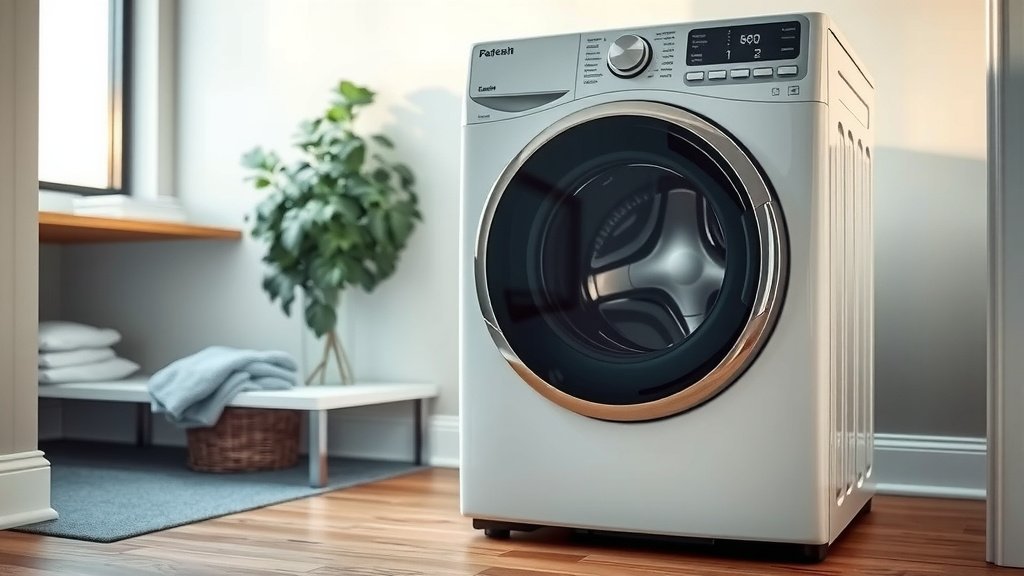
Space for Connections and Airflow
Don’t forget the back of the machine! Your washer needs connections for water and drainage. There’s also a power cord. Most manufacturers recommend leaving at least 4-6 inches of space behind the washer. This is for these hookups and to allow for proper airflow.
Good airflow is essential for preventing overheating and ensuring efficient operation. A tightly packed laundry room can actually shorten your washer’s lifespan. So, while you want to maximize space, don’t cram your washer in like a sardine. Give it a little breathing room!
Putting It All Together: Total Clearance
So, when we talk about how deep a front load washer is, it’s really about the total clearance required. You need the machine’s depth, plus the door swing, plus the space at the back for connections and ventilation. Some people even add a little extra wiggle room just in case.
We found that a common recommendation is to have at least 36 inches of clear space for a standard front load washer installation. This allows for the machine itself (around 30 inches), the door swing (10-12 inches), and adequate clearance at the back. It sounds like a lot, but it ensures a smooth and hassle-free laundry experience. Remember, measuring twice saves frustration once!
| Dimension | Typical Range | Notes |
|---|---|---|
| Depth (including door) | 27 – 30 inches | Door protrusion adds a few inches. |
| Width | 27 inches | Standard for most models. |
| Height (without pedestal) | 39 – 40 inches | Check specific model for variations. |
| Height (with pedestal) | 50 – 55 inches | Pedestals add approximately 10-15 inches. |
| Required Door Swing Clearance | 10 – 12 inches | Adds to the machine’s depth for opening. |
| Required Rear Clearance | 4 – 6 inches | For water hoses, drain, and ventilation. |
Conclusion
So, you’ve learned that front load washer depth typically falls between 27 and 30 inches, but that’s just the start. Remember to factor in the door swing and the space needed at the back for hoses and airflow. We found that a little extra room makes a big difference for functionality and machine longevity. Before you commit, always measure your laundry space thoroughly and check the specific dimensions of any model you’re considering. Your next step is to grab your tape measure and confirm that your chosen washer will fit comfortably!
Frequently Asked Questions
Do I need extra space behind a front load washer?
Yes, you do. Most manufacturers recommend leaving 4 to 6 inches of space behind the unit. This is essential for connecting water hoses, the drain line, and ensuring proper airflow to prevent overheating.
How much space does the door need to open?
You should plan for about 10 to 12 inches of clearance for the door to swing open fully. This measurement is in addition to the washer’s physical depth. It prevents the door from hitting walls or other obstacles.
Are compact front load washers less deep?
Generally, yes. Compact models are often designed for smaller spaces and can be shallower, sometimes around 25 to 27 inches deep. Standard capacity machines stick closer to the 27-30 inch range.
Does the depth measurement include the control panel?
The depth measurement usually extends to the furthest point on the front, which is typically the glass door or the control panel. It represents the total space the machine occupies from front to back.
What’s the total clearance needed for a front load washer installation?
We found that a good rule of thumb is to have at least 36 inches of clear space. This accounts for the washer’s depth, the door swing, and the required space at the back for connections and ventilation.
![7 Best Washing Powder Or Liquid For Front Loader [In 2026]](https://homeunderstandable.com/wp-content/uploads/2026/09/7-best-washing-powder-or-liquid-for-front-loader-in-2026-featured-768x432.jpg)
![7 Best Deals On Washer Dryer [In 2026]](https://homeunderstandable.com/wp-content/uploads/2026/09/7-best-deals-on-washer-dryer-in-2026-featured-768x432.jpg)