
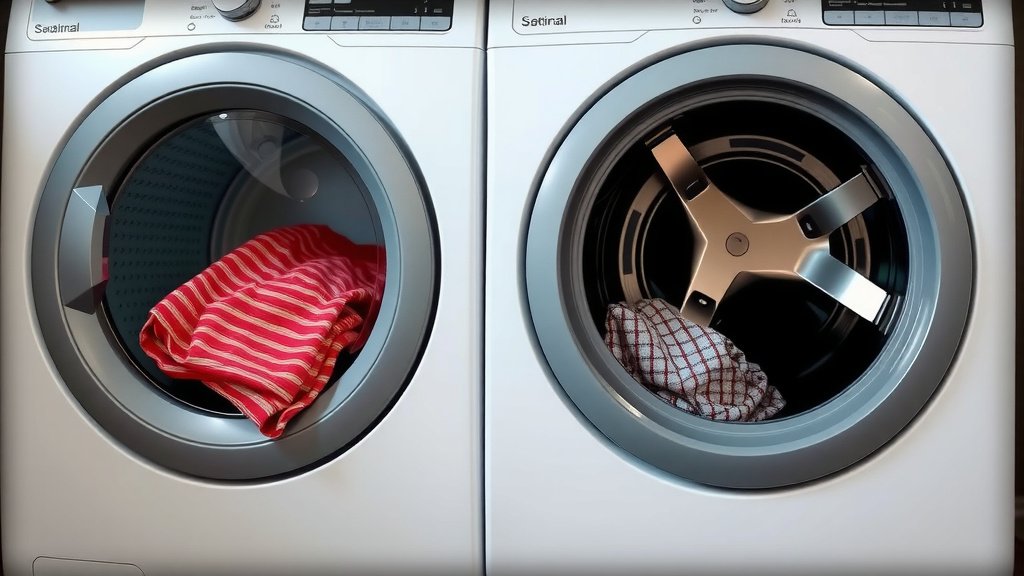
Front Load Washers: How They Deep Clean Your Clothes
Front load washers clean clothes by using a tumbling action that lifts clothes and drops them into the water and detergent mixture. This gentle, gravity-powered action is surprisingly effective at removing dirt and stains. They use less water than traditional top-loaders, making them more efficient.
Unlike older machines, front loaders don’t have an agitator in the middle. Instead, the drum spins horizontally. This allows for a more thorough wash cycle. Many newer models also offer advanced features for better stain removal and fabric care.
- Front loaders tumble clothes to wash them.
- They use less water than old-style machines.
- Gravity helps lift and drop clothes for cleaning.
- No agitator means gentler washing.
- Drums spin horizontally for effective cleaning.
Let’s walk through exactly how your front load washer gets your laundry sparkling clean.
How Your Front Load Washer Achieves a Powerful Clean
You might be wondering how that sleek front load washer gets your clothes so clean without an agitator. It’s all about a clever combination of physics and smart design. Unlike older top-loaders that rely on a central post to twist and churn your clothes, front loaders use a more gentle yet effective method. They leverage gravity and a unique tumbling action to scrub your fabrics. This method is not only efficient but also kinder to your garments.
The magic happens inside the drum. Your front load washer’s drum is oriented horizontally. This means that as the drum spins, your clothes are lifted up and then dropped back down into the water and detergent. Think of it like a gentle massage for your laundry. This consistent dropping action creates friction between the clothes themselves and between the clothes and the drum. This friction is key to loosening dirt and grime.
The Tumbling Action Explained
The primary cleaning mechanism in your front load washer is the tumbling action. The machine rotates the drum, lifting your clothes from the bottom. As the drum turns, gravity pulls the clothes back down. This repeated lifting and dropping is what works the dirt out. It’s a dynamic process that ensures all parts of your laundry get exposed to the cleaning solution and the scrubbing action. Many experts compare this to how washing machines were originally designed, before the era of the central agitator (Good Housekeeping Institute).
This tumbling isn’t just a random spin. The machine controls the speed and direction of the rotation to optimize the cleaning. Certain cycles will have faster spins to create more impact, while others will use slower, gentler tumbles for delicate items. This controlled movement is crucial for both effective cleaning and preventing damage to your fabrics. It’s a carefully engineered process designed to get the best results.
Gravity’s Role in Cleaning
You might not think of gravity as a cleaning tool, but it plays a vital role here. As your clothes are lifted towards the top of the rotating drum, gravity naturally pulls them back down. This downward motion causes them to fall through the water and detergent mixture. This falling action is surprisingly powerful. It helps to dislodge dirt particles from the fabric fibers. It’s like a natural, repeated pounding action that doesn’t stress the materials.
Friction: The Silent Workhorse
The tumbling action also creates friction. When clothes rub against each other and against the drum, it helps to scrub away embedded dirt. This is similar to how you might rub a stubborn stain with your hands. The difference is that the machine does it consistently and with great force over time. This friction is a key component in breaking down tough grime. Research shows that the mechanical action of washing is as important as the detergent itself for soil removal (American Cleaning Institute).
Water and Detergent: The Cleaning Solution
While the tumbling action does the heavy lifting, water and detergent are the essential cleaning agents. Front loaders are designed to use significantly less water than traditional top-loading machines. This is a major advantage for efficiency. The tumbling action works effectively with a smaller amount of water. The clothes are lifted and then dropped into a shallow pool of water at the bottom of the drum.
The detergent is mixed with this water to create a powerful cleaning solution. As the clothes tumble through this mixture, the detergent works to break down oils, grease, and stains. High-efficiency (HE) detergents are recommended for front load washers. These detergents produce fewer suds. Too many suds can actually hinder the cleaning process and leave residue on your clothes. Using the correct detergent is key to optimal performance.
The Low-Water Advantage
One of the defining features of front load washers is their water efficiency. They typically use about 10 to 20 gallons of water per load. This is substantially less than older top-loading models, which can use up to 40 gallons. This water saving is good for the environment and your utility bills. The machines are engineered to maximize the cleaning power of every drop of water. They achieve this through the efficient tumbling action and a more concentrated wash solution.
Detergent Distribution and Action
The way detergent is introduced and used is also important. Most front loaders have a dispenser drawer where you add detergent, fabric softener, and bleach. The machine releases these at the appropriate time during the cycle. Water then flows through the drawer, mixing with the detergent before entering the drum. This ensures the detergent is evenly distributed. It allows it to start working on the clothes right away. The mechanical action then drives the detergent into the fabric.
Advanced Features for Superior Cleaning
Modern front load washers often come with a variety of advanced features. These are designed to tackle specific cleaning challenges and provide better fabric care. You’ll find cycles tailored for everything from heavily soiled work clothes to delicate silks. Many machines also have internal water heaters or steam functions.
These technologies help to boost cleaning power. Steam, for instance, can help to loosen stubborn stains and sanitize fabrics. Some washers offer specialized stain removal options. You can often select a specific type of stain (like wine or grass) and the machine will adjust the wash time, temperature, and agitation to target it effectively. These smart features mean you can get a truly customized clean for every load.
Steam and Sanitize Cycles
The use of steam is a relatively new innovation in laundry. Steam cycles use hot vapor to penetrate fabric fibers. This helps to lift dirt and kill bacteria. Many people find steam cycles particularly useful for refreshing clothes that aren’t heavily soiled or for sanitizing items like bedding and towels. Some guidelines suggest that steam can reach temperatures high enough to kill common household germs (CDC guidelines on laundry). This adds an extra layer of clean.
Specialty Cycles and Options
Beyond basic cycles, you’ll find options like “Quick Wash,” “Heavy Duty,” “Delicates,” and “Allergen.” Each is programmed to provide the optimal balance of water, temperature, spin speed, and wash time for different needs. For example, a “Heavy Duty” cycle might use more water and a longer wash time. A “Delicates” cycle will use cooler water and a very gentle tumble. This customization ensures your clothes are cleaned effectively without being damaged. It takes the guesswork out of laundry.
The Difference from Top Loaders
It’s helpful to understand how this tumbling action differs from older top-loading machines. Traditional top-loaders use a central agitator or an impeller to move clothes. The agitator is a tall, finned post that twists back and forth. The impeller is a low-profile disc that spins. Both of these methods create a more forceful, aggressive washing action. While effective for some tough jobs, they can also be harder on fabrics. They can cause more wear and tear over time.
Front loaders, by contrast, offer a gentler approach. The tumbling motion is less abrasive. This is why they are often recommended for people who want to preserve the life of their clothing. Additionally, the lack of a central agitator means you can often fit more items into the drum. This can lead to larger loads and fewer wash cycles overall. It’s a win-win for your clothes and your laundry routine.
Here’s a quick recap of the key cleaning components:
- Tumbling Action: Clothes are lifted and dropped repeatedly.
- Gravity: Helps clothes fall through water.
- Friction: Rubbing between clothes loosens dirt.
- Water Efficiency: Uses less water effectively.
- Detergent: Breaks down stains and grime.
- Specialty Cycles: Tailored cleaning for different needs.
Conclusion
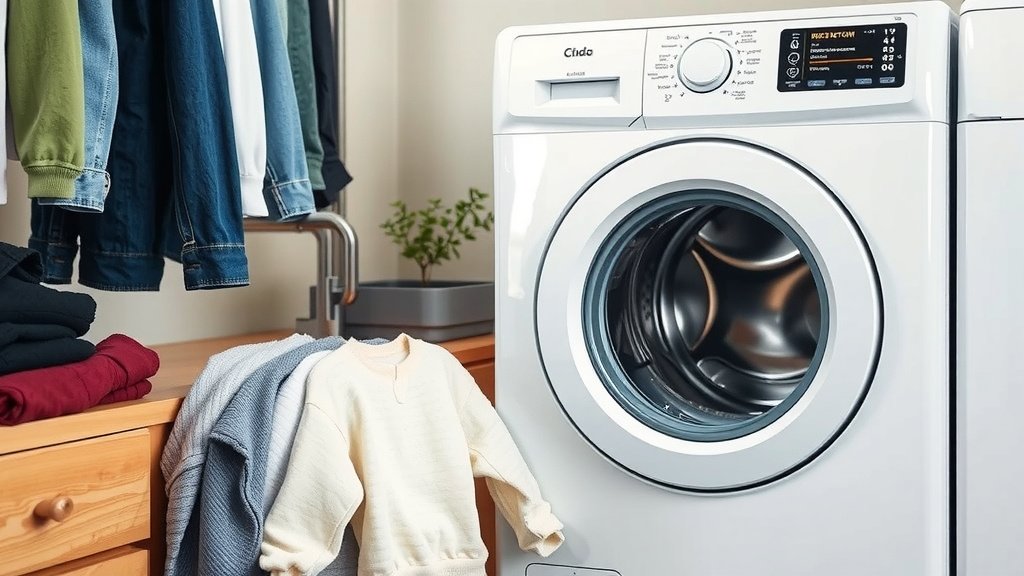
You now know that your front load washer cleans clothes through a clever combination of physics and smart design. The tumbling action, powered by gravity, gently lifts and drops your laundry. This motion creates friction, working dirt loose while using significantly less water than older machines. Coupled with the right HE detergent and specialized cycles, your front loader offers a powerful yet fabric-friendly clean. To get the most from your machine, always use HE detergent and select the cycle best suited for your load to keep your clothes looking their best.
Frequently Asked Questions
Why do front load washers seem to use so little water?
Front load washers are designed for water efficiency. They use a tumbling action to lift clothes and drop them into a smaller amount of water at the bottom of the drum. This concentrates the detergent and cleaning power, achieving a thorough clean with less water than traditional machines.
Can a front load washer actually sanitize clothes?
Yes, many front load washers have steam or sanitize cycles. These use hot vapor to penetrate fabrics, which can kill bacteria and allergens. This extra step offers a deeper clean, especially for items like bedding and towels.
Is the tumbling action harsh on my clothes?
Actually, the tumbling action is generally gentler on clothes than the agitator in older top-loaders. By lifting and dropping, it avoids the harsh twisting and pulling that can cause wear and tear. This makes front loaders a good choice for preserving the life of your garments.
What’s the importance of using HE detergent in my front loader?
It’s vital to use High-Efficiency (HE) detergent because front load washers use less water. Regular detergents create too many suds in this low-water environment. Excessive suds can hinder the cleaning process and leave residue on your clothes and inside the machine.
How does the horizontal drum help clean clothes?
The horizontal drum is key to the tumbling action. As it spins, clothes are lifted and then fall back down due to gravity. This repeated motion ensures all sides of your laundry are exposed to the water and detergent, creating friction that loosens dirt effectively.
![7 Best Home Washing Machines [In 2026]](https://homeunderstandable.com/wp-content/uploads/2026/08/7-best-home-washing-machines-in-2026-featured-768x432.jpg)
![7 Best Top Loading Washer And Dryer Set [In 2026]](https://homeunderstandable.com/wp-content/uploads/2026/09/7-best-top-loading-washer-and-dryer-set-in-2026-featured-768x432.jpg)
![7 Best Size Washer And Dryer [In 2026]](https://homeunderstandable.com/wp-content/uploads/2026/08/7-best-size-washer-and-dryer-in-2026-featured-768x432.jpg)

![7 Best Top Load Impeller Washer [In 2026]](https://homeunderstandable.com/wp-content/uploads/2026/08/7-best-top-load-impeller-washer-in-2026-featured-768x432.jpg)