Front Load Washer Depth Explained: What to Expect
So, you’re wondering just how deep a front load washer is? Generally, a standard front load washing machine measures around 28 to 34 inches in depth. This measurement is important for ensuring it fits snugly in your laundry space without sticking out too far into the room.
When we talk about depth, it usually includes the door and any hoses or connections at the back. Understanding these dimensions helps you plan your laundry room layout effectively. You want enough space for the door to open fully and for easy access to the controls and detergent drawer.
- Front load washers are typically 28-34 inches deep.
- Depth includes the door and any back attachments.
- Proper depth measurement ensures your machine fits well.
- Consider door swing space in your planning.
- This helps avoid laundry room clutter.
Let’s get into the details so you can choose the perfect front load washer for your home.
Understanding Your Front Load Washer’s Depth
When you’re looking at installing a new front load washer, you’ve likely thought about its width and height. But what about its depth? This measurement is surprisingly important. It affects how the machine fits in your laundry space. It also impacts how much room you have to load and unload laundry. Let’s dive into what “depth” really means for these machines.
What’s Included in the Depth Measurement?
The depth of a front load washer isn’t just the main cabinet. It typically includes the door and any parts sticking out at the back. These can be water hoses or electrical connections. Manufacturers usually list the deepest point. Always check the specs to be sure. This ensures you don’t get any surprises during installation. A few extra inches can make a big difference.
The Door: A Key Factor
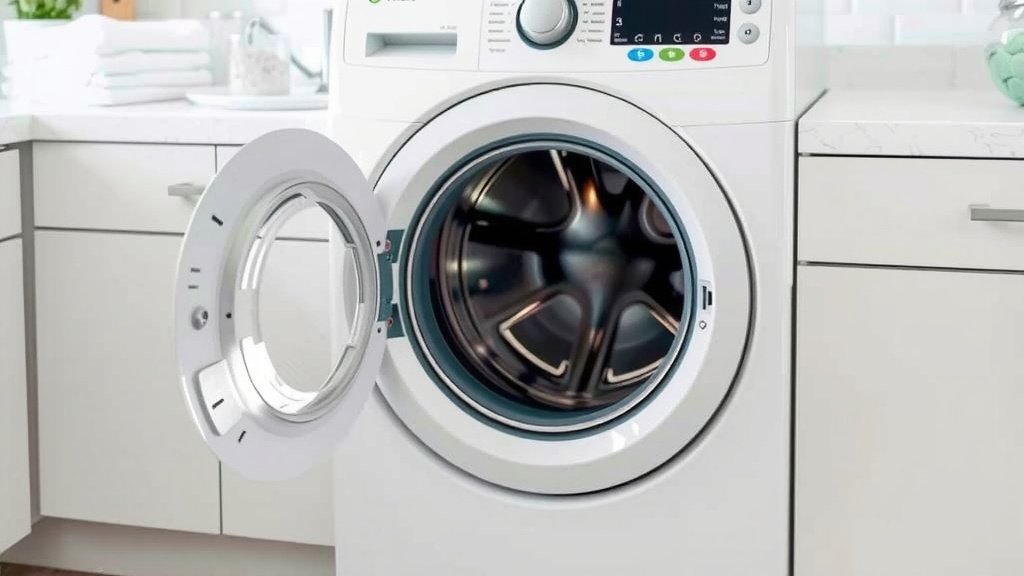
That stylish front door adds to the overall depth. When closed, it sits flush or slightly proud of the cabinet. But when you open it to load or unload clothes, it swings outward. You need to account for this swing. It must not hit walls, cabinets, or other appliances. This is a common oversight. We’ve seen many laundry rooms where the door barely clears the hallway.
Back Attachments and Plumbing
Don’t forget the back! Water inlet hoses and drain hoses connect here. Some models also have power cords that extend. These can add a few inches to the overall depth. Especially if your washer is pushed right up against the wall. We recommend leaving a small gap for these connections. This prevents kinking or damage to hoses. It also makes maintenance easier.
Typical Depth Ranges for Front Load Washers
So, how deep are we talking? Based on current market research, most front load washers fall into a predictable range. This helps you visualize the space needed. Think of it as fitting a stylish new appliance into your home.
Standard Models
For the majority of front load washers, the depth typically ranges from 28 to 34 inches. This includes the door and any protruding parts. This is the most common size you’ll find. It’s designed to fit into standard laundry room setups. Many people find this size works well for them.
Compact or Apartment-Sized Models
If you have a smaller space, like an apartment or a tight alcove, you might look at compact models. These are designed to be shallower. Their depth can be around 24 to 27 inches. This is a significant difference. It allows them to fit into more confined areas. But remember, these might have a smaller capacity. Always check the specifications carefully.
Larger Capacity or “Smart” Models
On the other hand, some high-capacity or feature-rich models can be a bit deeper. They might push closer to the 34-inch mark or even slightly more. These often have larger drums for bigger loads. Or they might house advanced technology. If you’re eyeing one of these, double-check its dimensions. You want it to fit perfectly.
Measuring Your Laundry Space for Depth
Now, let’s talk about how you can measure your own laundry space. This is where you become the expert installer! Taking accurate measurements ensures a smooth fit. It prevents that “oops” moment after delivery.
Where to Measure
You need to measure the available depth from the wall to the point where you want the machine to end. Consider where your doors are. Are there any cabinets or other obstacles? You need to measure the clear space.
Measuring from the Wall to Obstructions
Start at the wall where the washer will sit. Measure straight out into the room. Note any obstructions like countertops, shelves, or doors. This gives you your maximum available depth. It’s like plotting out the perfect spot for your new appliance.
Accounting for the Door Swing
This is crucial. How much space does the door need when it opens? You need enough room for the door to open fully. This allows you to load and unload laundry easily. You also need space to add detergent. A good rule of thumb is to add at least 12-18 inches to the washer’s depth. This accounts for the door swing. Check the manufacturer’s recommendations too.
Considering the Back Clearance
As we mentioned, hoses and connections add depth. It’s wise to leave a few inches of clearance at the back. This protects your plumbing. It also allows for airflow. Some experts recommend at least 2-4 inches. This prevents hoses from being crushed.
A Quick Depth Checklist
To make sure you’ve got it covered, here’s a handy checklist:
- Measure the space from the wall to any obstructions.
- Add space for the front door to swing open fully.
- Include a few inches for rear hose connections.
- Check the washer’s listed depth and compare it to your measurements.
- Ensure there’s enough room to access controls and detergent.
- Can you still walk past the machine comfortably?
Comparing Depths: Front Loaders vs. Top Loaders
It’s often helpful to compare. How does the depth of a front loader stack up against its top-loading counterpart? This can influence your choice.
| Washing Machine Type | Typical Depth (including door/attachments) | Key Considerations |
|---|---|---|
| Front Load Washer | 28-34 inches | Door swing is the main factor; often more energy efficient. |
| Top Load Washer (Agitator) | 27-30 inches | Less concern about door swing; may have a smaller capacity. |
| Top Load Washer (Impeller) | 28-34 inches | Similar depth to front loaders; larger capacity often available. |
Front Loaders: The Space Factor
Front load washers are generally known for their sleek design. They often appear less bulky than older top-loaders. However, their depth, especially with the door, requires careful planning. The door swing is the biggest consideration. If you have a narrow hallway or tight laundry closet, this is key. You might need to orient the door swing. Or ensure there’s ample clearance.
Top Loaders: A Different Footprint
Traditional top-loaders with an agitator can sometimes be slightly shallower. Their lids lift straight up, so there’s no outward swing. This can be an advantage in very tight spots. However, impeller-style top-loaders (the high-efficiency kind) can be just as deep as front loaders. They often offer larger capacities too.
Ultimately, understanding the depth is about maximizing your laundry room’s functionality. It’s about creating a space that works for you. Not one that feels cramped or inconvenient.
Conclusion
Understanding the depth of your front load washer is key to a functional laundry room. Remember, the typical depth ranges from 28 to 34 inches, but this often includes the door and back connections. Always account for the door swing and any necessary clearance at the back. By carefully measuring your space and comparing it to manufacturer specs, you’ll ensure your new machine fits perfectly. Take these measurements before you buy. This simple step prevents headaches and makes your laundry routine smoother.
Frequently Asked Questions
Can I push my front load washer all the way against the wall?
It’s generally not recommended to push your front load washer completely flush against the wall. The hoses for water intake and drainage, as well as the power cord, typically extend from the back. Pushing the machine too close can kink these hoses or damage the connections, potentially leading to leaks or other issues.
How much space do I really need for the door to open?
You’ll need enough space for the door to swing open wide enough for you to comfortably load and unload laundry, and add detergent. We found that adding at least 12 to 18 inches to the washer’s depth measurement is a good rule of thumb. Always check the specific model’s requirements, as some doors may swing wider than others.
Are compact front load washers shallower?
Yes, compact or apartment-sized front load washers are designed to be shallower. While standard models are often 28-34 inches deep, compact versions can range from about 24 to 27 inches deep. These are ideal for smaller spaces but may come with a reduced drum capacity.
Do smart features make a front load washer deeper?
Sometimes, larger capacity or “smart” models can be slightly deeper, pushing towards the upper end of the typical 34-inch range or even a bit more. These machines often have larger drums to hold more clothes or house advanced technology. It’s always a good idea to check the exact specifications for any model you’re interested in.
Should I measure my existing washer’s depth?
Measuring your current washer’s depth can be a helpful starting point, but don’t rely on it solely for a new purchase. The depth measurement usually includes the door and any protruding back components. Your old machine might have a slightly different design. It’s best to measure your available space and compare it to the new washer’s listed dimensions.
![7 The Best Stackable Washer Dryer [In 2026]](https://homeunderstandable.com/wp-content/uploads/2026/09/7-the-best-stackable-washer-dryer-in-2026-featured-768x432.jpg)
![7 Best Compact Stackable Washer Dryer Combo [In 2026]](https://homeunderstandable.com/wp-content/uploads/2026/09/7-best-compact-stackable-washer-dryer-combo-in-2026-featured-768x432.jpg)
![7 Best Washing Machine For One Person [In 2026]](https://homeunderstandable.com/wp-content/uploads/2026/08/7-best-washing-machine-for-one-person-in-2026-featured-768x432.jpg)